
A Second Paris Trip: Trading Bucket Lists for Snapworthy Moments
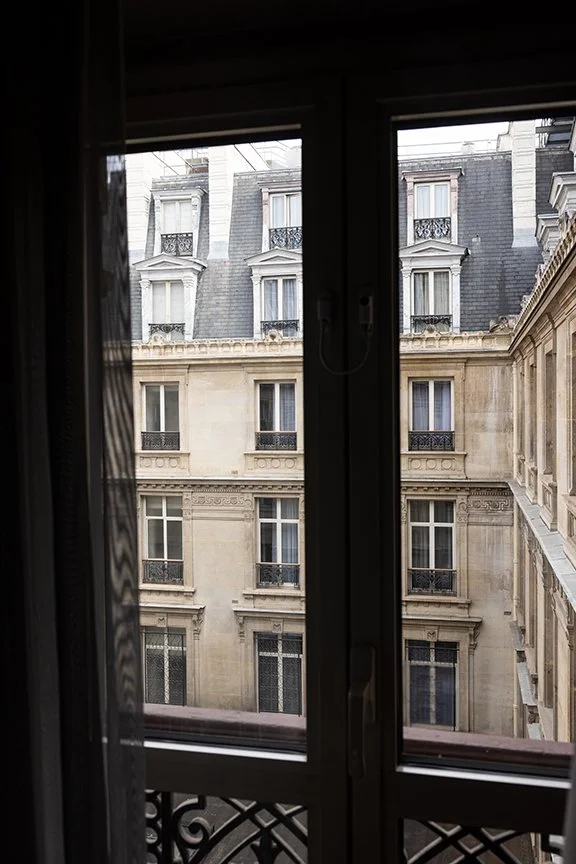
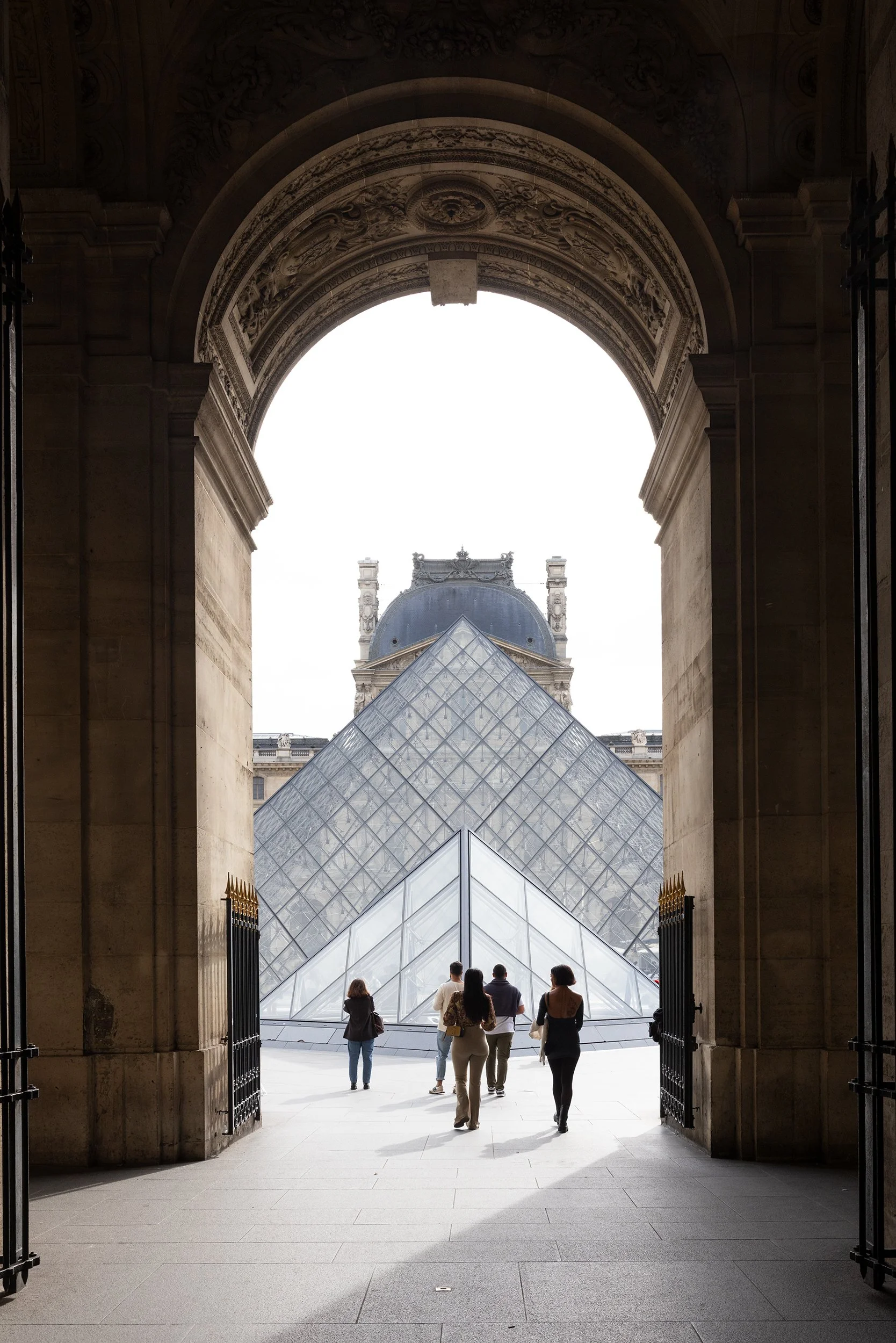
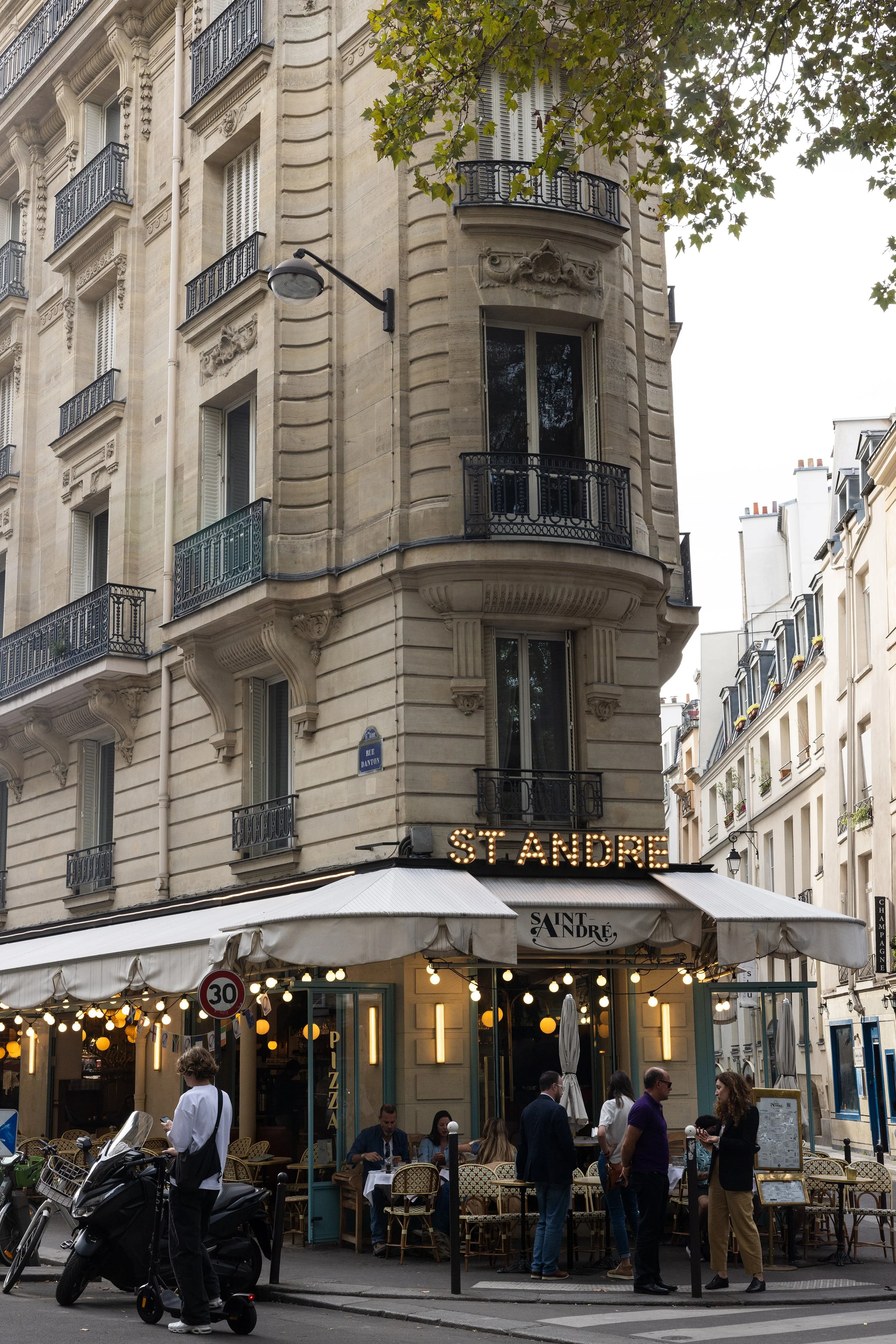
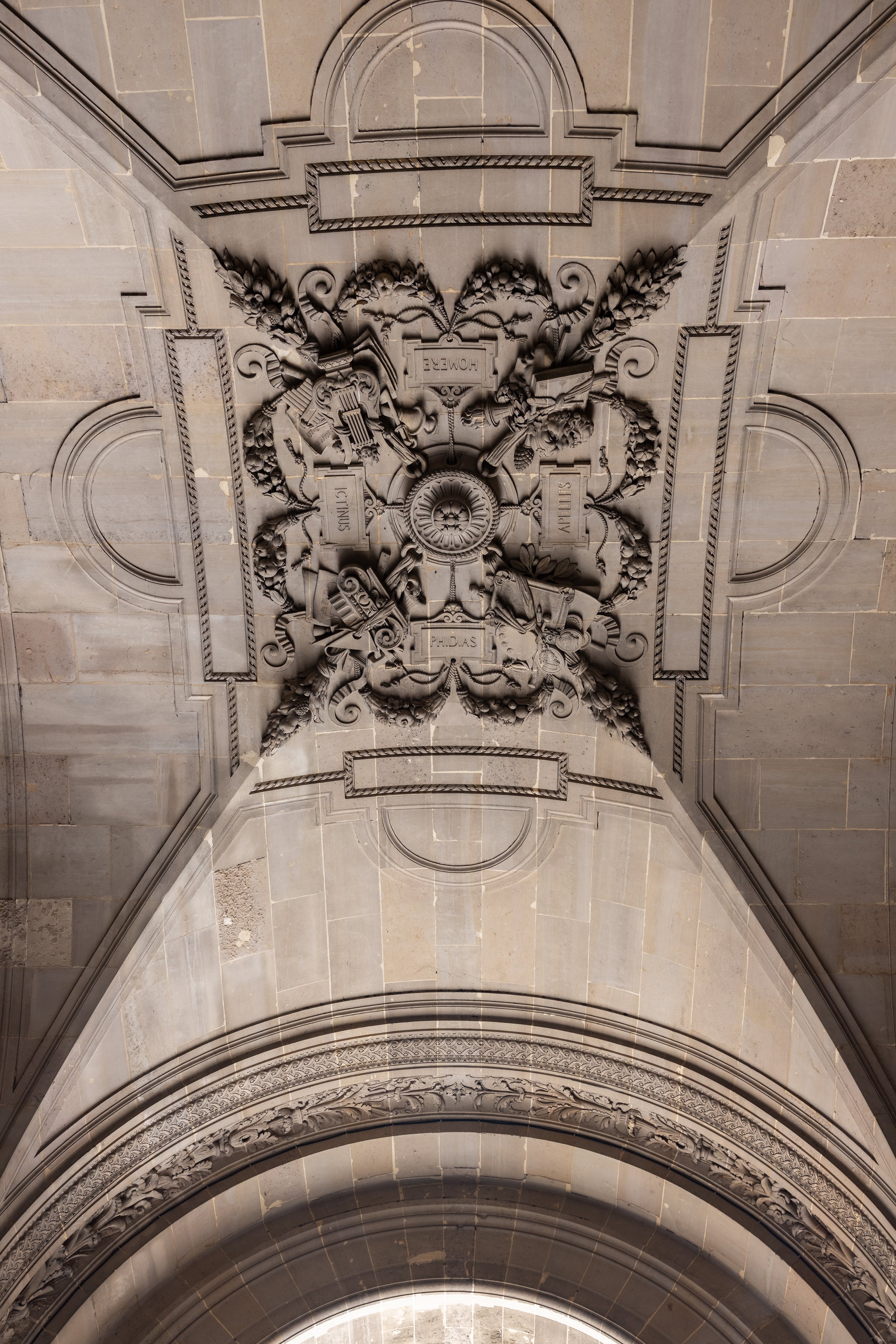
1. The Westin Vendome | 2. Passage Richelieu at the Louvre Museum | 3. Le-Saint-André on Rue Danton | 4. Ceiling of the three bayed porch of the Basilique du Sacré Coeur in Montmartre
Disclosure: This post may contain affiliate links. That means if you buy something following a link from this page, we’ll receive a small commission at no cost to you. We only promote products and services that we truly believe in.
I'd visited Paris before and loved it, so years later, when I found a first-class JetBlue seat on sale while planning a solo trip, I decided it was time to return to the City of Light. Paris remains one of the world's most magical cities, where centuries of art, architecture, and culture create an atmosphere unlike anywhere else - yes, it's crowded with tourists at major sites and you need to stay alert for pickpockets, but these realities don't diminish the genuine wonder of strolling along the Seine, stumbling upon a charming café on a quiet side street, or standing before masterpieces that have inspired millions. The key is embracing Paris with both eyes open: take sensible precautions, and you'll discover that beneath the tourist hustle lies a city that truly lives up to its reputation.
But what to do on a second visit? I wanted to revisit favorite sights while discovering new spots, and since I was traveling solo, I kept my itinerary flexible with no firm plans beyond a side trip to Strasbourg. I really wanted to center my visit around visiting photogenic locations and seeing Paris with an artistic eye rather than just ticking off the box of major attractions.
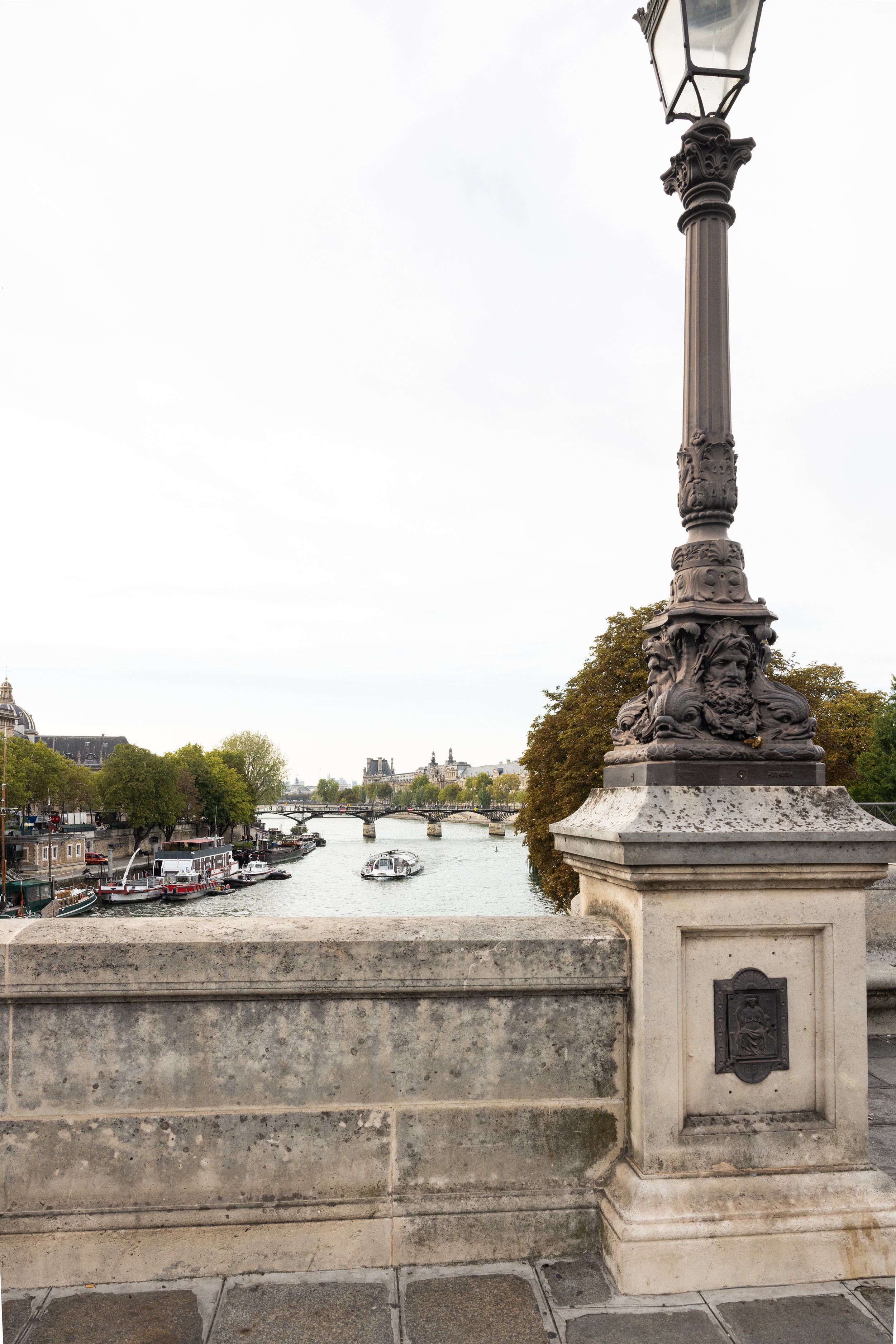
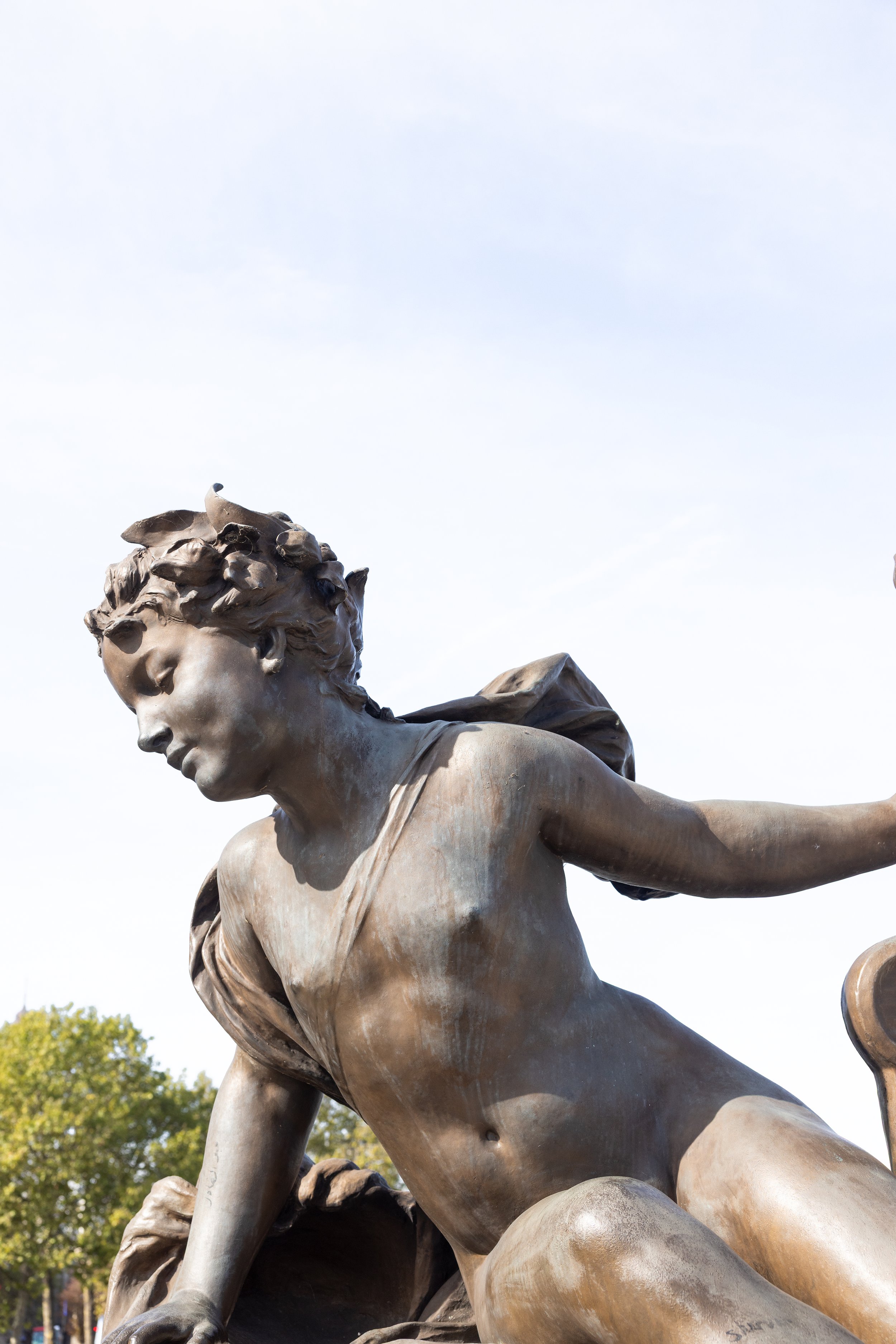
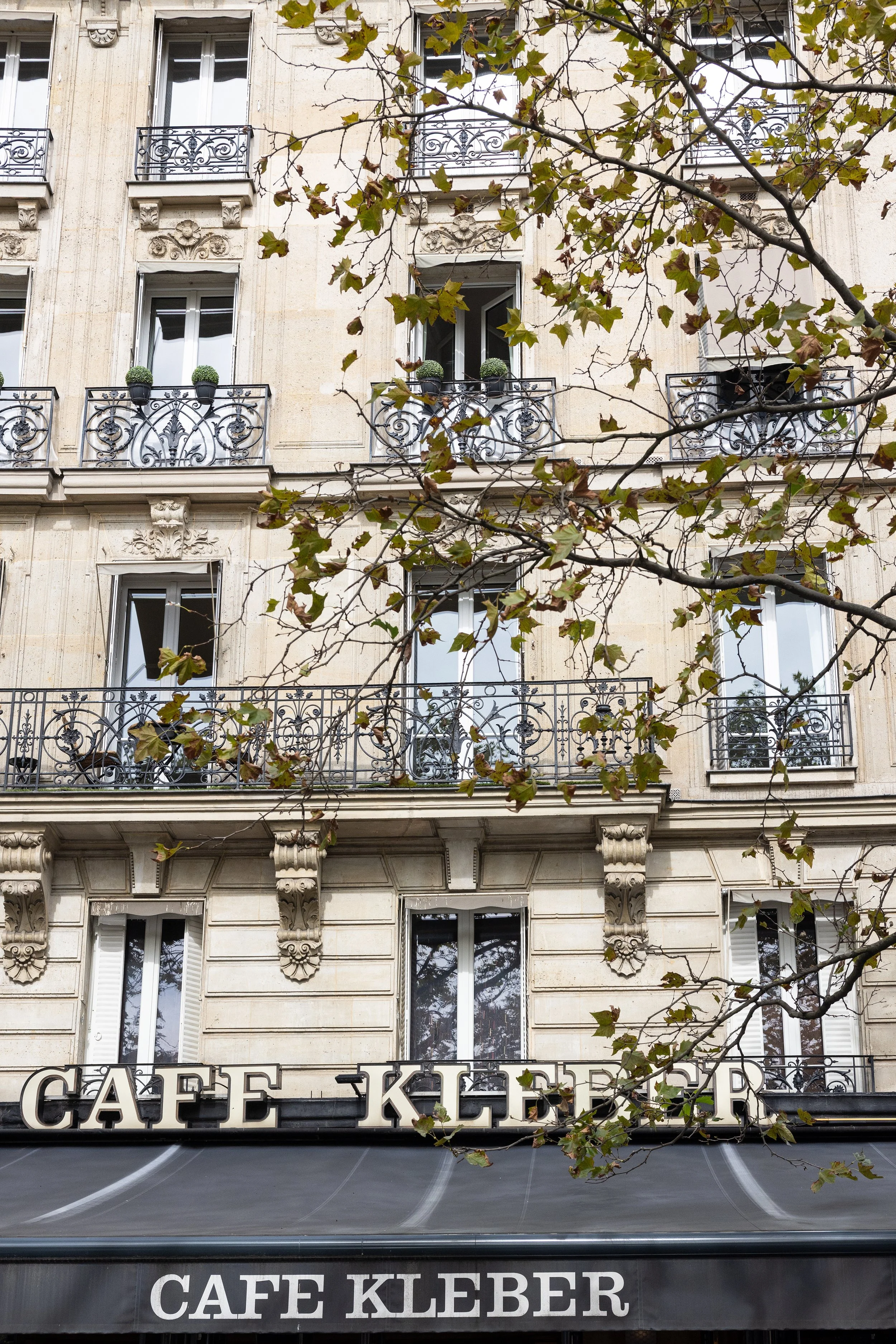
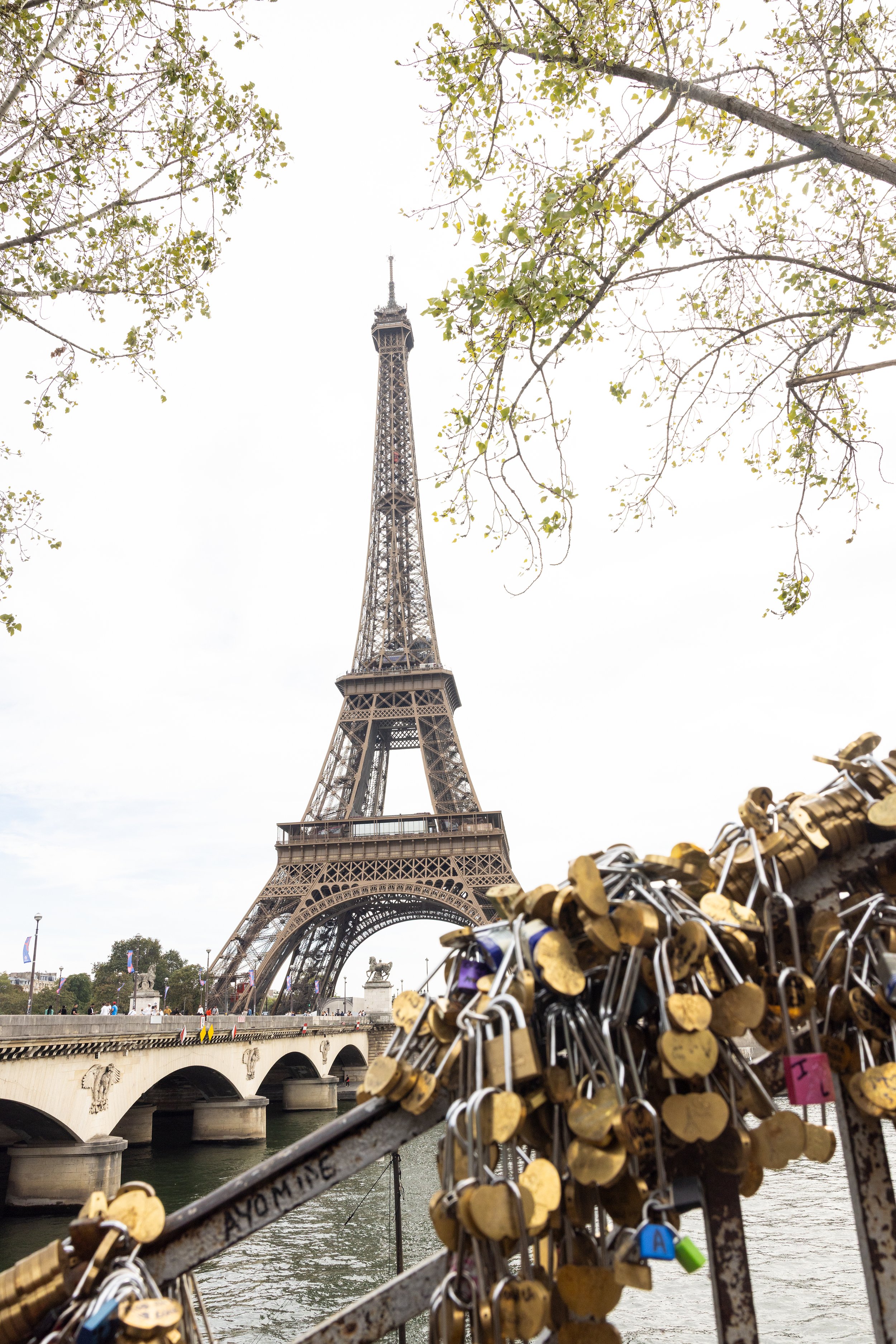
1. Pont Neuf | 2. Sculpture on the Pont Alexandre III bridge | 3. Café Kléber at place du Trocadéro | 4. Love locks alongside the Pont d’léna bridge
I arrived early, around 6 am, breezed through immigration and customs, collected my luggage, and grabbed a cab to the Vendome area, eager to start my Paris adventure - except I hadn't accounted for rush hour traffic. If you're traveling in or out of Paris during peak hours, take the metro rather than a taxi; while I'd wanted to avoid hauling my luggage underground, I hadn't expected a three-hour crawl from Charles de Gaulle.
When I finally reached my hotel, more delays awaited - my room was "almost ready," so, hoping for a quick shower, I decided to wait. That optimistic assessment turned into me nodding off in the lobby as time dragged on. Eventually checked in, showered, and refreshed, I was finally ready to explore, though much later than planned. I decided to stick close to the Vendôme area for sightseeing since the morning had flown by.
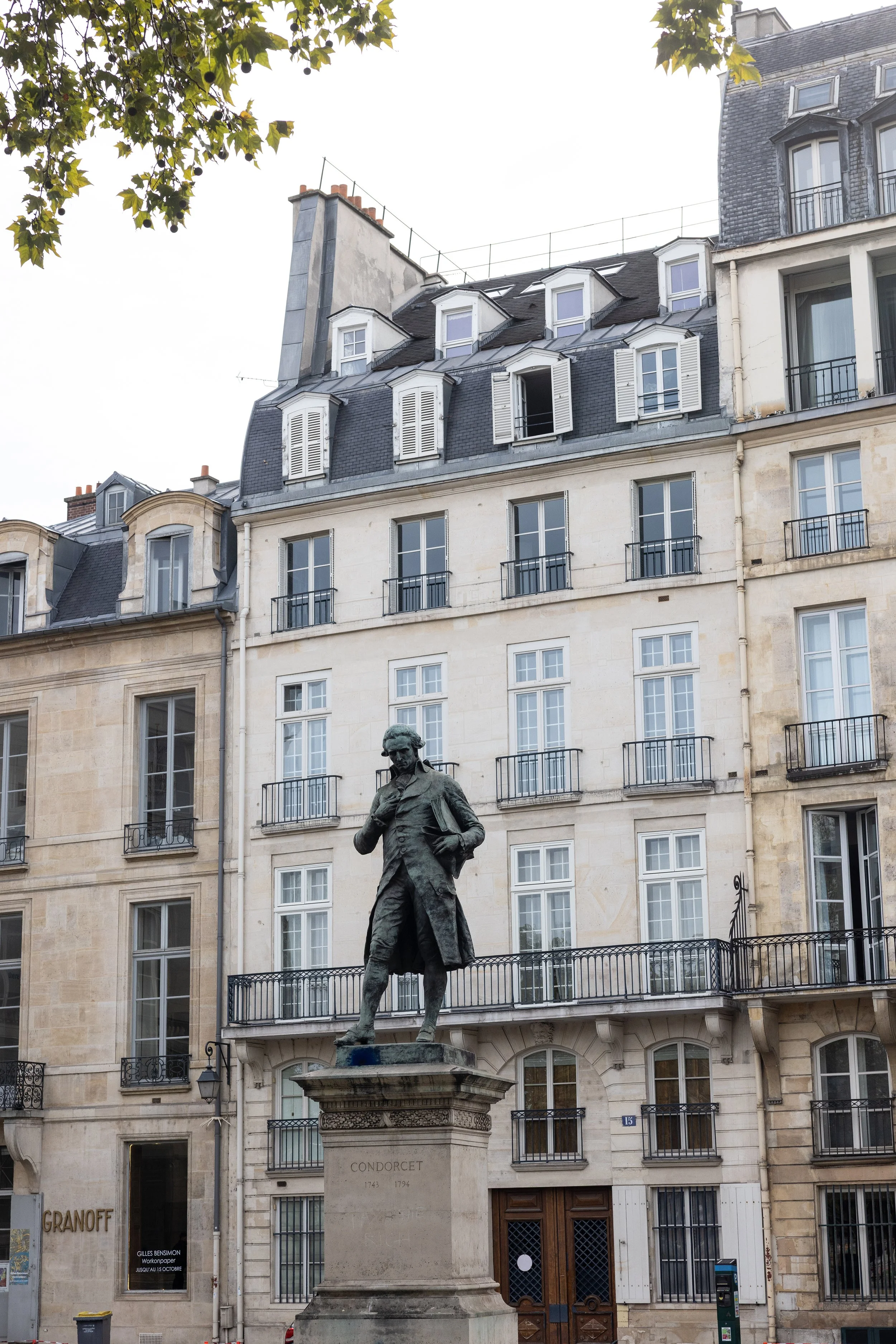
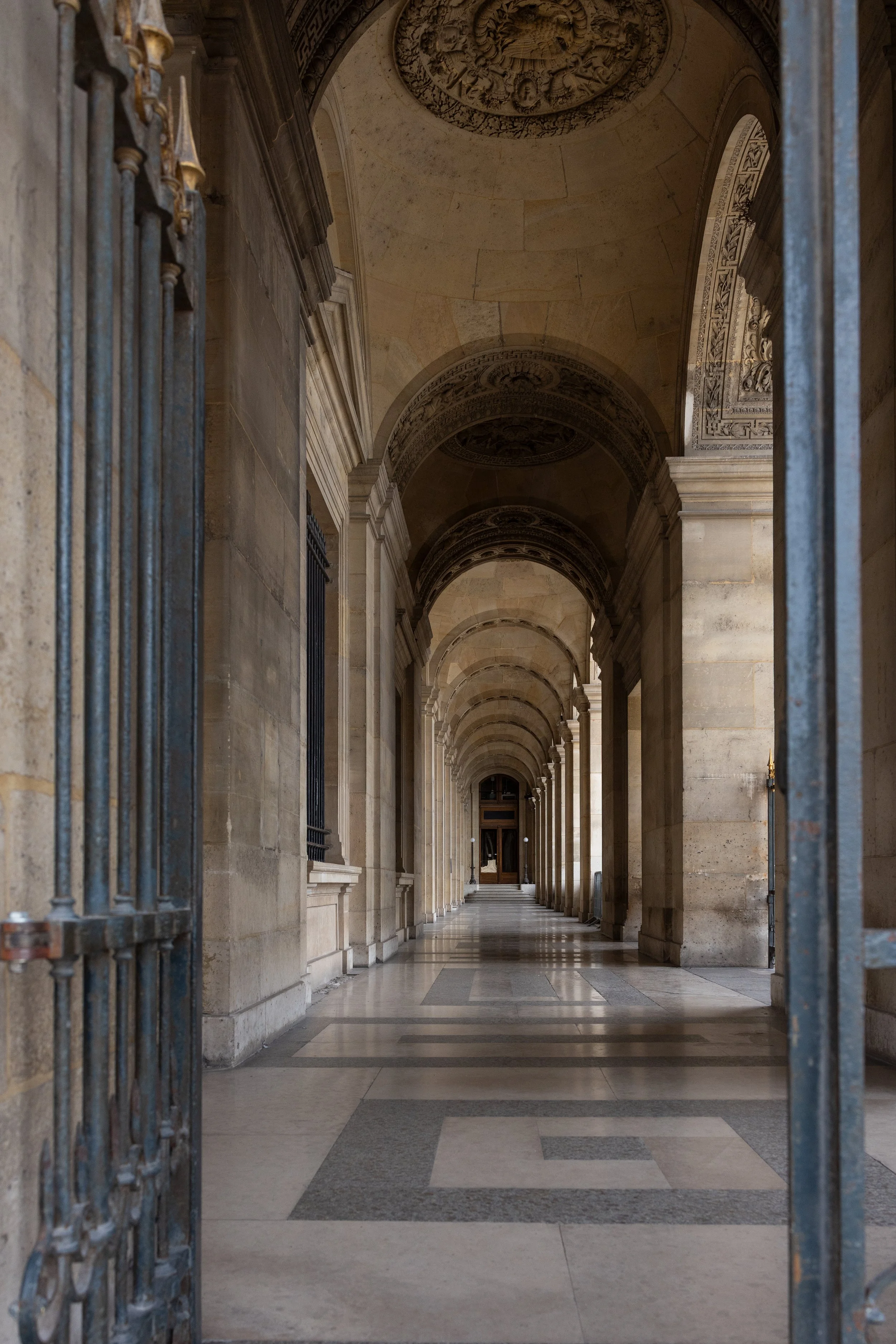
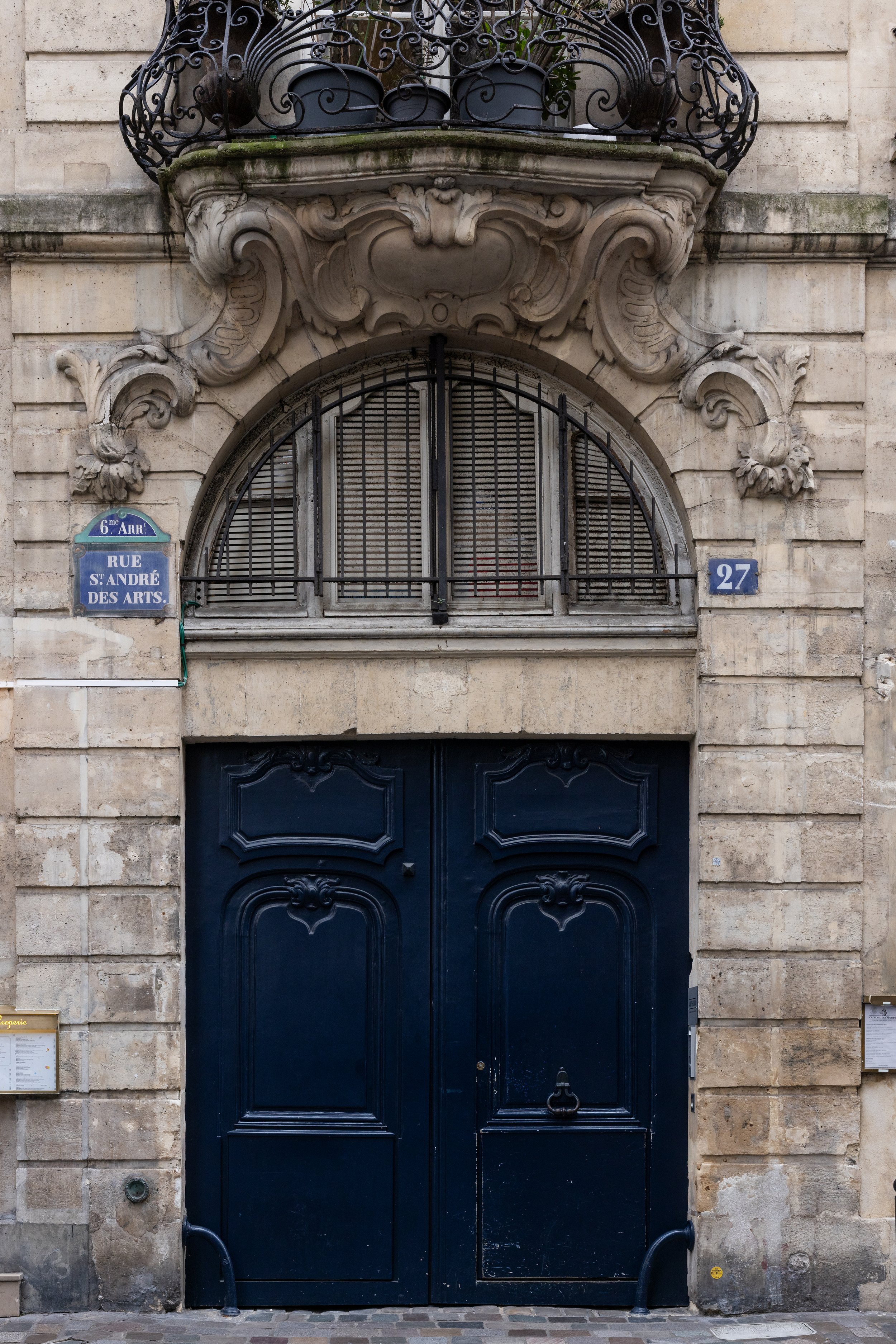
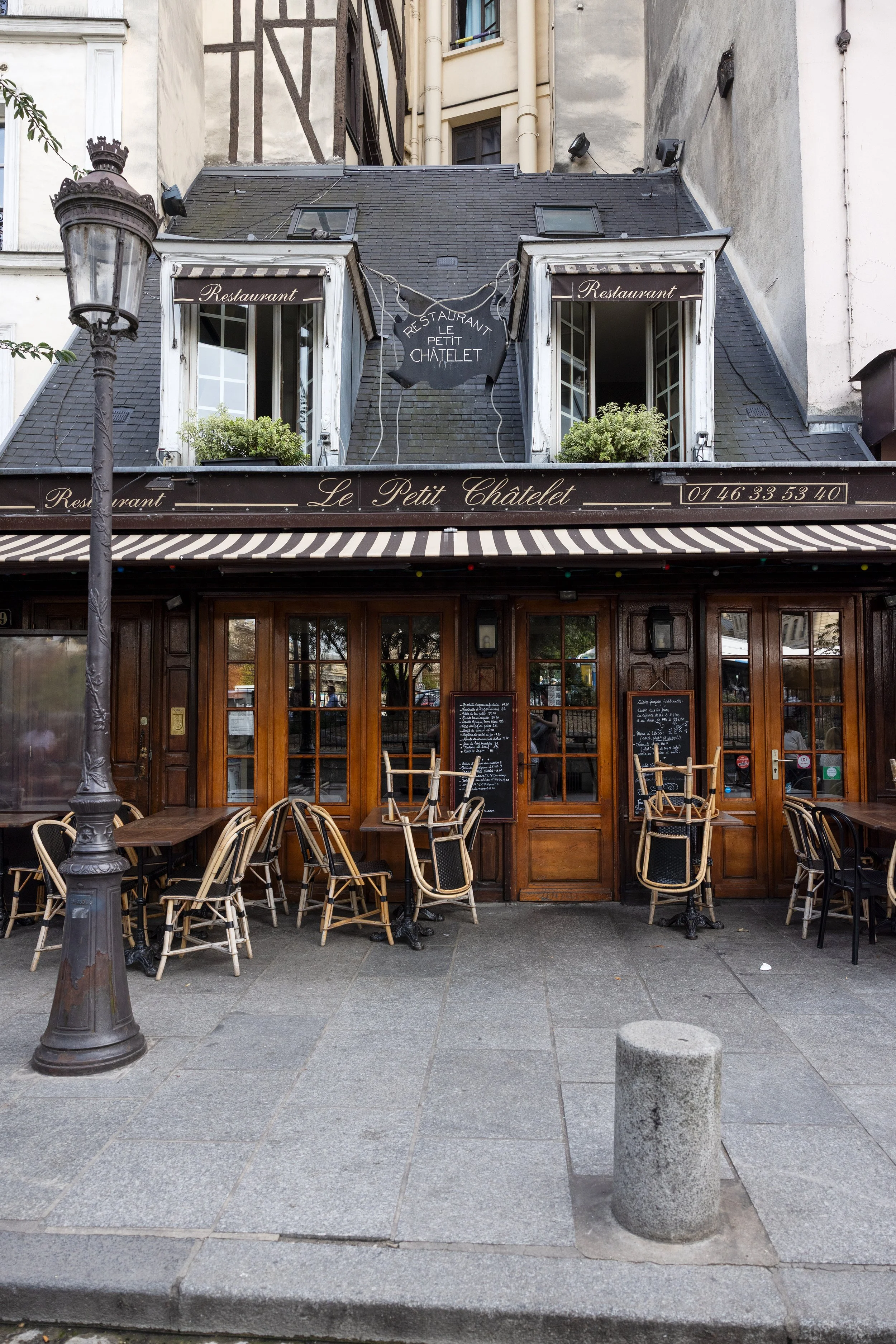
1. Statue of Condorcet on Quai de Conti | 2. Passageway at the Louvre Museum | 3. Door on Rue Saint André des Arts | 4. Le Petit Châtelet on Rue de la Bûcherie, next to the Shakespeare and Co bookstore.
I knew Paris Fashion Week was happening, but I had no real expectations of what that entailed. Barricades lined every street, tents occupied every park, and crowds surged at every turn. The city had transformed into a chaotic runway. And then, to cap it all off, I stepped into a hole on a pebble path outside the Louvre and took a tumble.
So there I was - jet-lagged, bruised, and covered in Parisian gravel - wondering if this was some kind of cosmic hazing ritual. But this was Paris, after all, and if you're going to have a disaster of a first day anywhere, it might as well be here.
My Paris trip was off to a rocky start - quite literally. Was I crazy to think I could navigate Paris solo? In hindsight, absolutely not. I had a wonderful time, explored countless sights, and relished the freedom of wandering without an itinerary. So what's worth seeing in Paris on a return visit?
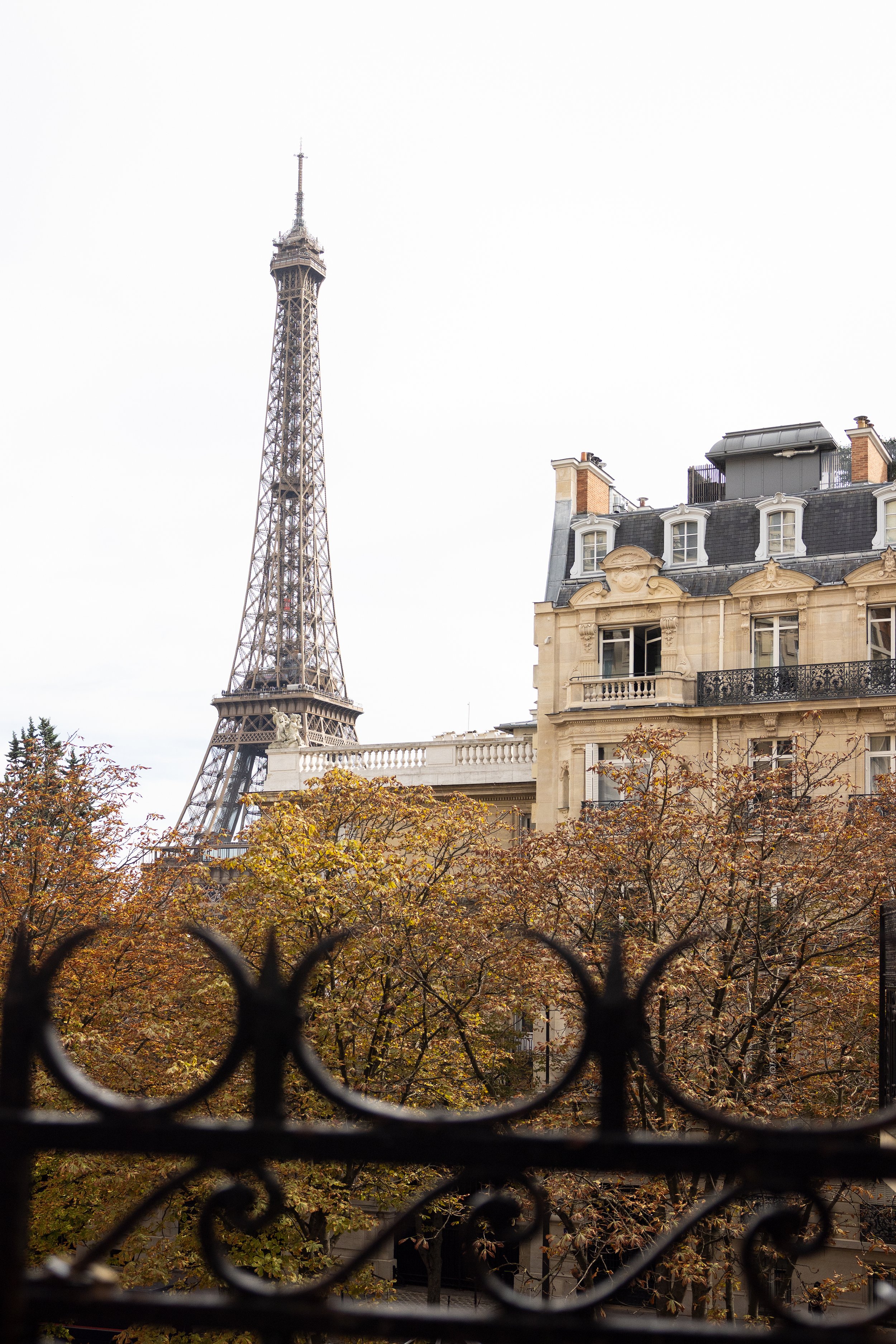
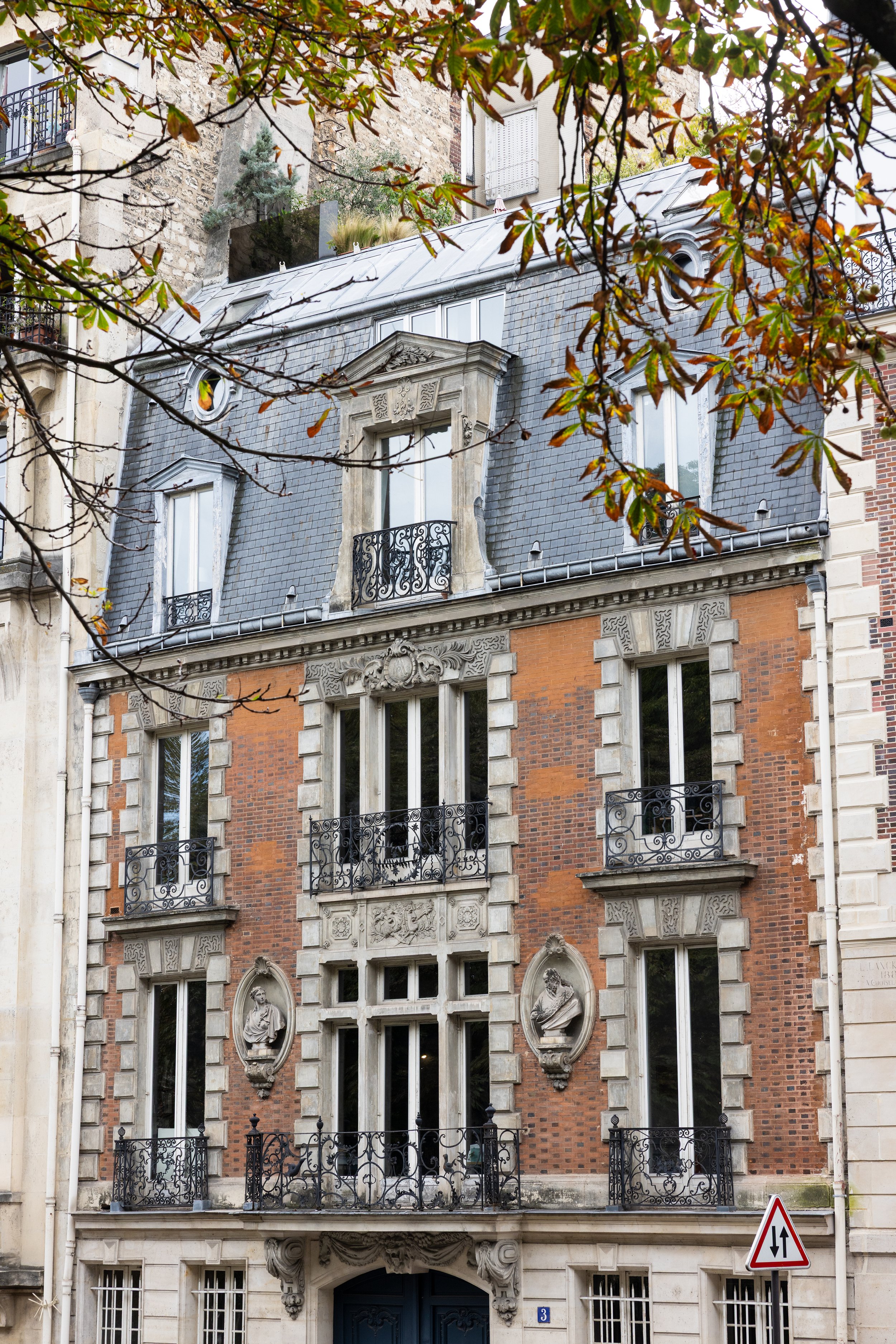
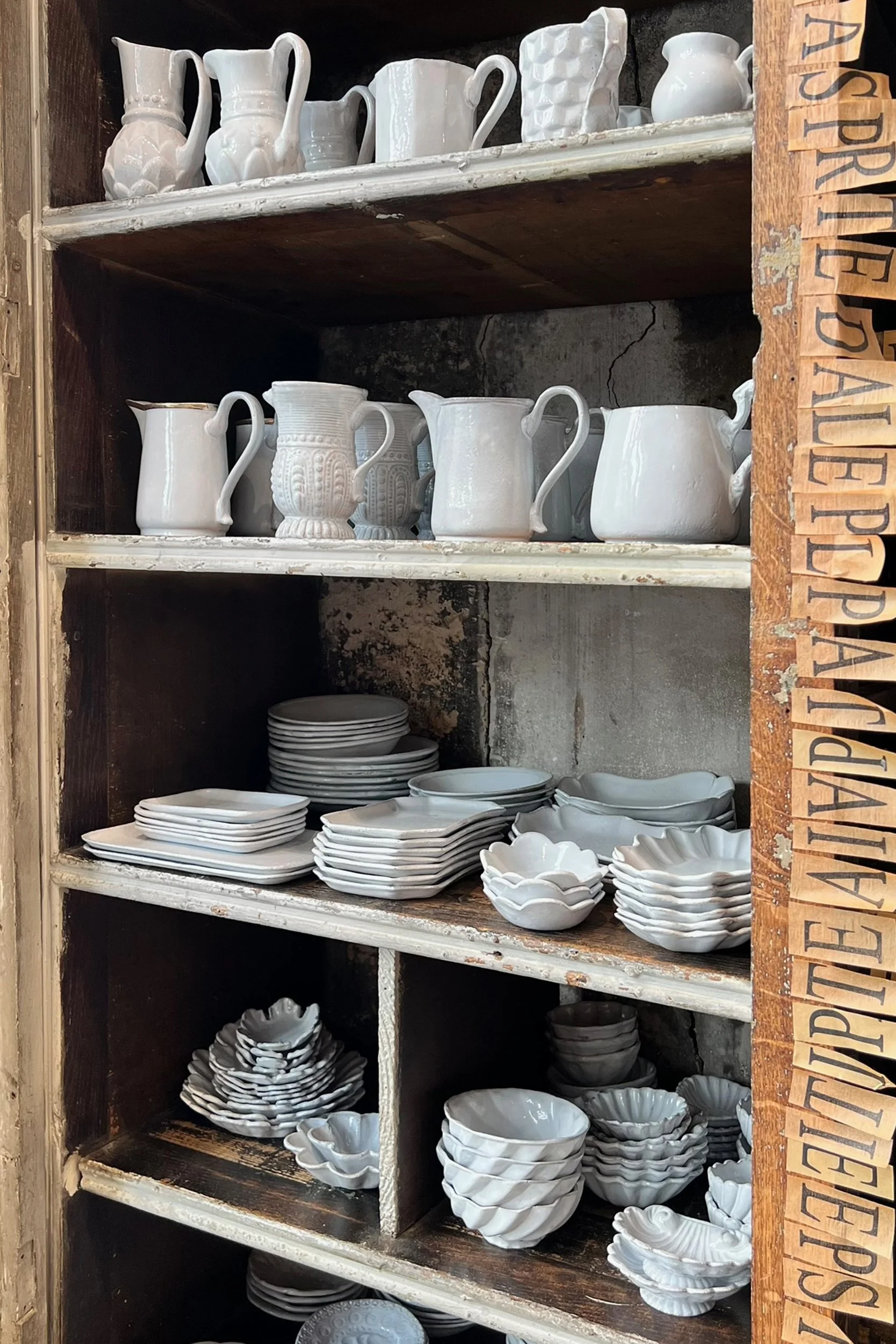
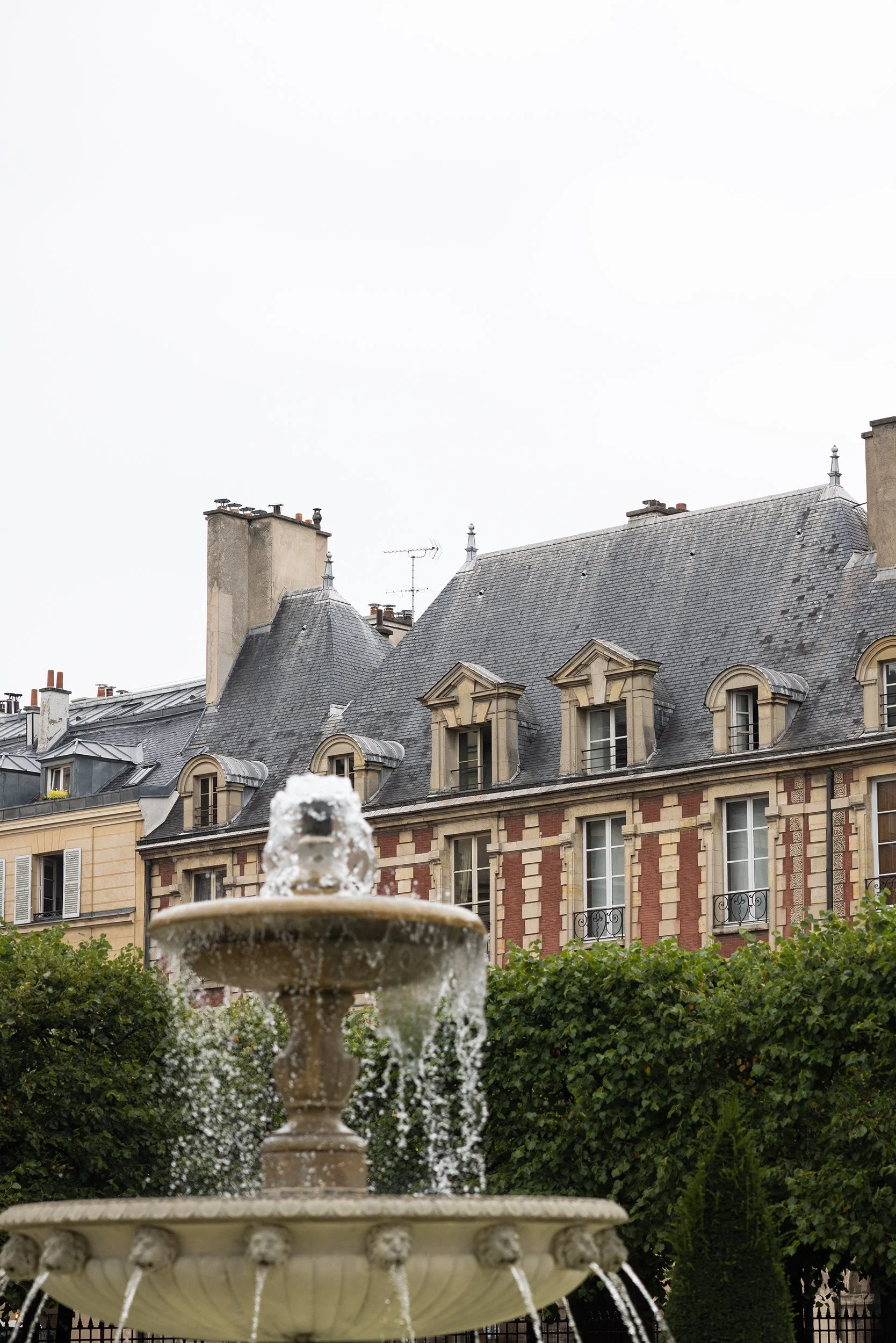
1. View from the Avenue de Camoëns viewpoint | 2. La maison de Mademoiselle Agar on Rue Le Nôtre | 3. Display at Astier de Villatte, an artisanal ceramics workshop - photo by Laura Woodard | 4. Fountain at Place des Vosges in the Marais - photo by Laura Woodard
PALAIS-ROYAL MUSÉE DU LOUVRE (THE LOUVRE)
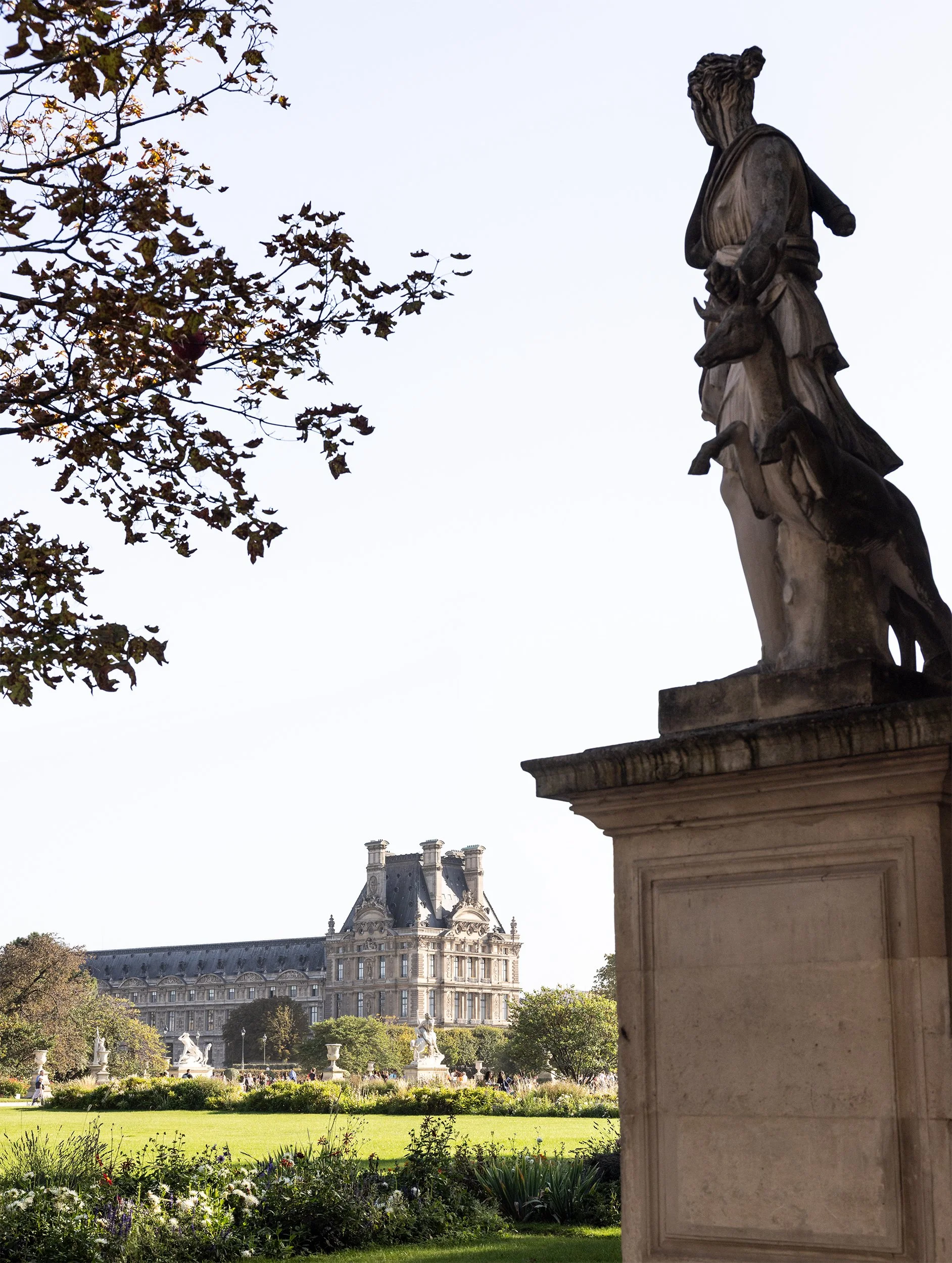
Having explored the museum on my first visit, I opted to simply wander the grounds this time. The Louvre's expansive outdoor grounds are a destination in themselves, where visitors stroll through the elegant Jardin des Tuileries, admire I.M. Pei's iconic glass pyramid rising from the Cour Napoléon, and discover sculptural fountains and tree-lined pathways that frame the palace's stunning Renaissance and Classical facades - offering both grand architectural vistas and peaceful garden retreats in the heart of Paris.
The Louvre's glass pyramid has become one of the most photographed spots in Paris, mobbed by influencers angling for the perfect shot. The courtyard can feel more like a photoshoot than a museum entrance, so patience is required if photographing the grounds is your goal.
PHOTO LOCATIONS
There are two corridors that offer framed views of the pyramid. The first is the Passage Richelieu, which is in the Richelieu Wing. This passage is accessible from Rue de Rivoli and cuts through the Richelieu Wing to the pyramid courtyard. The second passage is directly across in the Denon Wing. This map of the Louvre shows the Richelieu entrance - the Denon passage is directly across, with the pyramid in between.
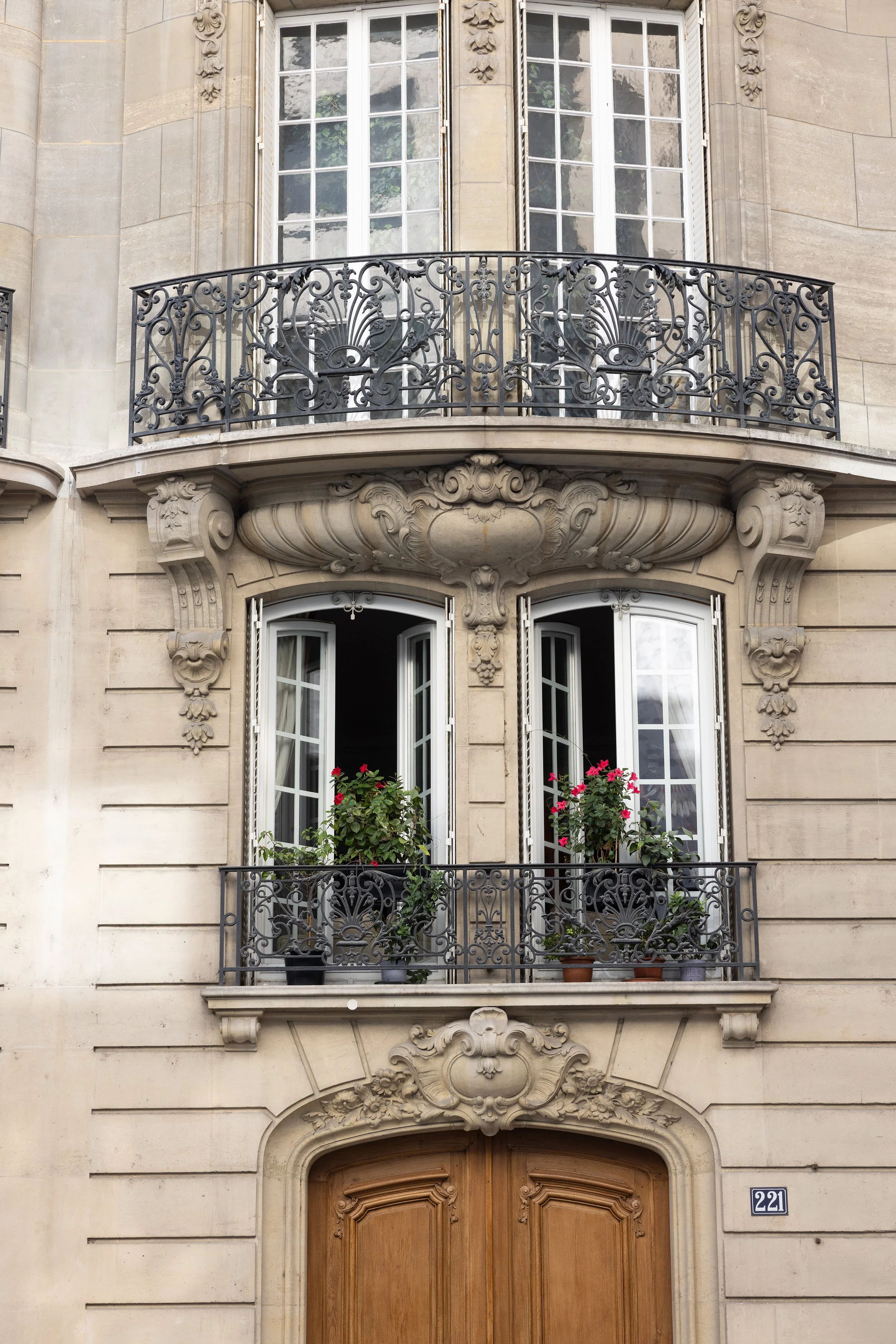
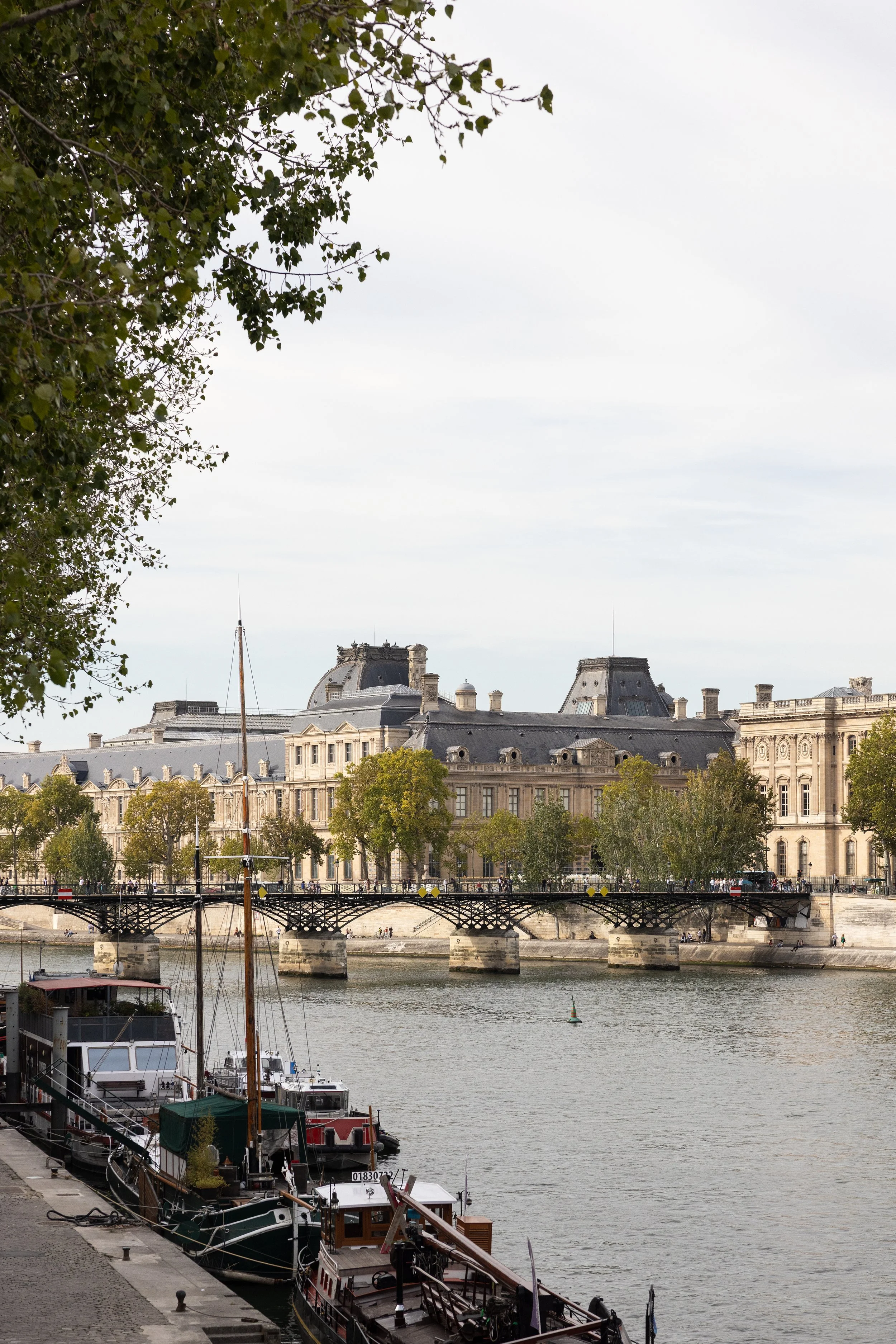
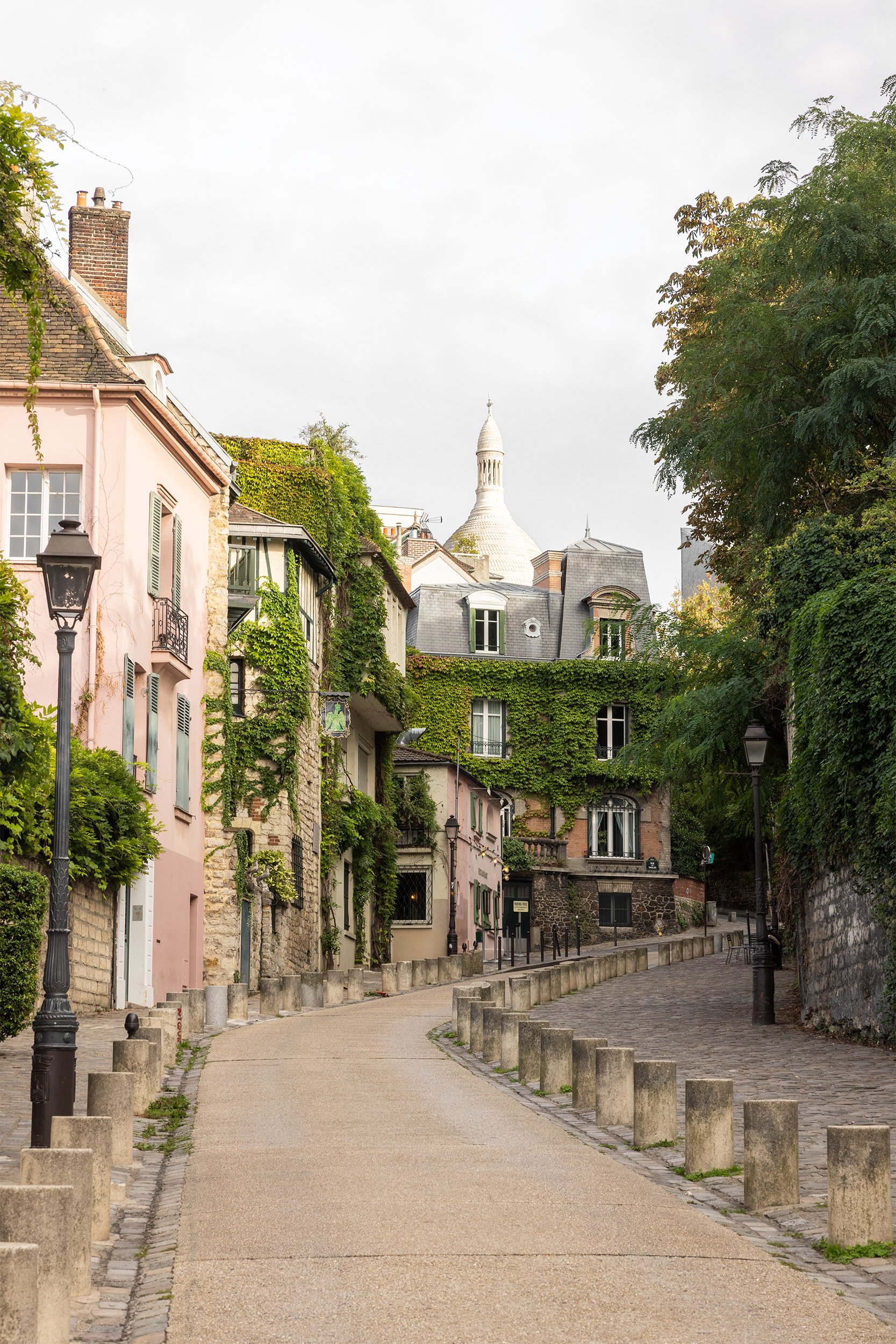
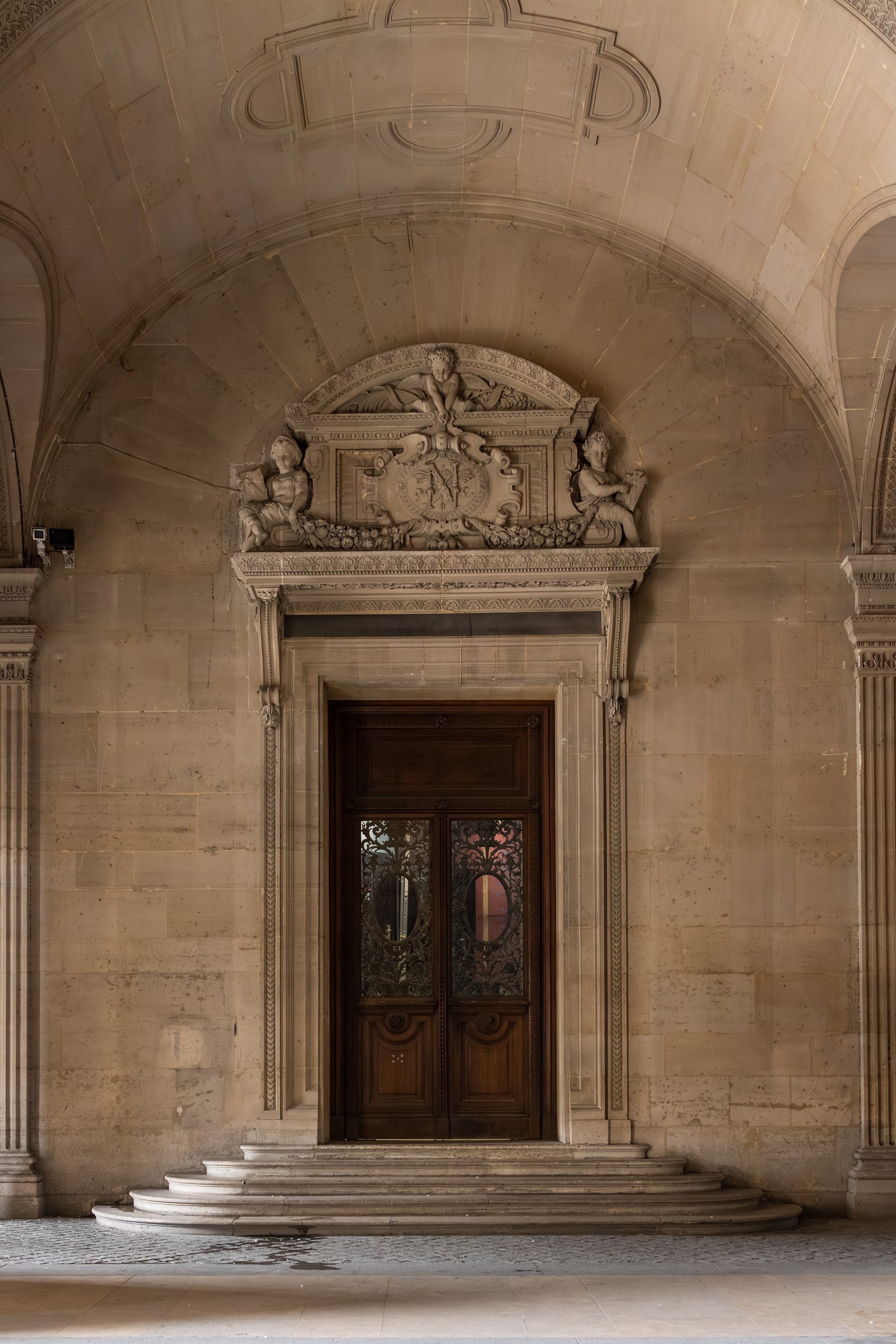
1. Balconies on Rue de l'Université | 2. The Louvre Museum as seen from the Banks of the Seine | 3. Rue de l'Abreuvoir in Montmartre | 4. Doorway in Passage Richelieu at the Louvre Museum
PARIS'S BRIDGES
Paris's bridges are architectural landmarks in their own right, each offering distinct character and photo opportunities. Rather than heading straight to the Eiffel Tower, I made my way there via several of these iconic crossings, turning the journey itself into a photography walk along the Seine.
PONT ALEXANDRE III
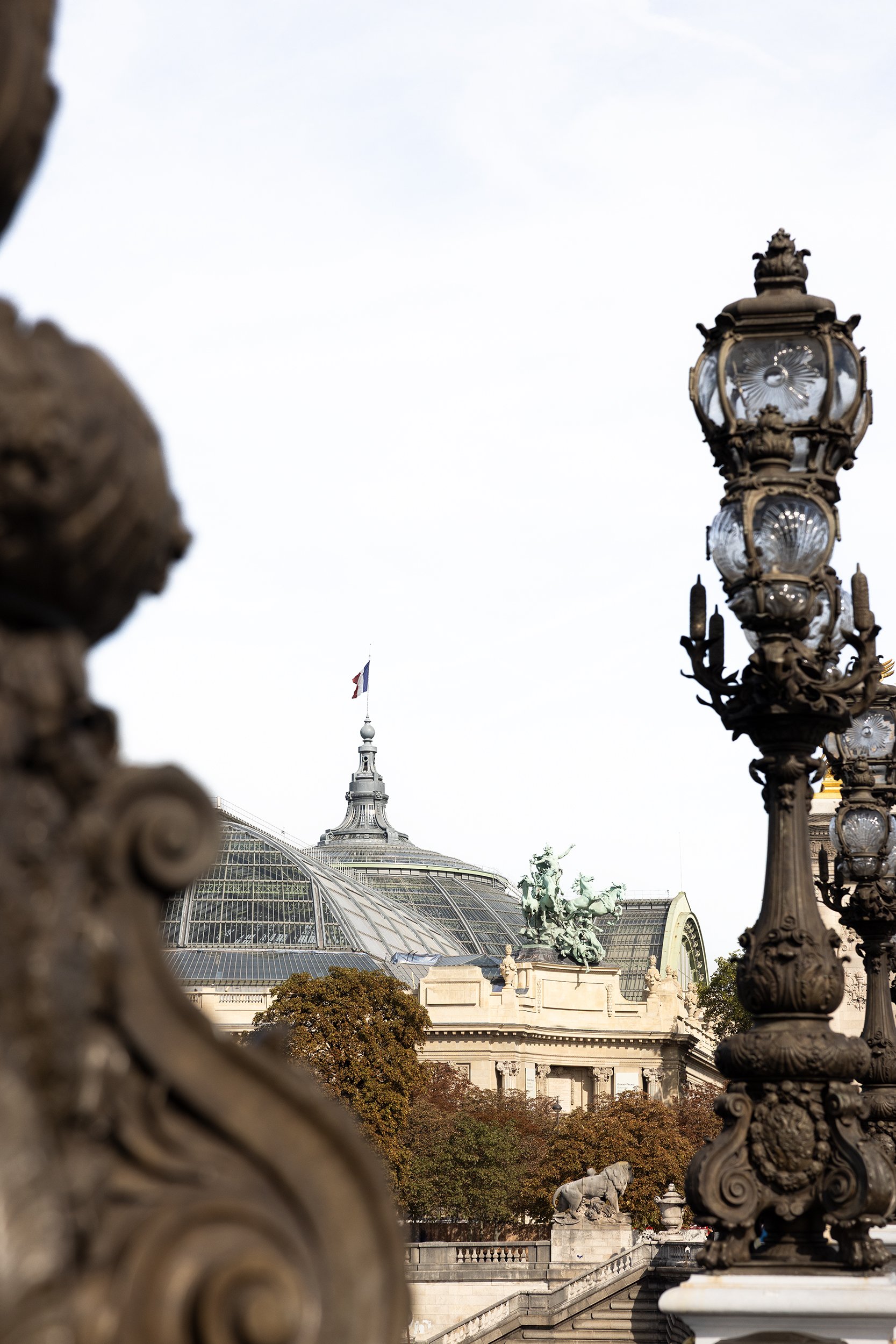
The ornate Pont Alexandre III, with its gilded sculptures and Art Nouveau lamps, is perhaps the most photogenic, providing stunning views toward the Eiffel Tower and Les Invalides.
PONT DES ARTS
The Pont des Arts, once famous for its love locks, remains a favorite for capturing classic Seine views.
PONT NEUF
The Pont Neuf is considered to be the oldest stone bridge in Paris. Henri IV ordered it to be constructed in 1578.
PONT D’LÉNA
The Pont d'Iéna is a stone bridge built in 1808-1814 under Napoleon, named after his victory at the Battle of Jena. It connects the Eiffel Tower directly to the Trocadéro district, making it the main crossing for visitors moving between these two iconic spots. The bridge has four warrior statues at its corners and offers great views of both the tower and the Seine.
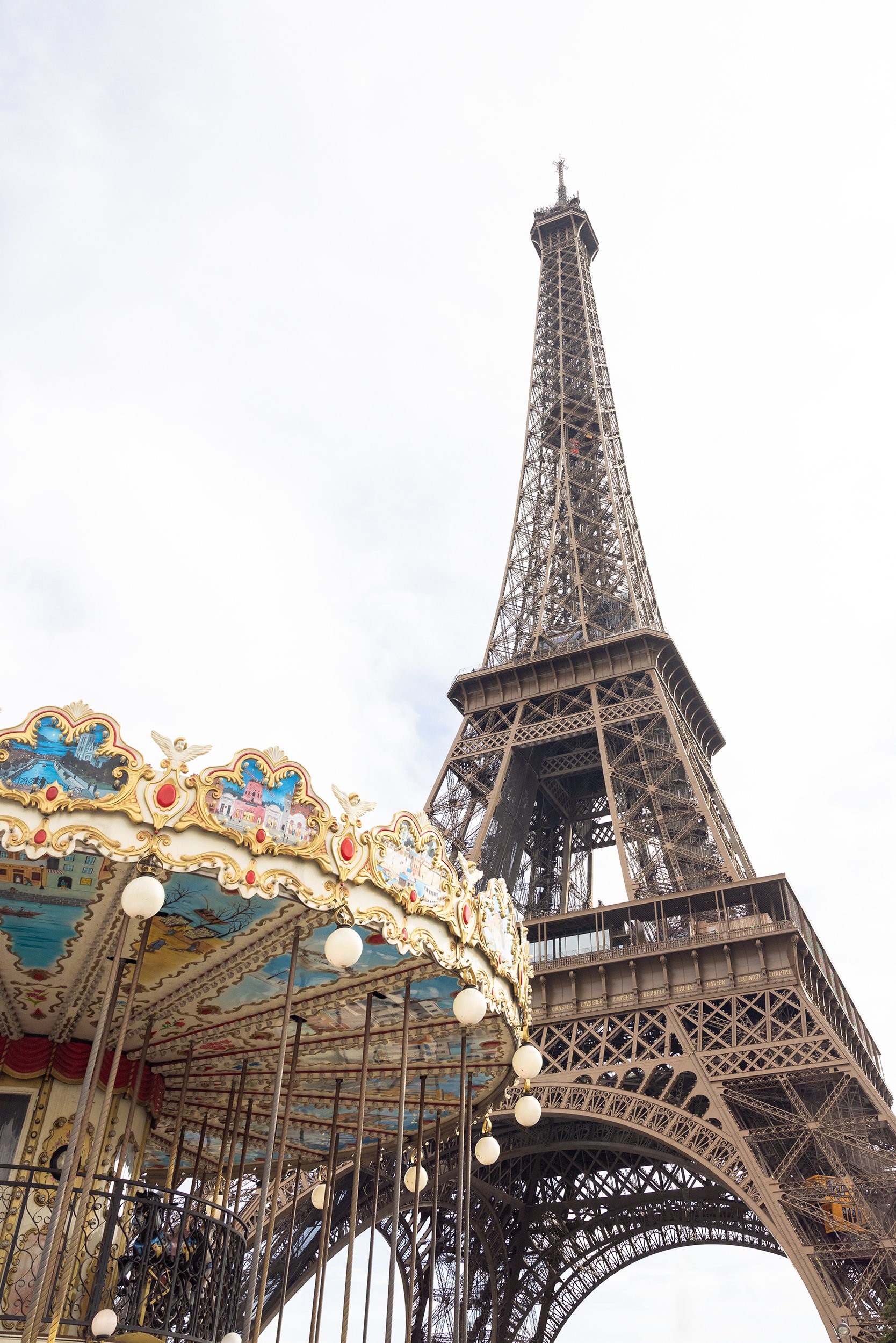
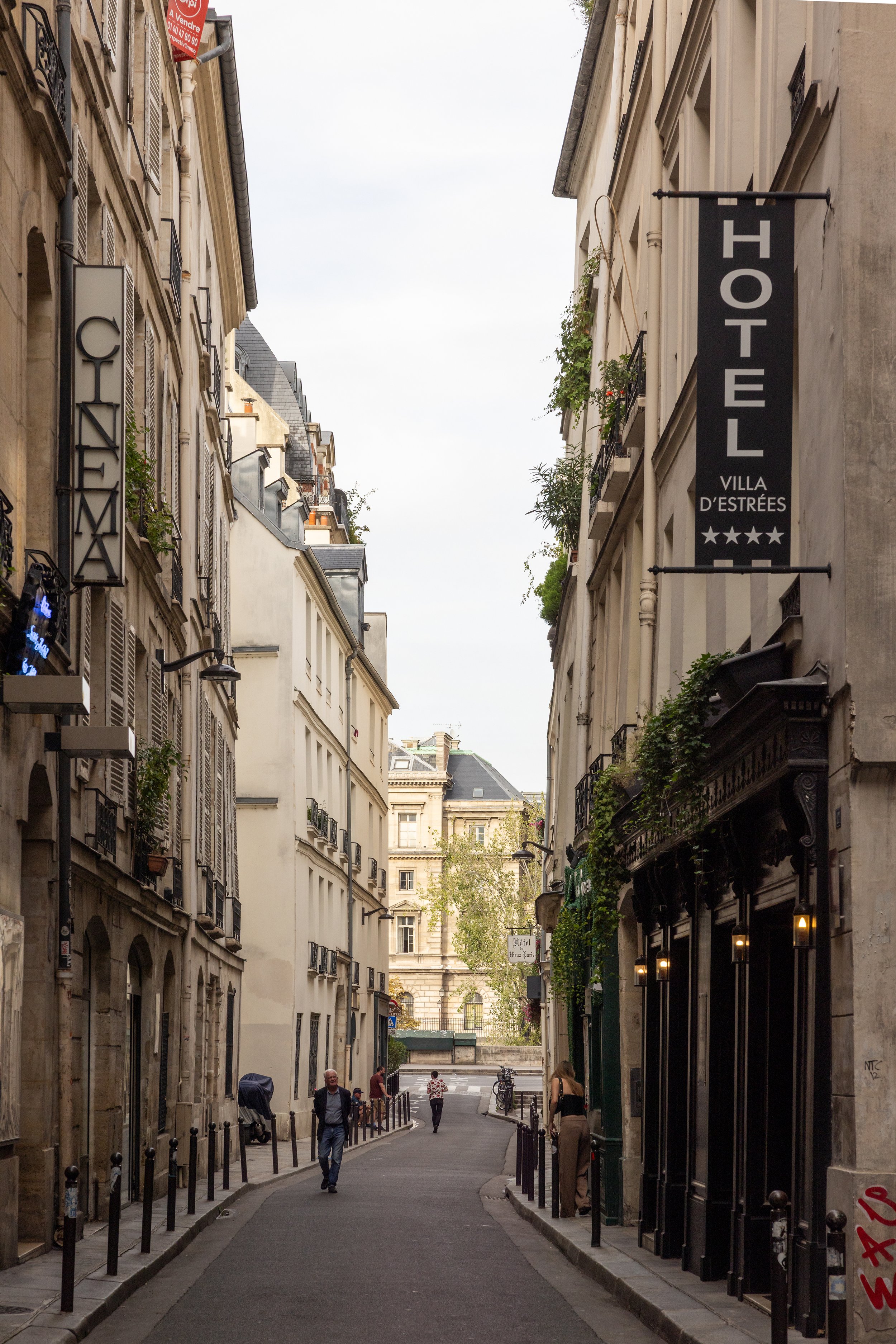
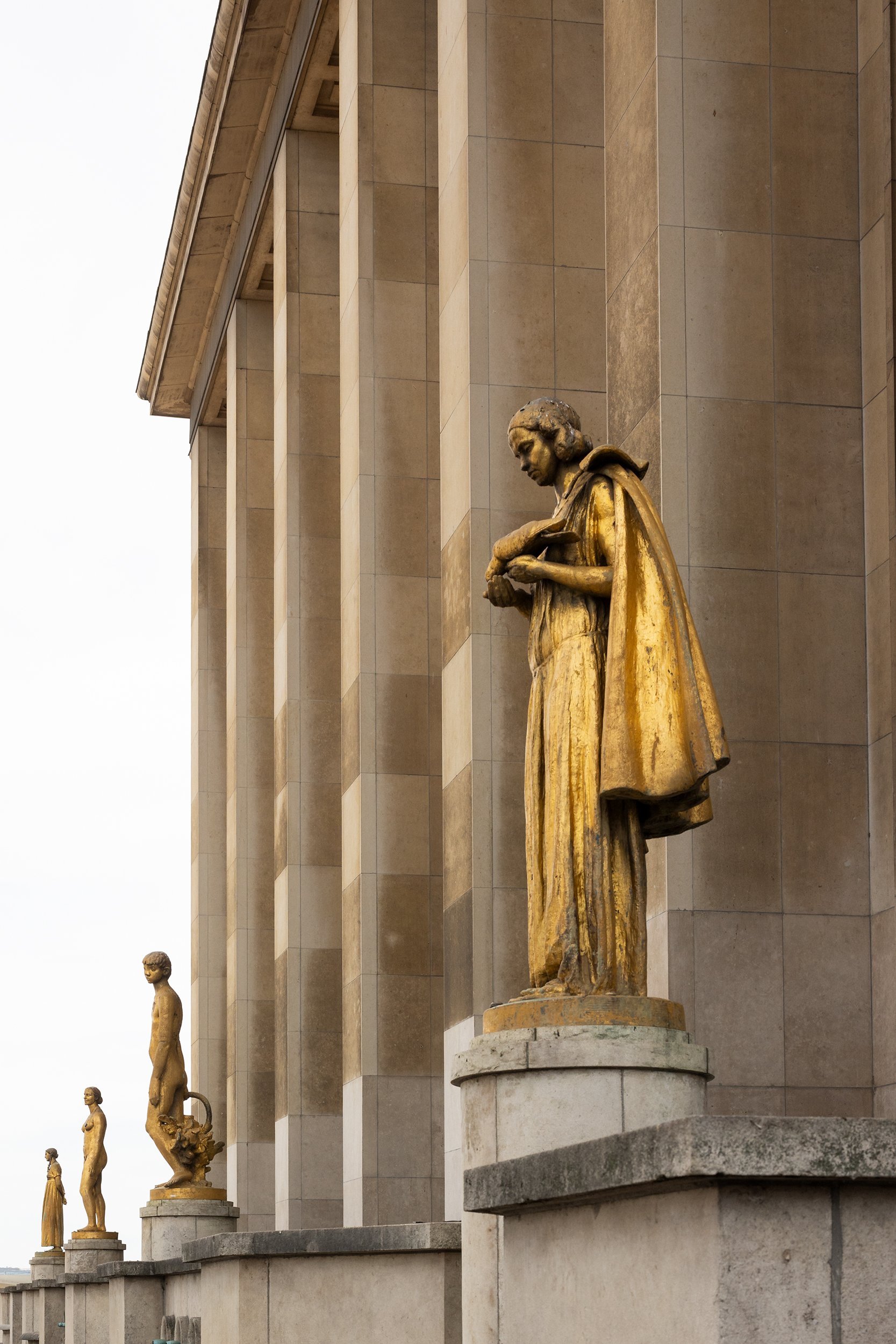
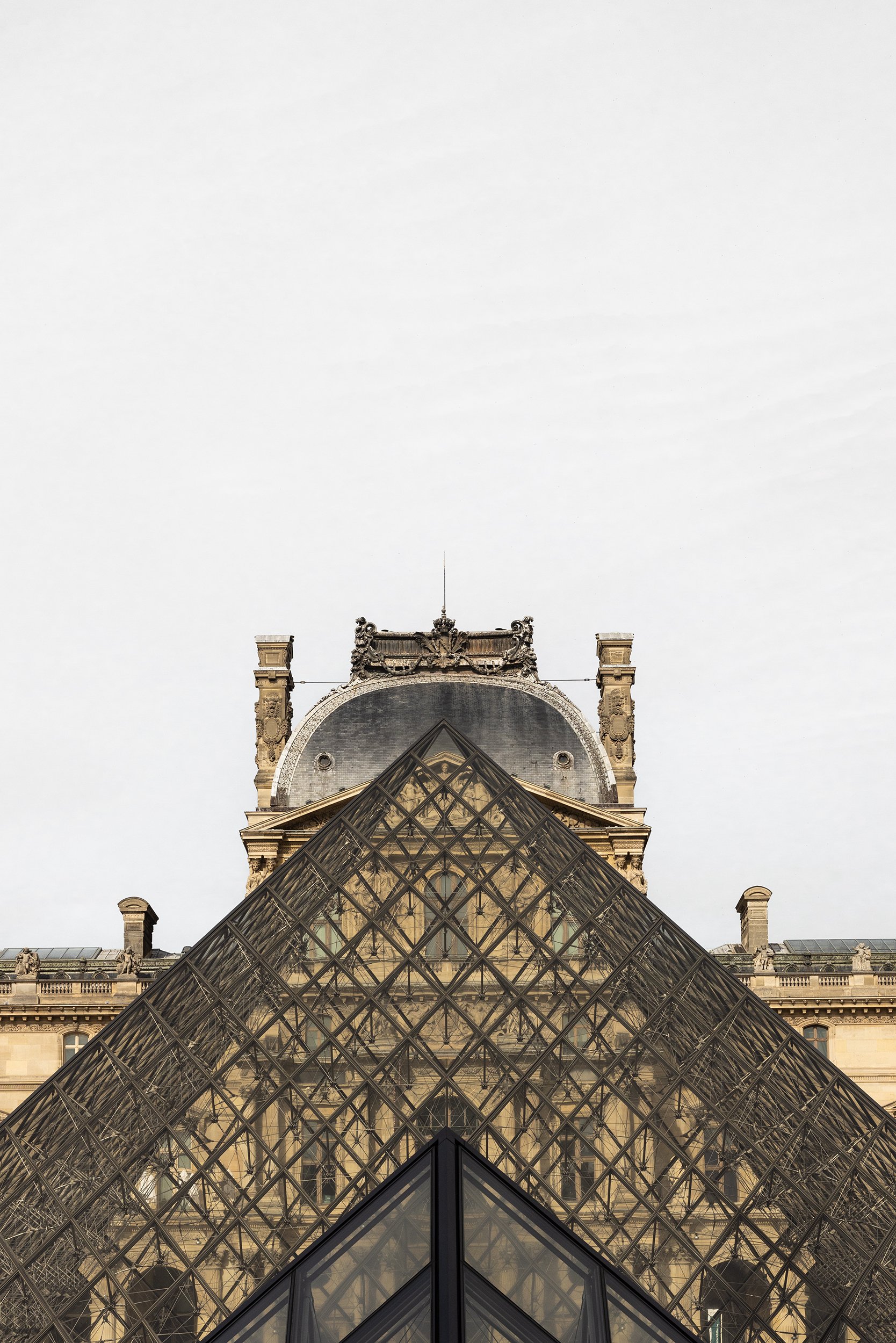
1. The Eiffel Tower from the vantage point of the Carrousel de la Tour Eiffel | 2. Rue Gît-le-Coeur in the 6th arrondissement of Paris | 3. Golden Les Oiseaux statue at Palais de Chaillot at Place du Trocadéro | 4. The Louvre Museum pyramid
TOUR EIFFEL (EIFFEL TOWER)
On my first trip to Paris with my sister and her family, we spent some time relaxing on the lawn at Champs de Mars, with views of the tower stretching out before us. This time, the experience was markedly different. I encountered the now-common bracelet sellers who approach tourists at landmarks, and noticed the Eiffel Tower's base is now enclosed in bulletproof walls - security measures that reflect how much has changed since my last visit. The area was packed with crowds, making photography challenging, and since I wasn't planning to go up the tower anyway, I decided to move on and hunt for those perfect vantage points where the Eiffel Tower becomes part of the frame rather than the entire picture - quiet streets in the 7th arrondissement, hidden gardens, and elevated viewpoints where I could capture the iron lady rising above Parisian rooftops without fighting through the crowds.
PHOTO LOCATIONS
While technically not at the Eiffel Tower, here are some of the vantage points I visited for photo ops of the tower.
Avenue de Camoëns Viewpoint
This residential street in the 16th arrondissement offers an unobstructed, postcard-perfect view of the Eiffel Tower framed by classic Haussmannian buildings. At just 116 metres, Avenue de Camoëns might be Paris's shortest avenue, and it's technically a dead end. The street runs from 4 Boulevard Delessert to 14 Rue Benjamin-Franklin, where cars must stop - but pedestrians can continue down an elegant staircase that also happens to offer another excellent photo angle. The spot is accessible 24/7 and completely free. The closest métro station is Trocadéro (lines 6 and 9), just a few minutes' walk away.
Don’t expect to have this place to yourself, though. While you might hope for an empty street to capture that perfect shot, those days are largely gone, and you’ll find Instagrammers lined up for their turn.
Avenue Rapp
For a quieter stroll with Eiffel Tower views, head to Avenue Rapp in the 7th arrondissement. This elegant street, along with the small Square Rapp, sits surprisingly close to the major tourist sites yet feels worlds away from the crowds.
Here you'll find beautiful Haussmannian architecture and glimpses of the Eiffel Tower rising above the rooftops, all while walking through a neighborhood that still feels authentically Parisian rather than overrun with tour groups.
Promenade D’Australie
The Promenade d'Australie in the 15th arrondissement provides an unobstructed view of the Eiffel Tower. This pedestrian walkway, built in the 1940s, offers a clear sightline to the tower without the visual clutter found at more famous viewpoints.
Promenade Marie de Roumanie
Promenade Marie de Roumanie is a peaceful riverside walkway along the Seine in the 7th arrondissement, just steps from the Eiffel Tower. Named after Queen Marie of Romania, this tree-lined promenade offers a quieter alternative to the busy tourist zones above. It's perfect for a leisurely stroll with unobstructed views of the tower, the Pont de Bir-Hakeim bridge, and the river - ideal for catching the Eiffel Tower from different angles without fighting through crowds.
Rue de l'Université
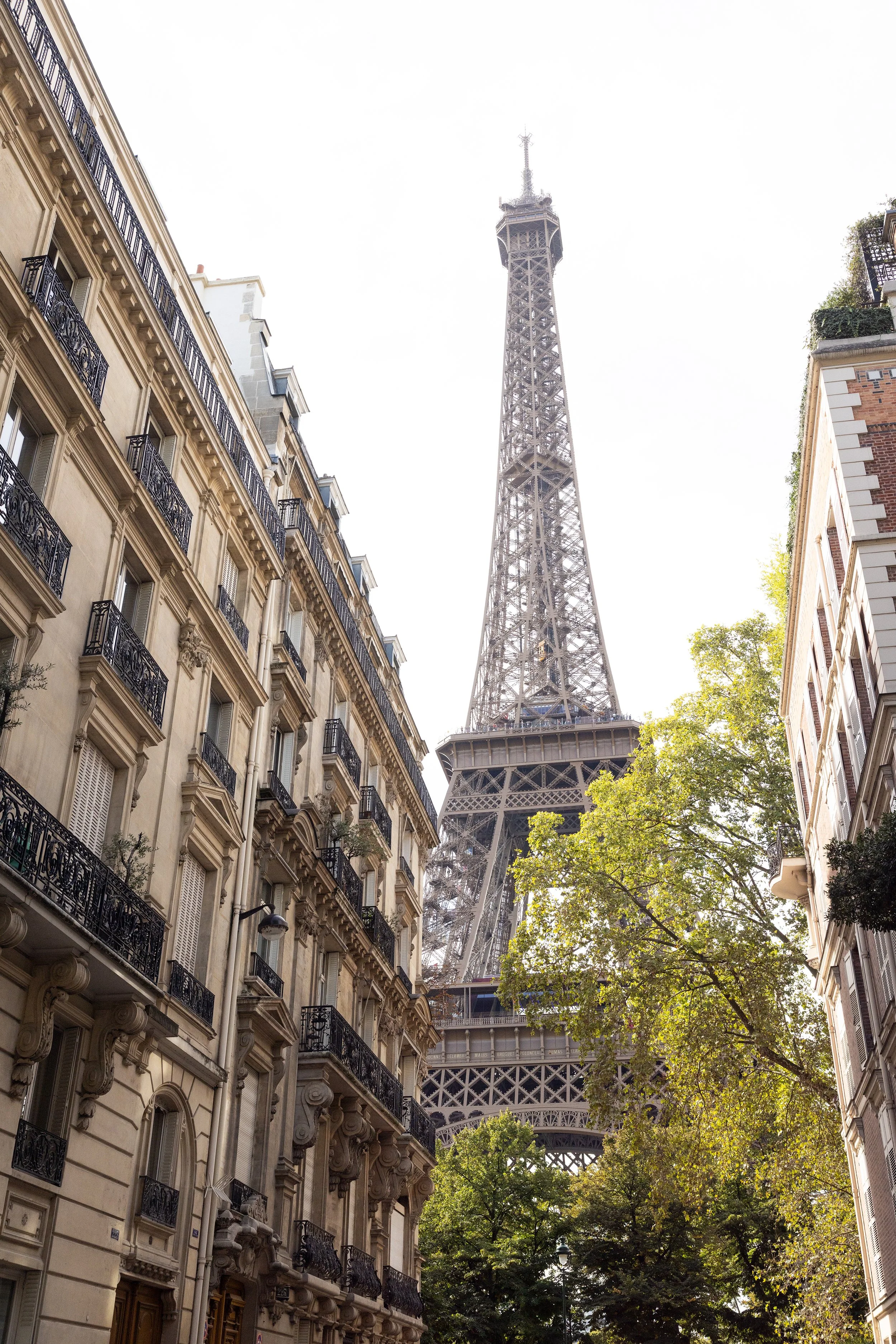
Rue de l'Université is a charming Left Bank street that runs through the 7th arrondissement, offering one of the most dramatic Eiffel Tower views in Paris. The tower looms large at the end of the street, framed perfectly by classic Haussmann buildings.
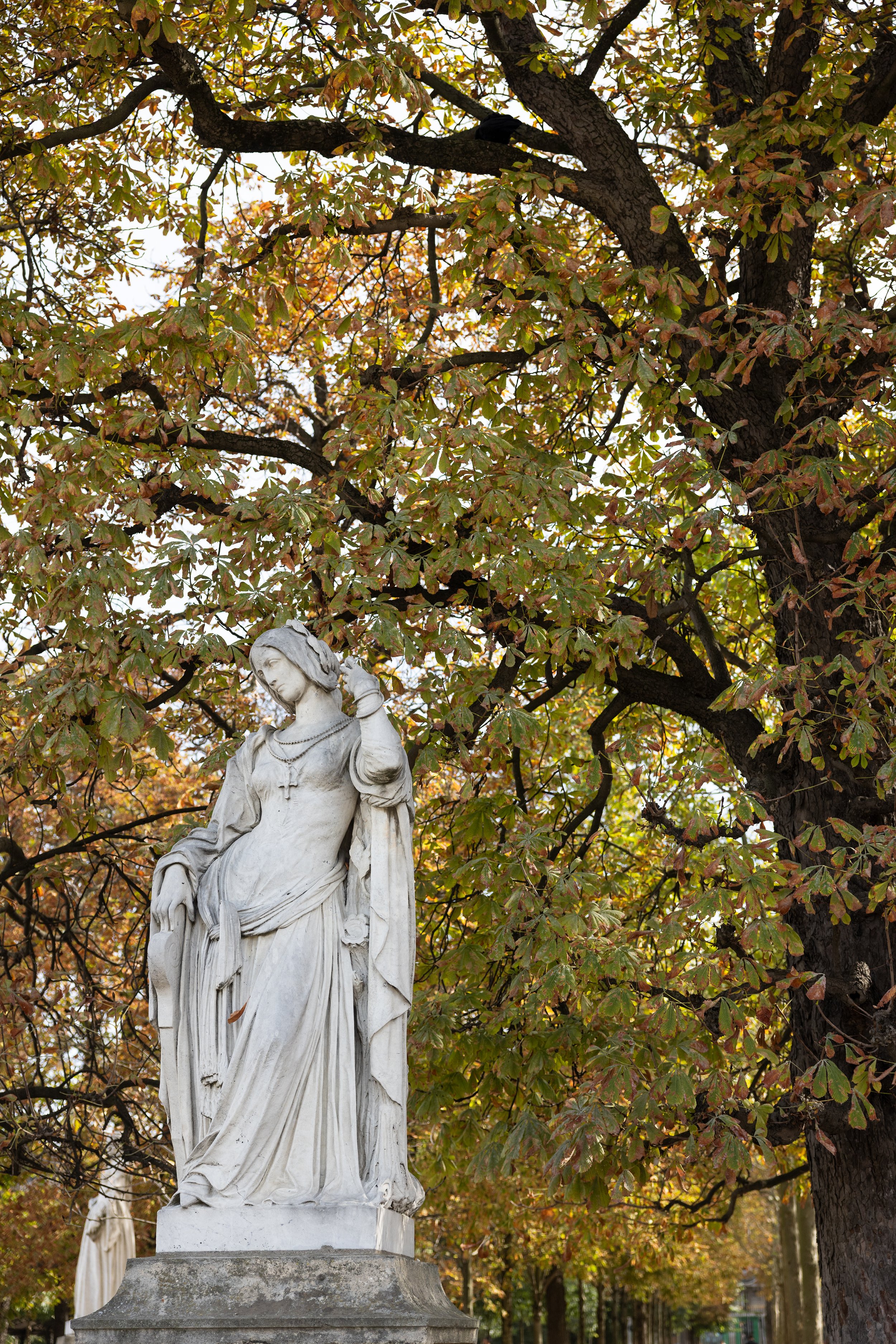
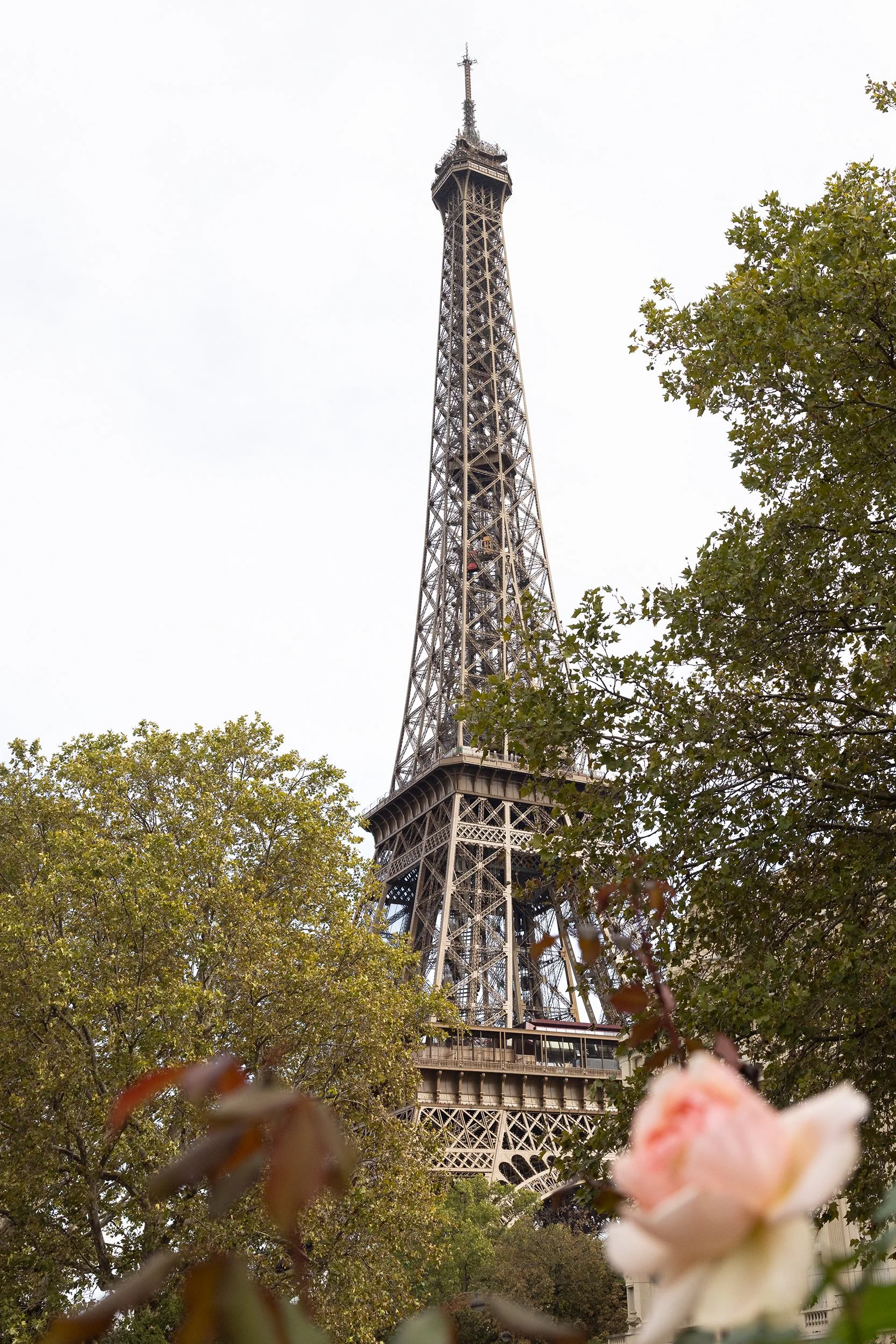
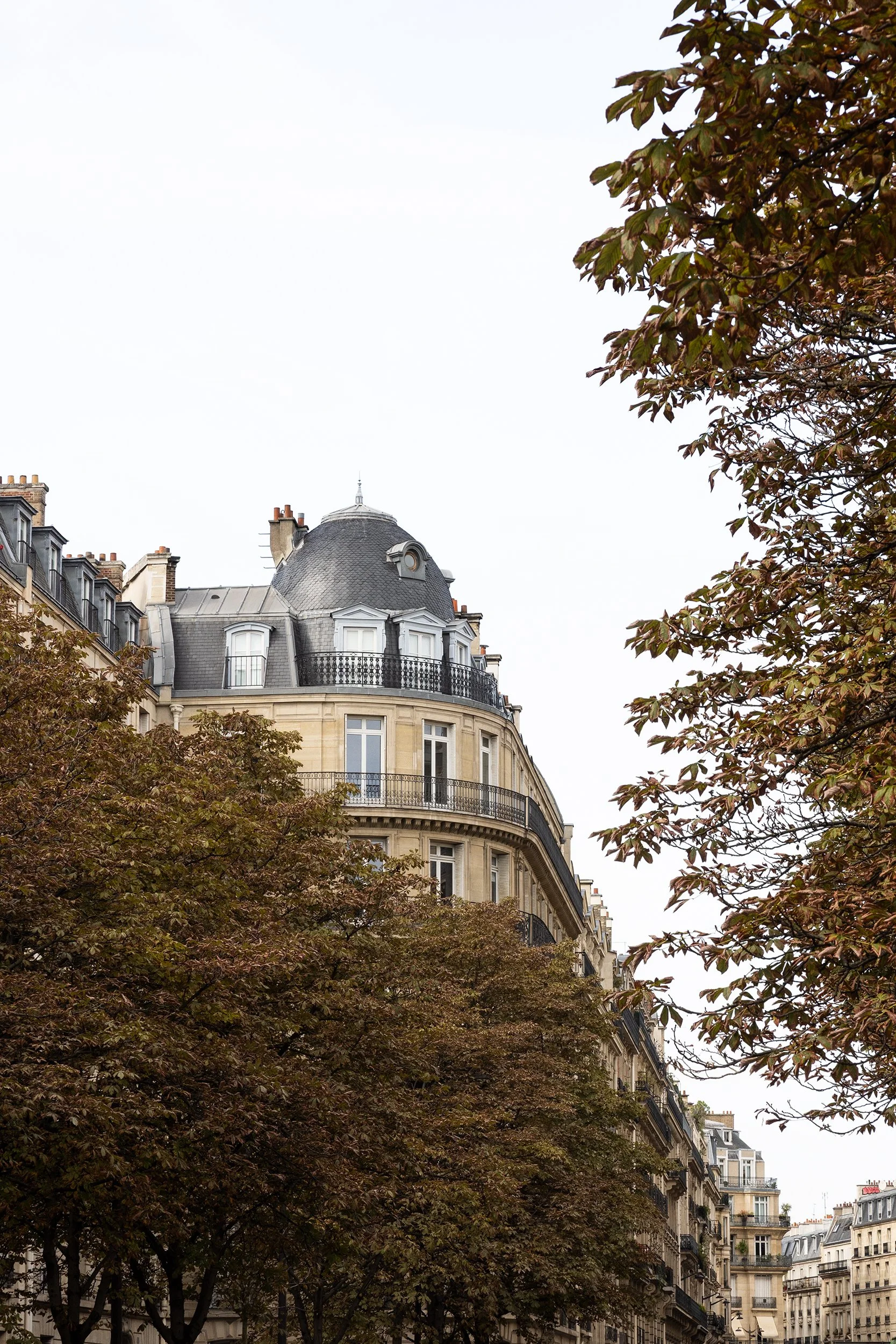
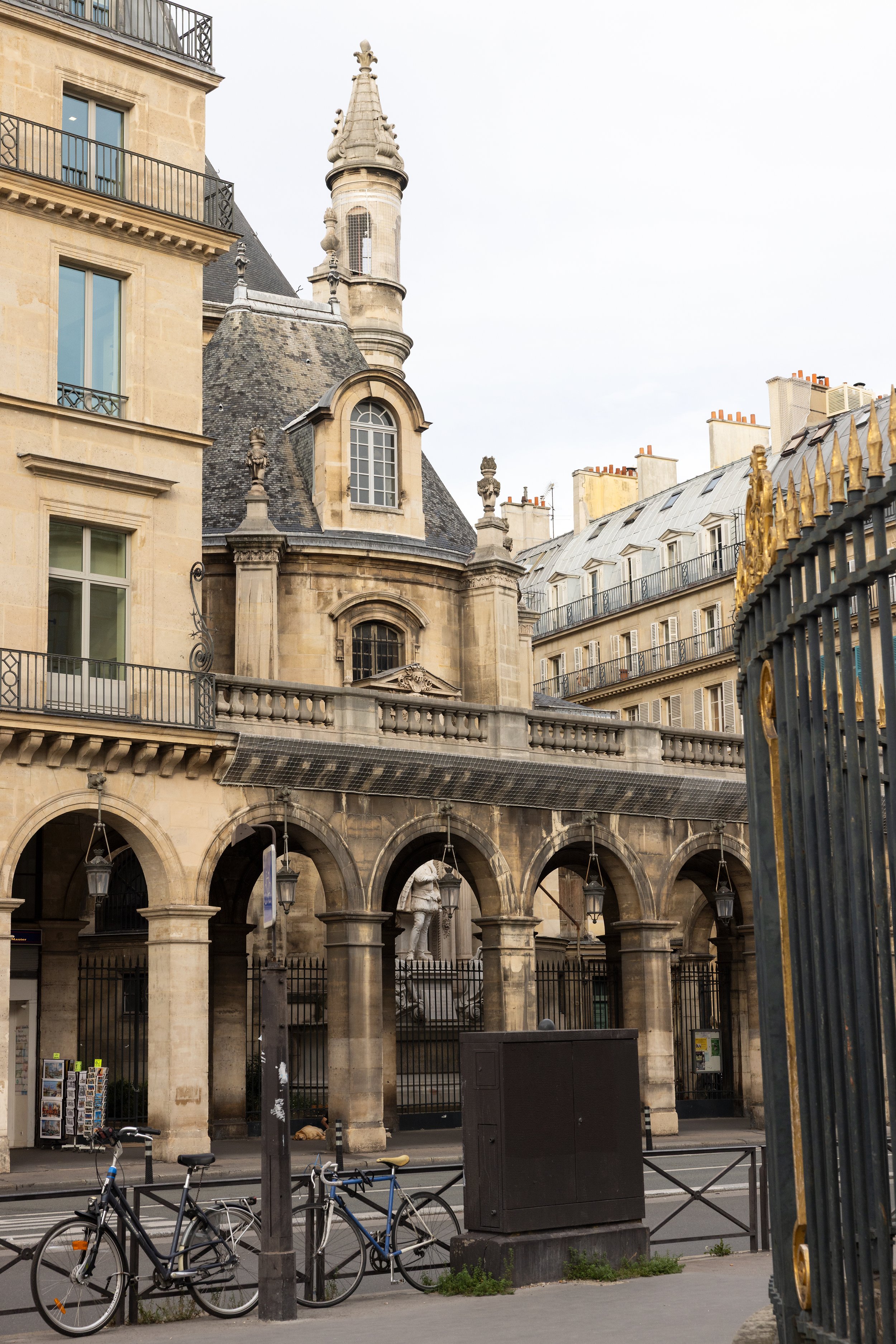
1. Statue of Clêmence Isaure at the Jardin du Luxembourg | 2. Views of the Eiffel Tower from Promenade Marie de Roumanie | 3. Avenue d'Eylau at Place du Trocadéro | 4. Oratoire du Louvre on Rue de Rivoli
QUARTIER LATIN (LATIN QUARTER)
On my third day, I set out from Vendôme along Quai François Mitterrand, crossing a bridge to Île de la Cité, the historic island that serves as home to Notre Dame Cathedral, before making my way to the Latin Quarter. Still the academic heart of Paris, the Latin Quarter is home to the Sorbonne and clusters of bookshops lining narrow streets that have remained virtually unchanged for centuries. While the area around Boulevard Saint-Michel draws heavy tourist crowds and features lackluster restaurants, I still love to wander its quieter side streets and soak in the atmosphere. It’s perfect for stopping in for a glass of wine and people-watching from a sidewalk café.
The area around Shakespeare and Company is quintessential Left Bank - the bookstore sits directly across from Notre-Dame with a perfect view of the cathedral. Another Instagram spot, it does get crowded.
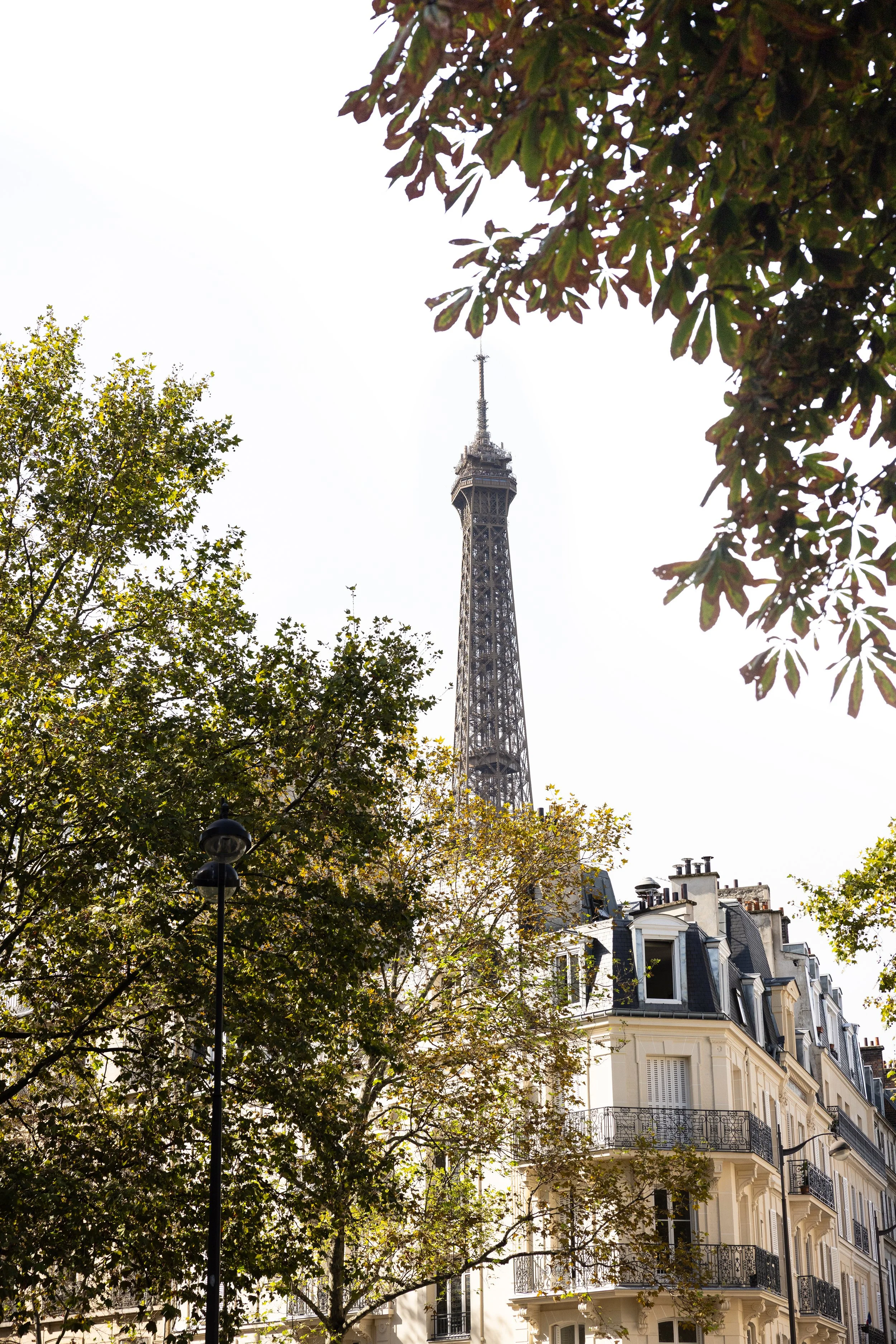
![Cafe Panis, views]ed from across the Seine](https://images.squarespace-cdn.com/content/v1/68e1350bbab1250943b2ee6a/1770228575604-VL6LXEYT91NPUL9YJ90Y/Cafe-Panis-Paris.jpg)
1. Statue Diane à la biche by Guillaume Coustou the Elder at the Tuileries Gardens | 2. The Eiffel Tower dominates the view along Rue de l’Université | 3. The Grand Palais, as seen from the Pont Alexandre III bridge | 4. Cafe Panis, views]ed from across the Seine on Petit Pont Cardinal
MONTMARTE
Montmartre is my favorite neighborhood in Paris. A historic, artistic neighborhood perched atop a steep hill (Butte Montmartre) in Paris's 18th arrondissement, Montmartre is famed for its bohemian heritage, winding cobblestone lanes, Place du Tertre where artists display their work, and the gleaming white Sacré-Cœur Basilica crowning its summit with sweeping panoramic views of the city. Once a rural village beyond the city limits, it drew legendary artists like Picasso and Van Gogh during its creative heyday. While some describe Montmartre as being overly touristy, turning the bohemian neighborhood into a crowded theme park, it’s still worth a visit. Just avoid the trinket shops and wander the area.
Montmartre's main square, Place du Tertre, is bustling with portrait artists at their easels, sketching caricatures and offering paintings to passersby, surrounded by outdoor cafés packed with tourists sipping wine and soaking in the atmosphere. It’s lively and undeniably charming, with a certain romantic appeal, though clearly more geared toward visitors than the bohemian artist enclave it once was - still, there's something infectious about the energy of the square.
I have an etching that I purchased on my first Paris trip that sits on my kitchen counter, and I was really hoping to find something nice to add to my office gallery wall. This trip, there were more caricature artists, so not what I was looking for. I did meet an artist who had some beautiful, albeit pricey art, and she directed me to her painting spot, the Renoir Gardens.
After visiting the Sacré-Coeur basilica, with its striking white domes, I descended from the basilica and made my way to the Jardins du Musée de Montmartre (Renoir Gardens), a hidden gem tucked away on the slopes of Montmartre on Rue Cortot.
PHOTO LOCATIONS
Basilique du Sacré-Coeur de Montmartre
The steps leading up to Sacré-Coeur offer one of Paris's most sweeping panoramic views, with the entire city spreading out below. It's a popular spot for both photographers capturing the skyline and visitors simply taking in the vista. For an even more spectacular vantage point, you can climb up into the basilica's dome itself, which provides a 360-degree view over Paris from one of the city's highest points.
Jardins du Musée de Montmartre (Renoir Gardens)
These tranquil gardens once belonged to Pierre-Auguste Renoir, who lived and painted here during the late 19th century, and they retain a quiet, artistic charm far removed from the tourist bustle of the main square. Had it not been for the artist I’d met earlier, I likely would never have sought out this lovely, tranquil respite from hectic Montmarte.
Rue de l'Abreuvoir
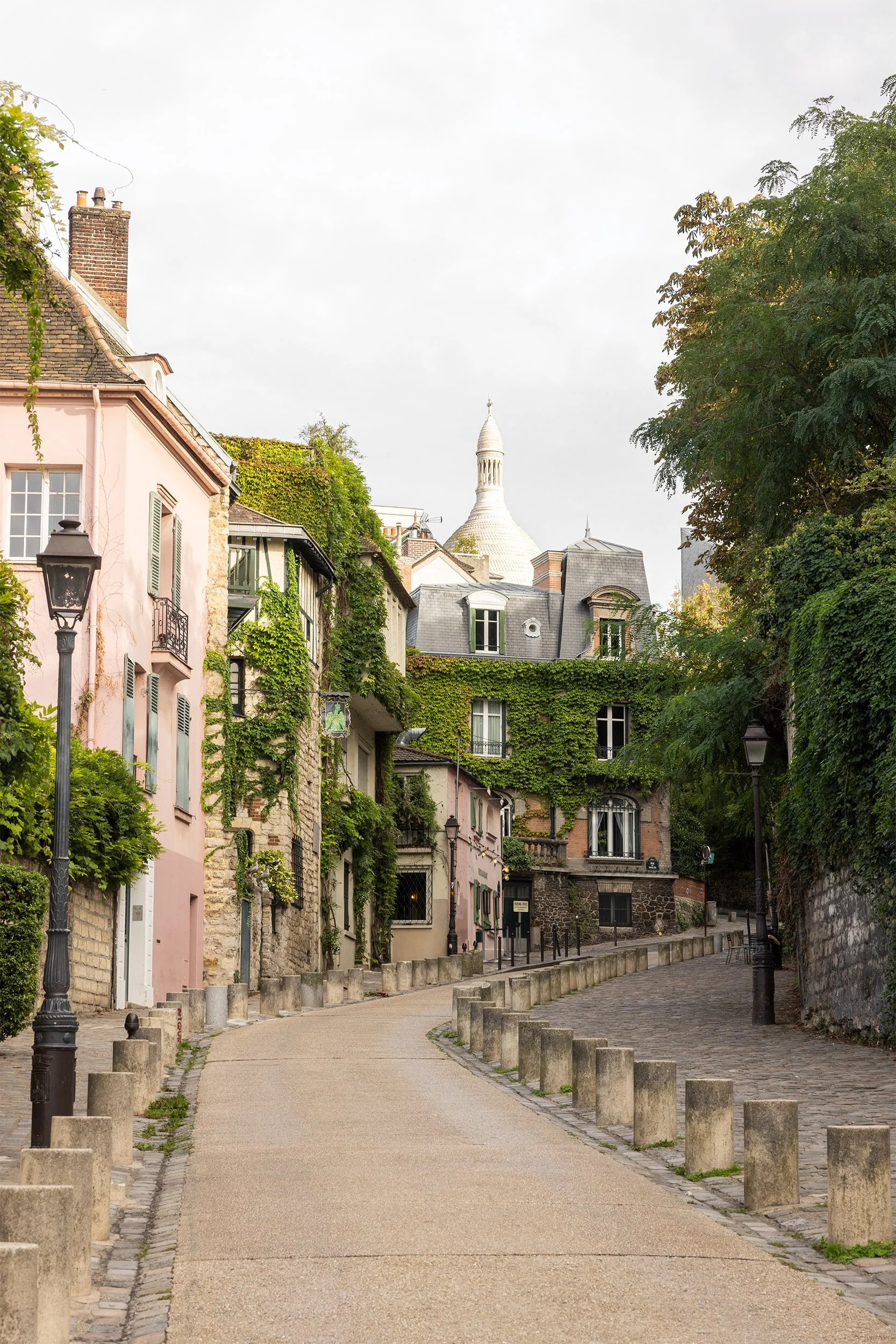
Rue de l'Abreuvoir is one of Montmartre's most enchanting streets, a cobblestoned lane that perfectly captures the village-like charm this hilltop neighborhood is famous for. The street curves gently downhill, lined with ivy-covered buildings, pastel-shuttered windows, and the occasional glimpse of Sacré-Cœur in the distance.
The pink house at the corner of Rue de l'Abreuvoir and Rue des Saules - La Maison Rose - has become one of Paris's most photographed spots, with its salmon-pink facade and green shutters drawing Instagram fame.
MORE INFO
You can read our complete guide to visiting Montmarte here.
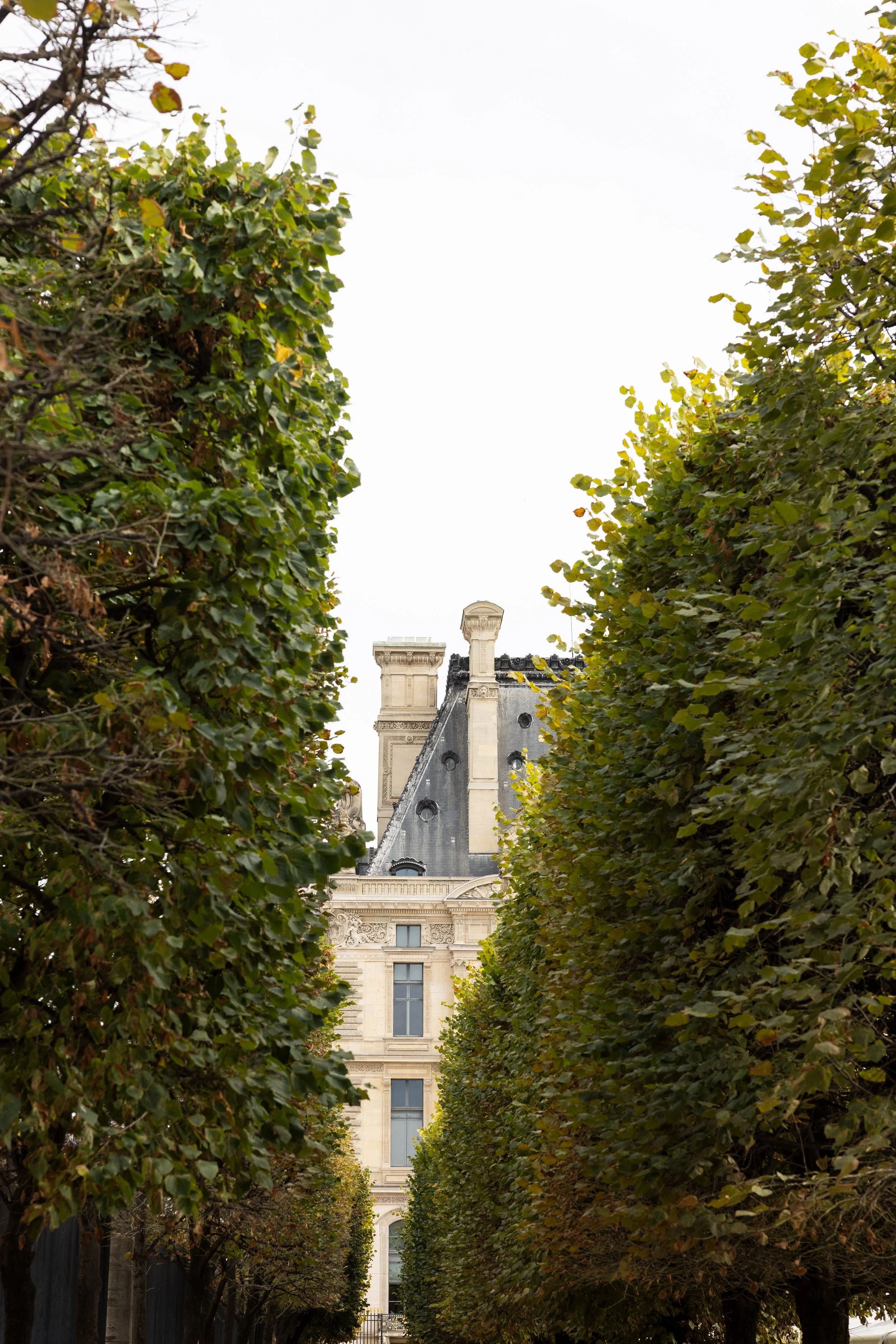
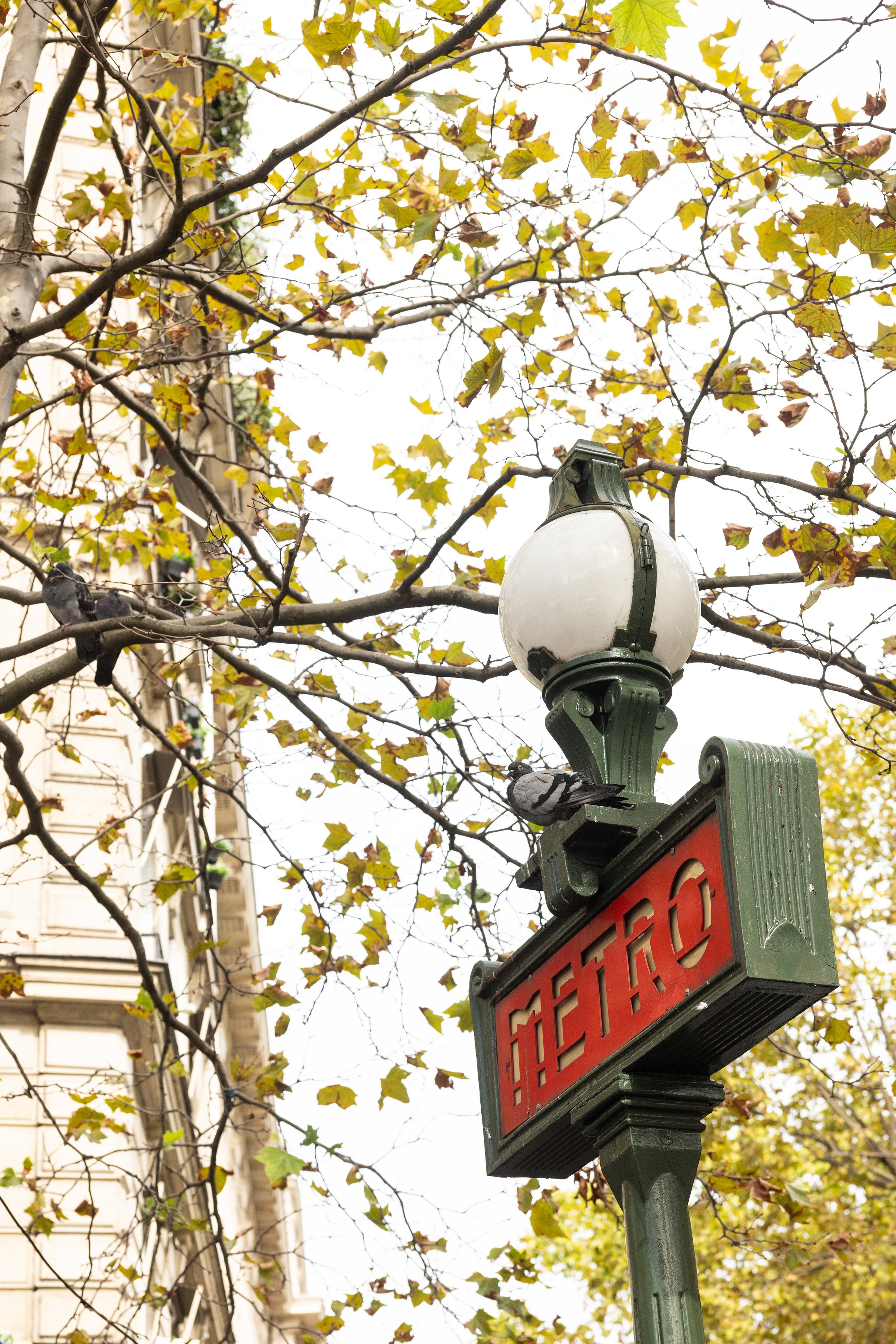
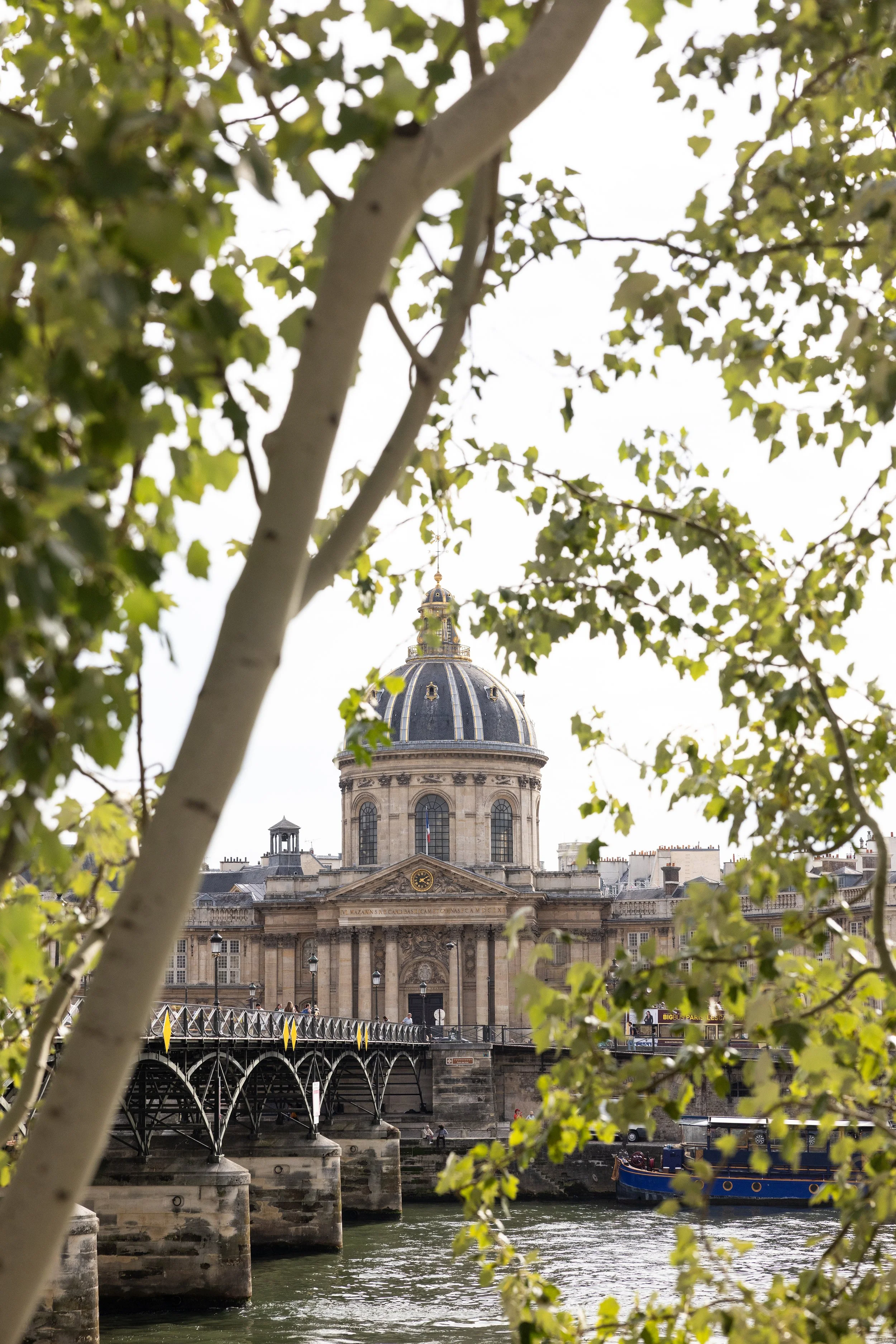
1. Corner of Rue de l'Université and Avenue Rapp | 2. The Louvre Museum | 3. Metro sign at Place du Trocadéro | 4. Institut de France
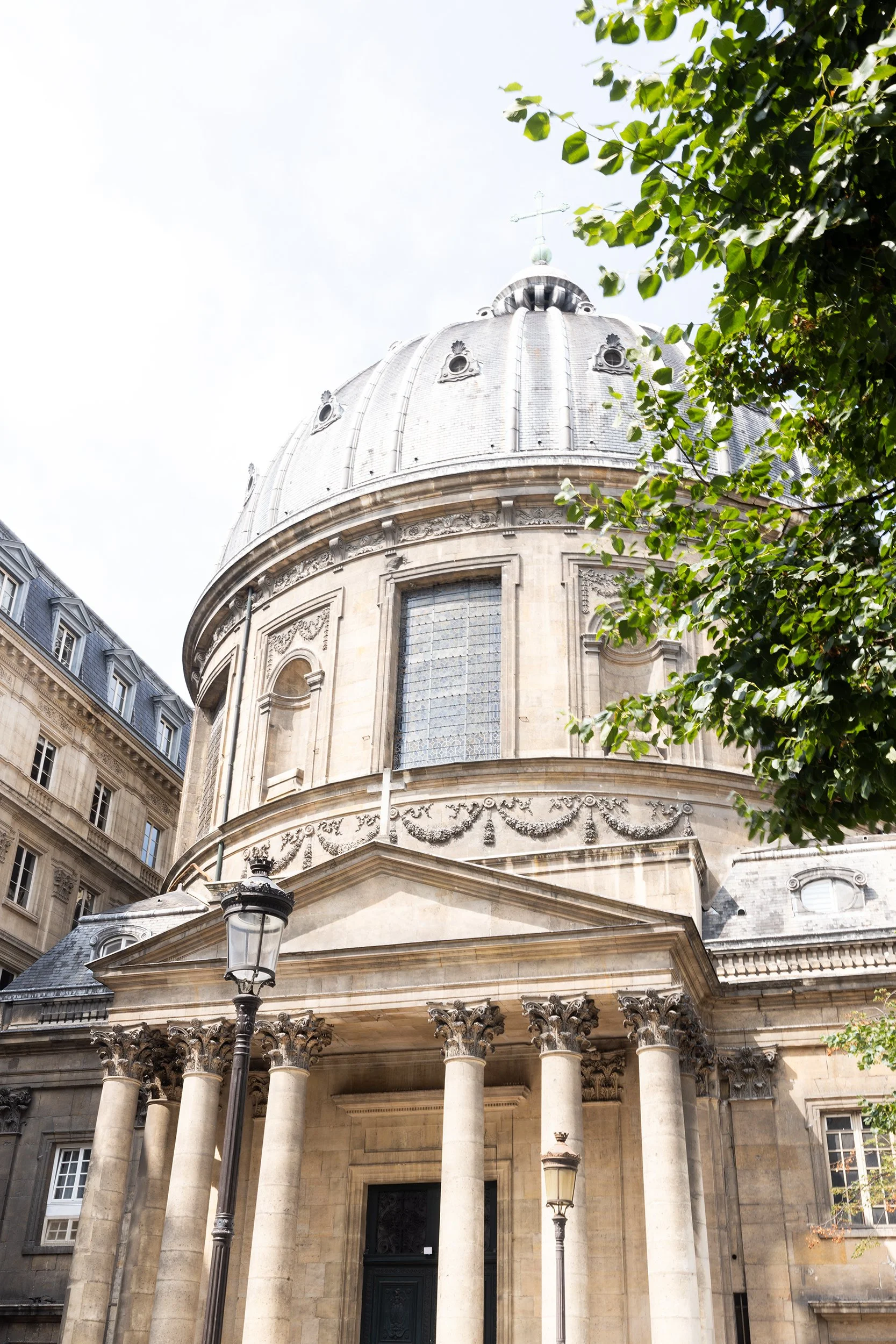
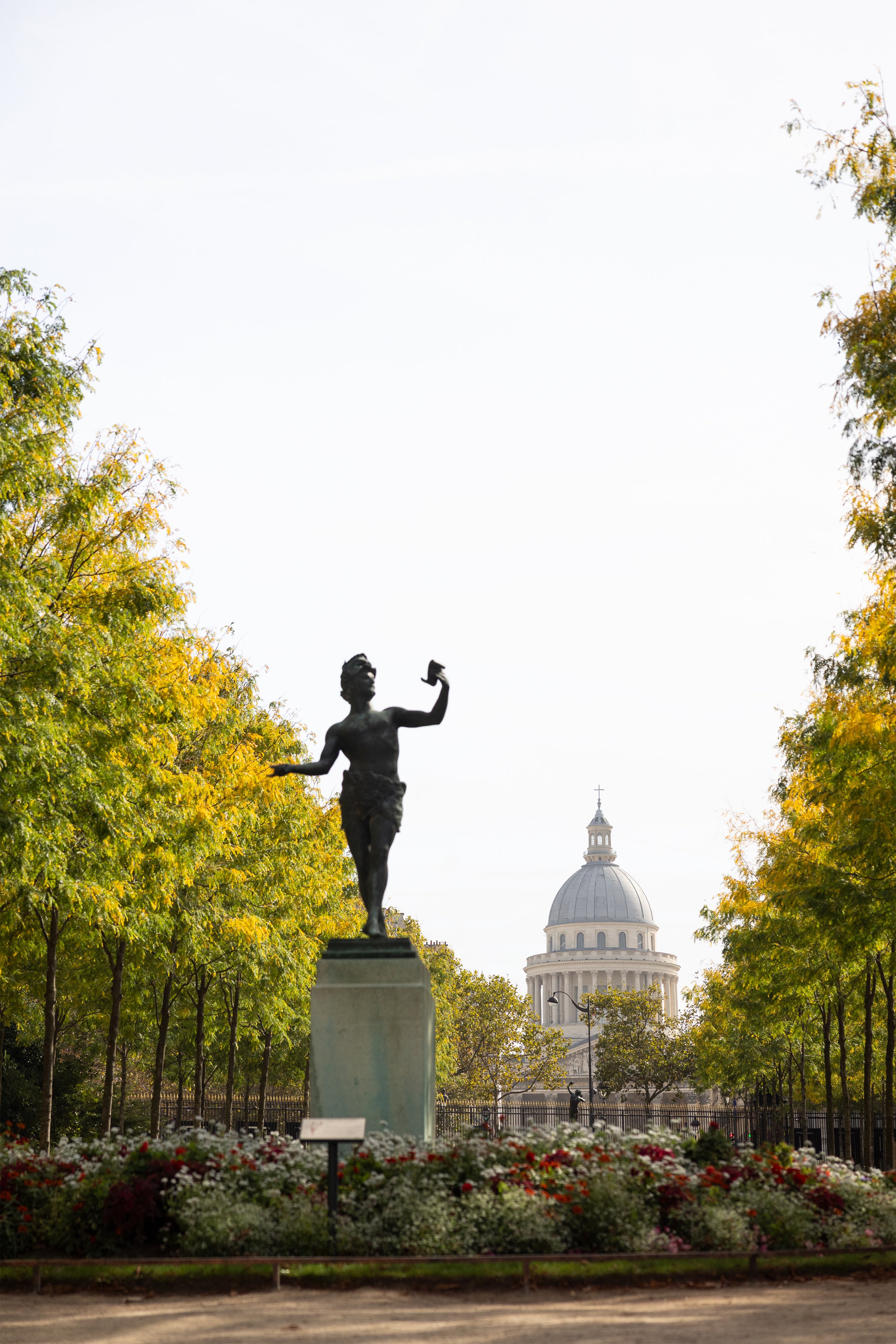
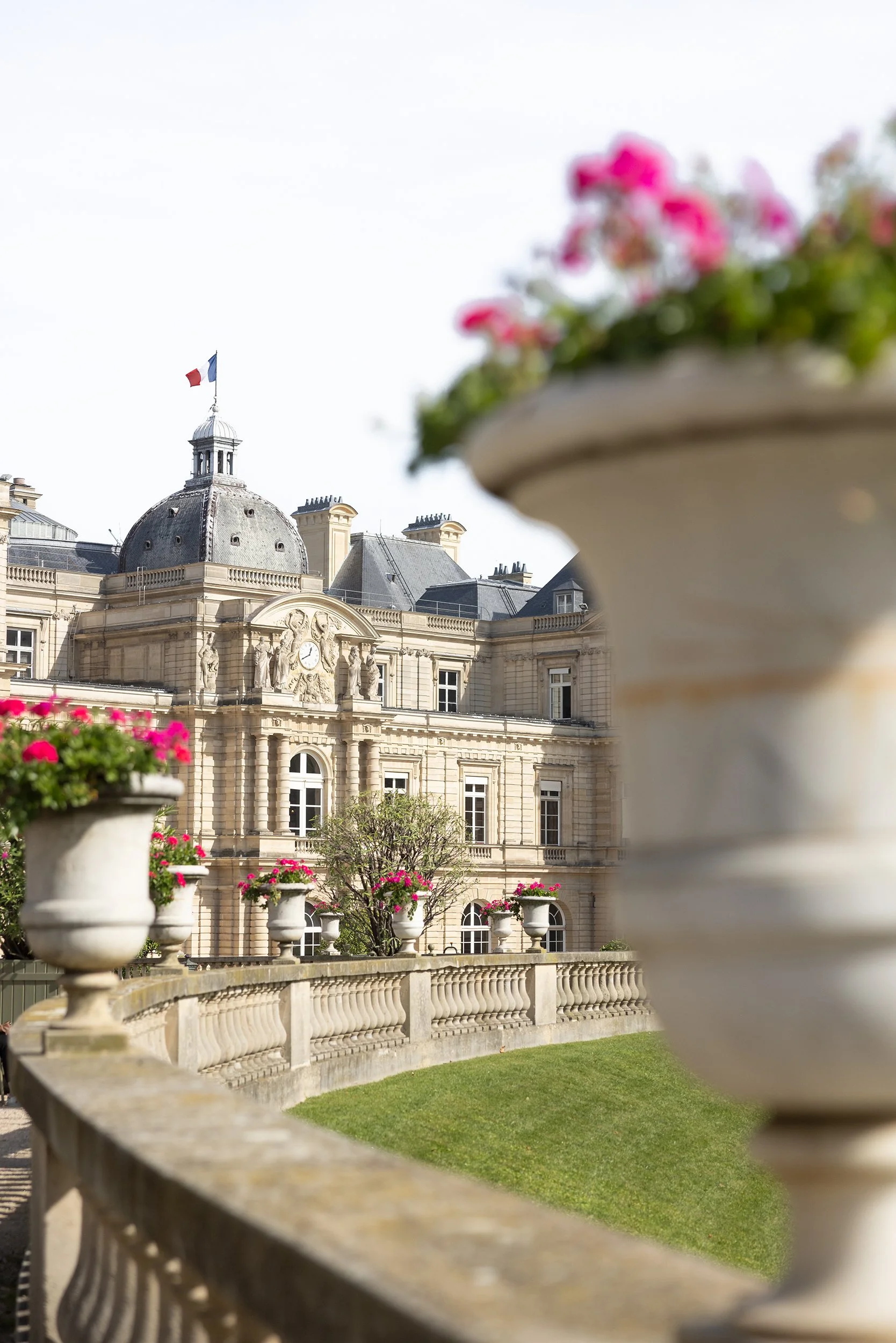
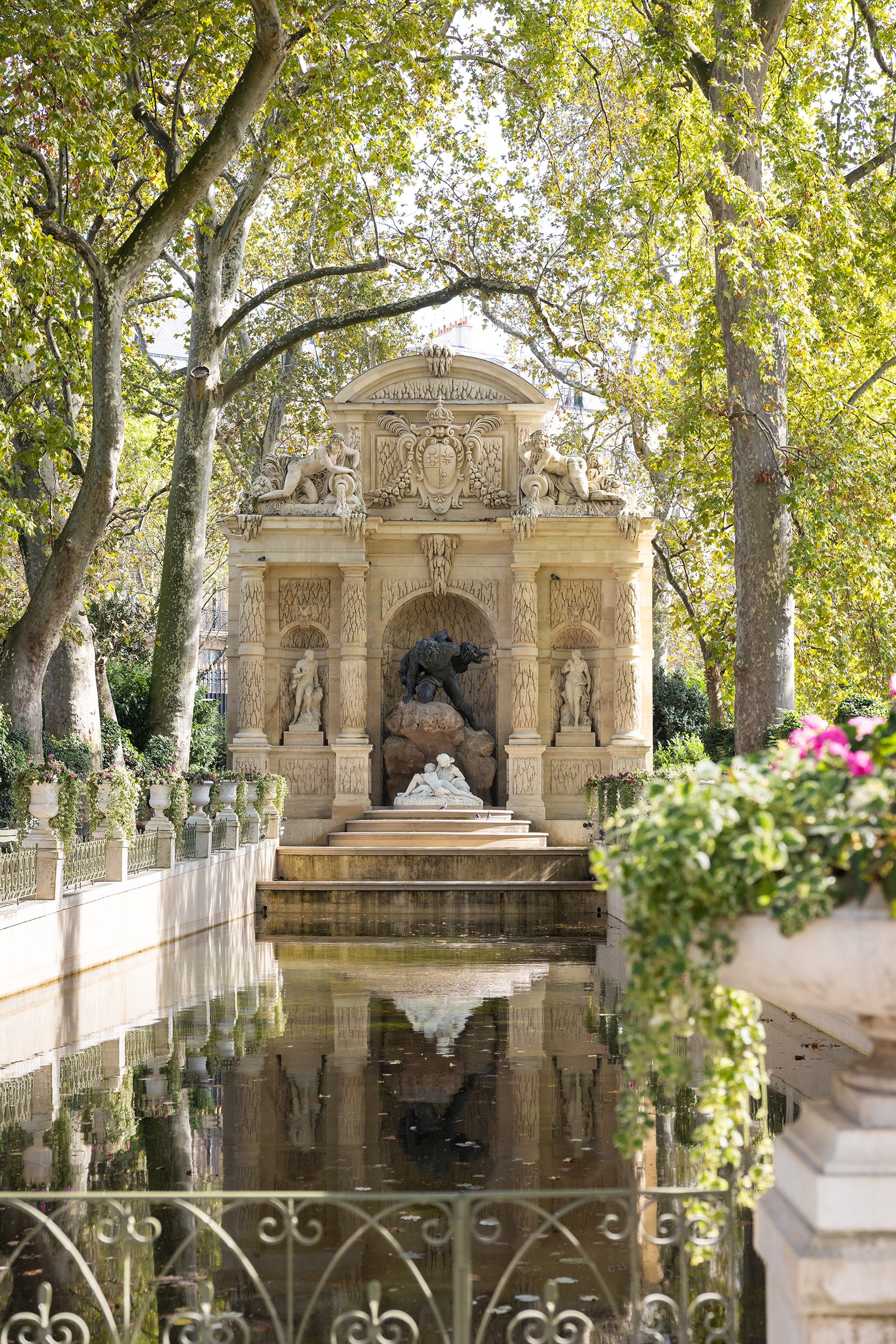
1. Notre Dame de l'Assomption, a Catholic church in the first arrondissement of Paris, located on Place Maurice-Barrès at the corner of Rue Saint-Honoré and Rue Cambon | 2. Statue of L'Acteur Grec at Jardin du Luxembourg with a view of le Panthéon, on the East side of the gardens near the Medici Fountain | 3. Palais du Luxembourg as viewed from the Grand Basin of the Luxembourg Gardens | 4. The Medici Fountain at Jardin du Luxembourg, on the East side of the gardens, in the shadow of the palace
JARDIN DU LUXEMBOURG
Seeking to visit somewhere new, I decided to put Luxomburg Gardens on my list on my last day. Created in 1612 by Queen Marie de Medici and inspired by Florence's Boboli Gardens, the Luxembourg Gardens feature French and English garden styles divided by a geometric forest and a large pond. The grounds include an orchard with heirloom apple varieties, an apiary, orchid-filled greenhouses, 106 statues throughout the park, the grand Medici Fountain, the Orangerie, and the Pavillon Davioud. I wandered the gardens for several hours, making this a leisurely and relaxing last day. From here, I ventured back to the Latin Quarter and eventually back to the Tuileries Gardens.
PHOTO LOCATIONS
Garden Statues
The Luxembourg Gardens are home to 106 statues scattered throughout its paths, terraces, and tree-lined avenues, transforming the park into an open-air sculpture gallery. Most date from the 19th century and depict queens of France, poets, artists, and allegorical figures. A map of the statues can be found here.
The Grand Basin
The Grand Basin is the centerpiece of the Luxembourg Gardens, a large octagonal pond that draws Parisians and visitors alike to its edges. Iconic green metal chairs and flowering planters ring the basin.
The Medici Fountain
Around 1630, Marie de Medici commissioned the construction of what's now known as the Medici Fountain in the Luxembourg Gardens. Originally called the Luxembourg grotto, it was designed to evoke the nymphaea - ornamental grottoes dedicated to water nymphs - and elaborate fountains that graced the Italian Renaissance gardens of her youth.
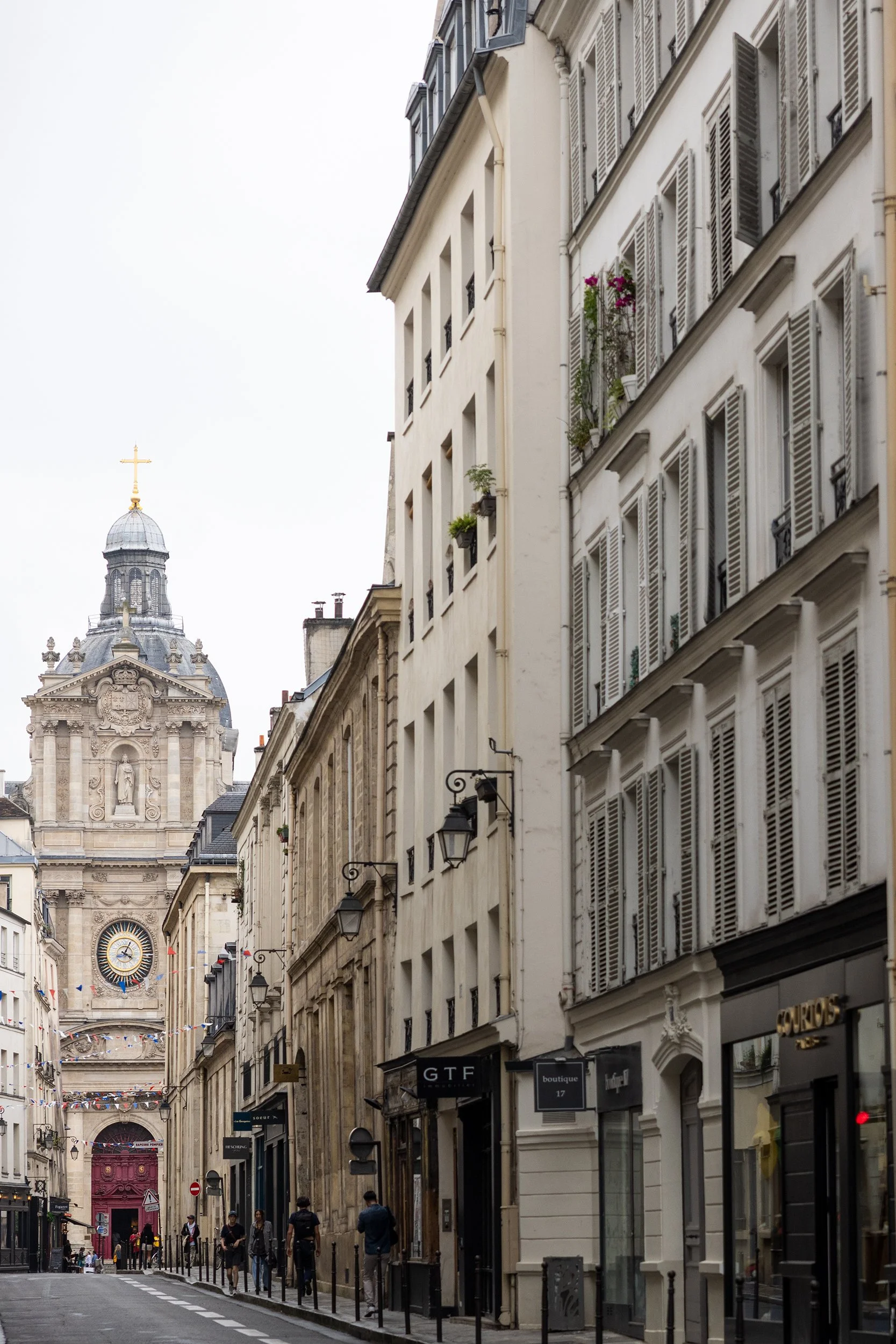
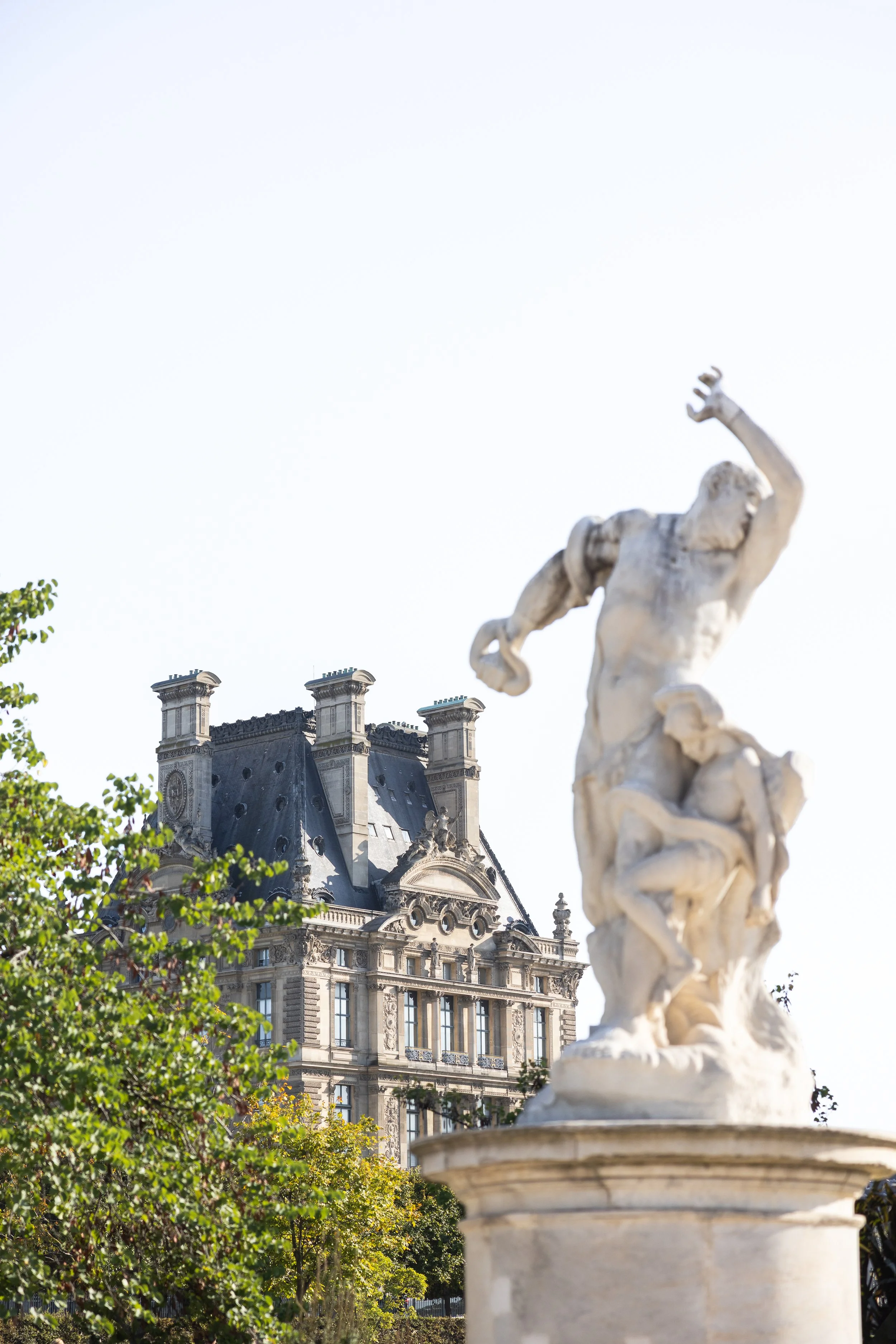
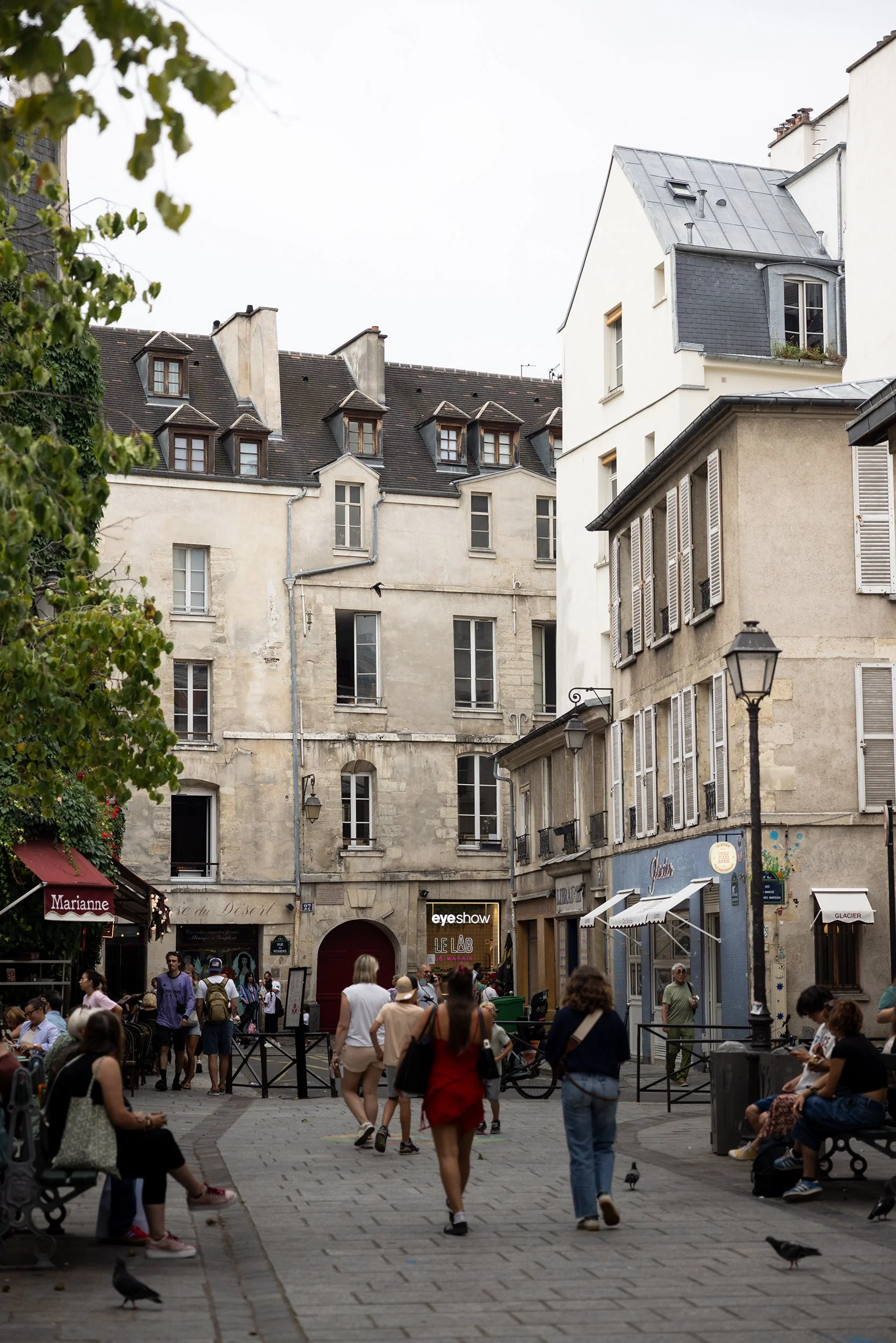
1. Rue de Sévigné, in the historic Marais district | 2. Hôtel de Lamoignon in the Marais | 3. La Misère statue at Jardin des Tuileries | 4. Rue des Hospitalières Saint Garvis in the Marais
LE MARAIS
Shortly after my second visit to Paris, I found myself with another flight to Charles du Galles. This trip was for a Provence getaway with my sister, Laura. But Paris was planned for our arrival day and an afternoon on our last day. We decided to put the Marais on the itinerary. Nestled on the right bank of the Seine, the Marais stands as one of Paris's most captivating districts, where centuries of history unfold along cobblestone streets and behind elegant aristocratic facades.
Once marshland, the area became the heart of aristocratic Paris in the 17th century. Noble families built stunning hôtels particuliers - private mansions with grand courtyards - that remain beautifully preserved today. The medieval street layout creates an intimate maze perfect for wandering, leading to treasures like the Place des Vosges, Paris's oldest planned square.
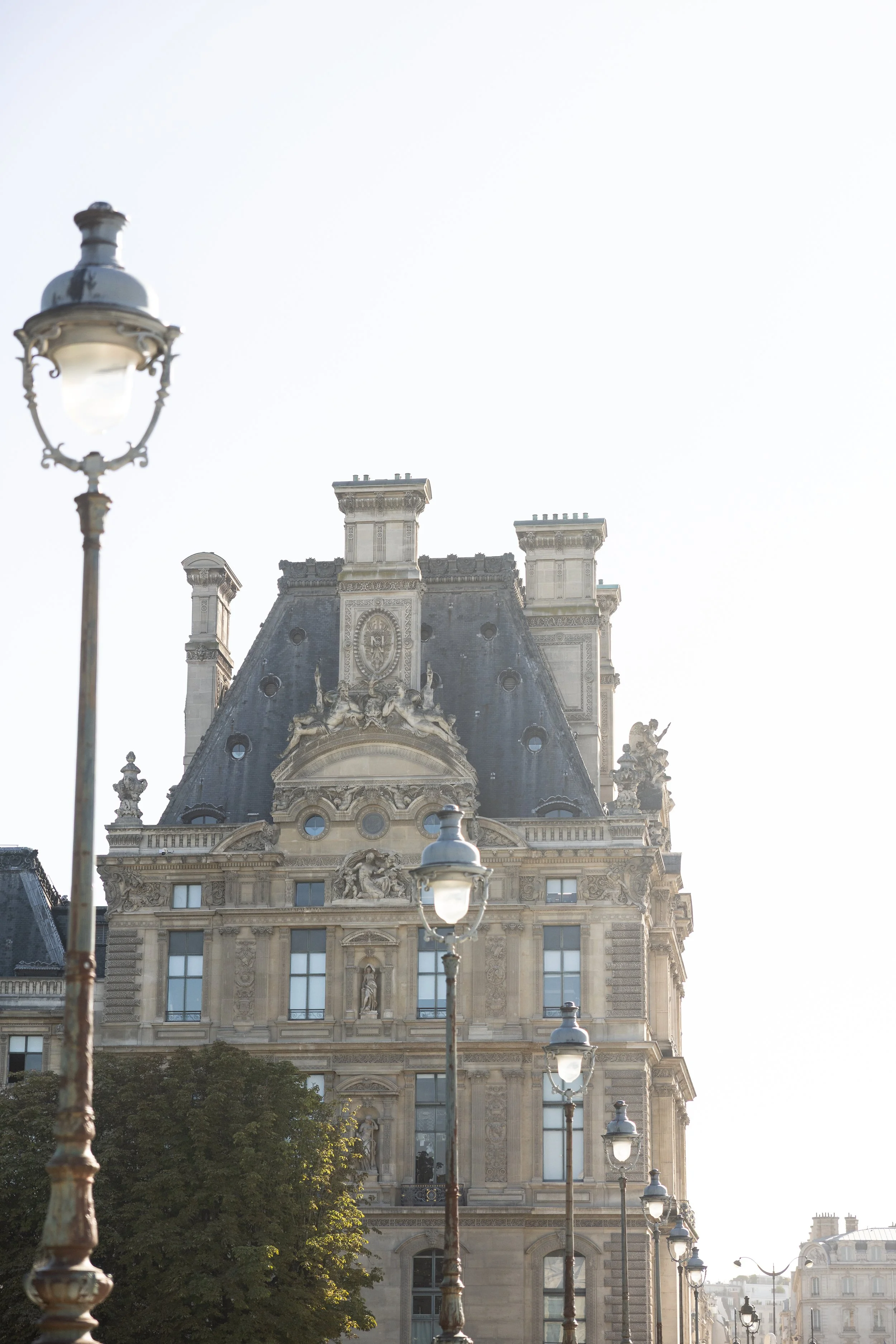
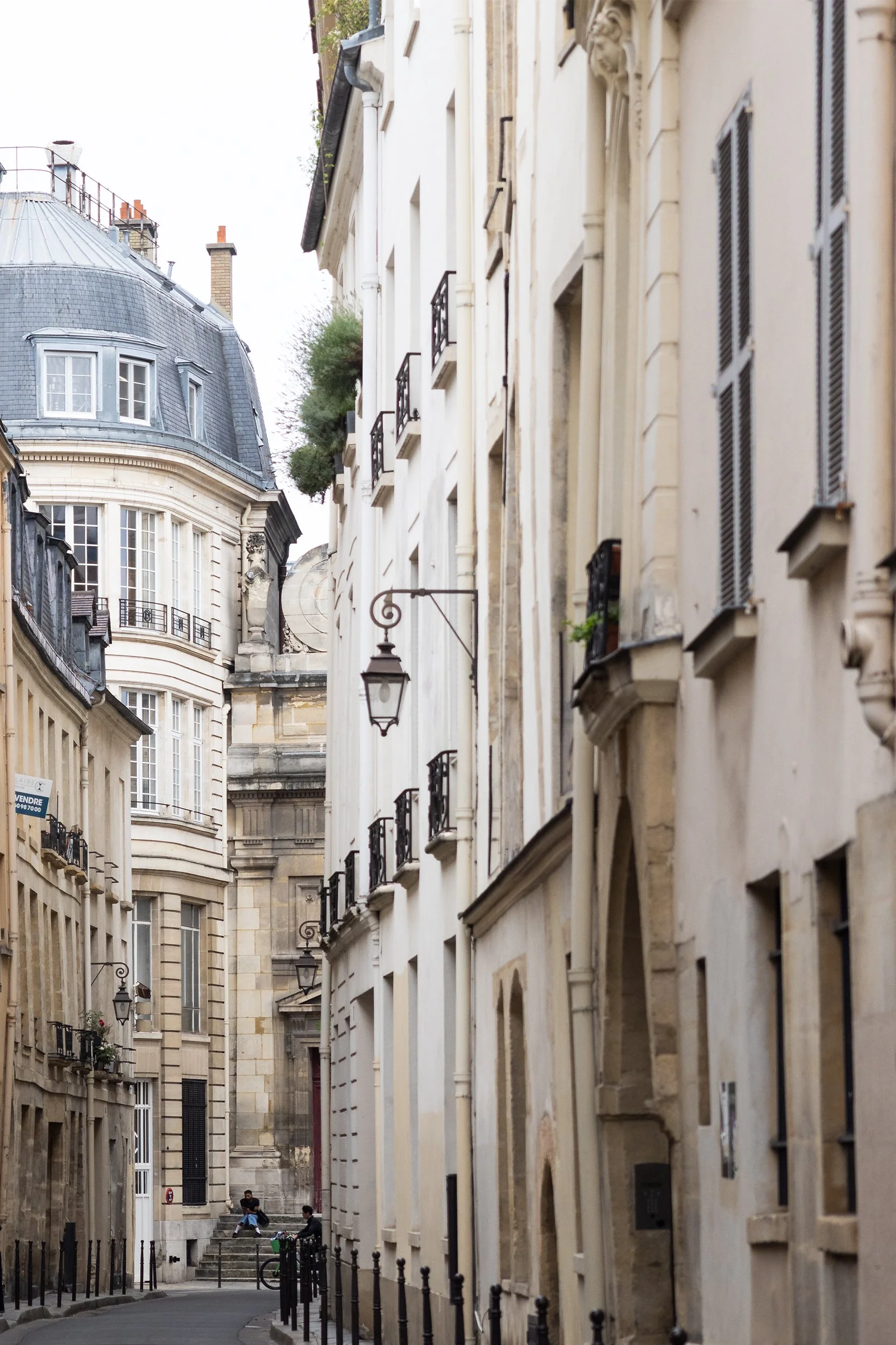
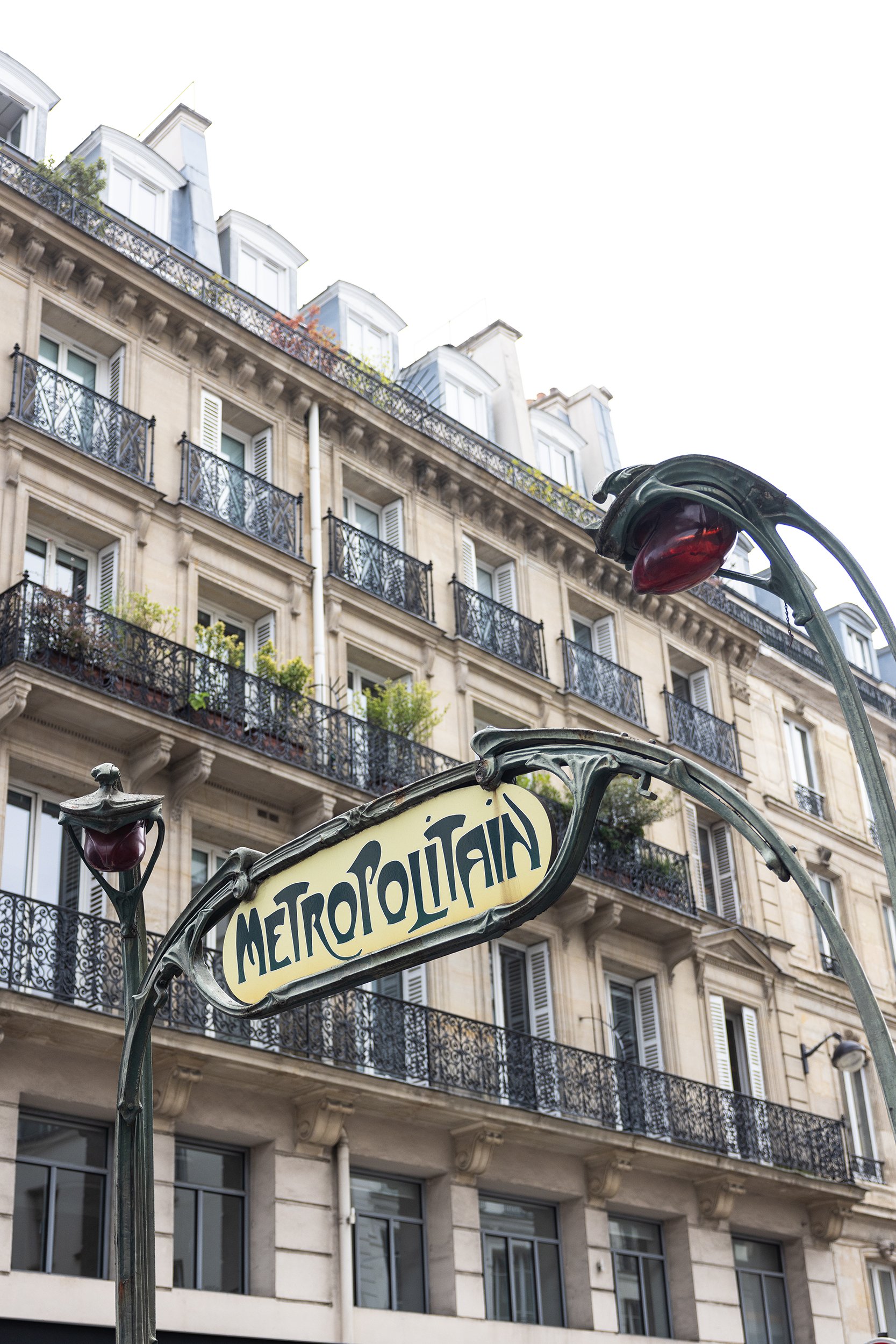
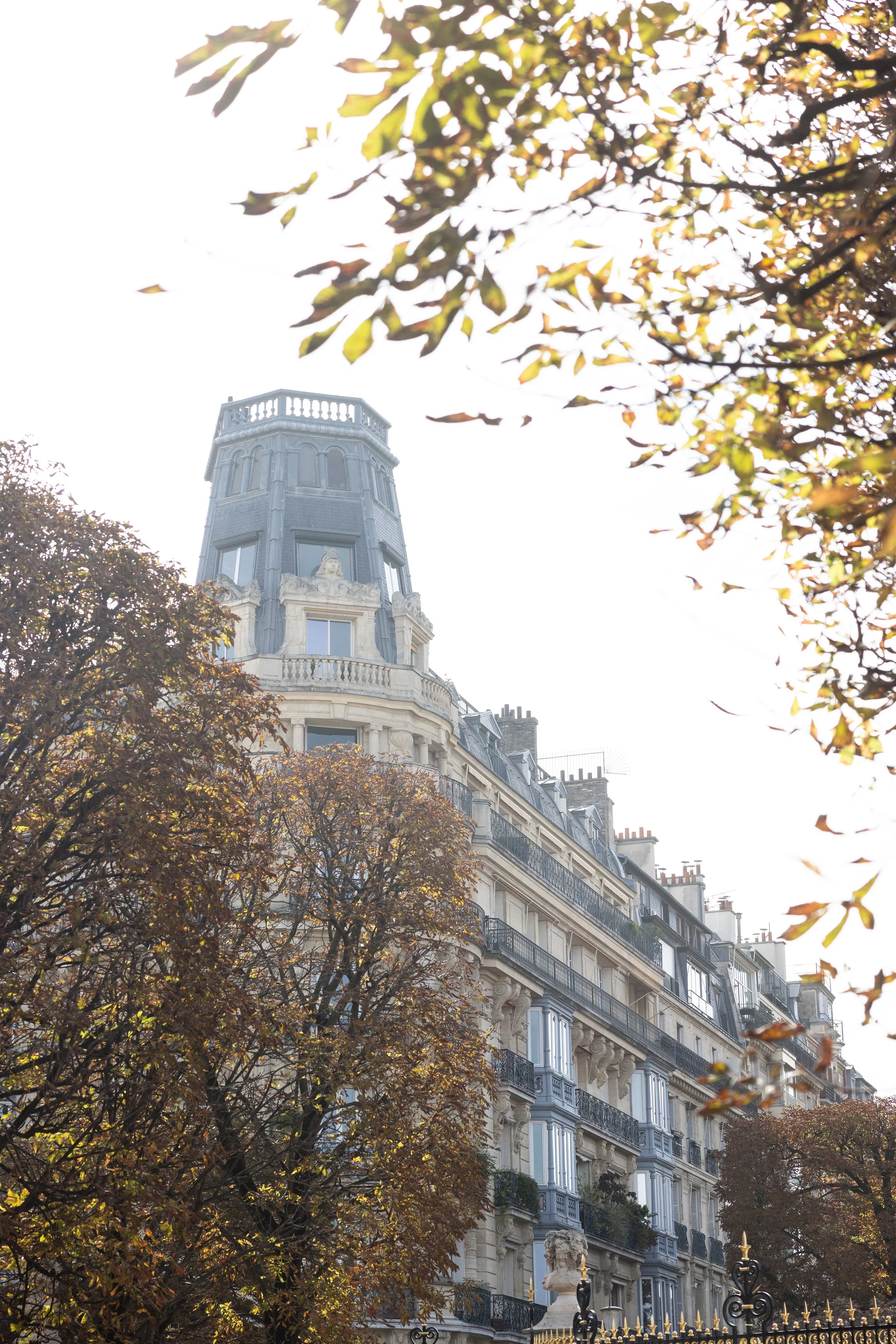
1. The Dennon Wing of the Louvre | 2. Rue Aubriot in the Marais quarter, the 4th arrondissement of Paris | 3. Temple station Art Deco metro sign on Rue du Temple | 4. Rue Auguste Comte as viewed from Jardin du Luxembourg
PLANNING YOUR VISIT
DINING
Brasserie Flottes
Opposite the Tuileries Gardens, Chez Flottes is a family-owned Art Nouveau brasserie with captivating period details. Stained glass, dark wood paneling, and warm lighting give the space an inviting, intimate feel. The menu features classic French brasserie dishes. I ate here several times, it was that good! And on my third visit to Paris, the first thing I did after booking my flight and accommodations was to reserve a table here. Both the duck confit and the roast free-range chicken with mashed potatoes and a heavenly gravy are excellent. Laura agreed that this was the best meal we had the entire trip.
Location: 2 Rue Cambon
Café Renoir
Located inside the Jardins Renoir in Montmartre, Café Renoir is styled as a winter garden which serves a seasonal snack menu in a tea room setting, with tables inside or in the garden. Paid admission to the gardens is required to visit the café, but I found stopping for a glass of wine in the beautiful garden to be a calm break from the tourist bustle of Montmartre.
Location: 12 Rue Cortot
Mokus l'Ecureuil
While pizza might seem an odd choice for a Paris meal, this place near the Trocadéro has a hip vibe and very unique pizza offerings.
Location: 116 Avenue Kléber
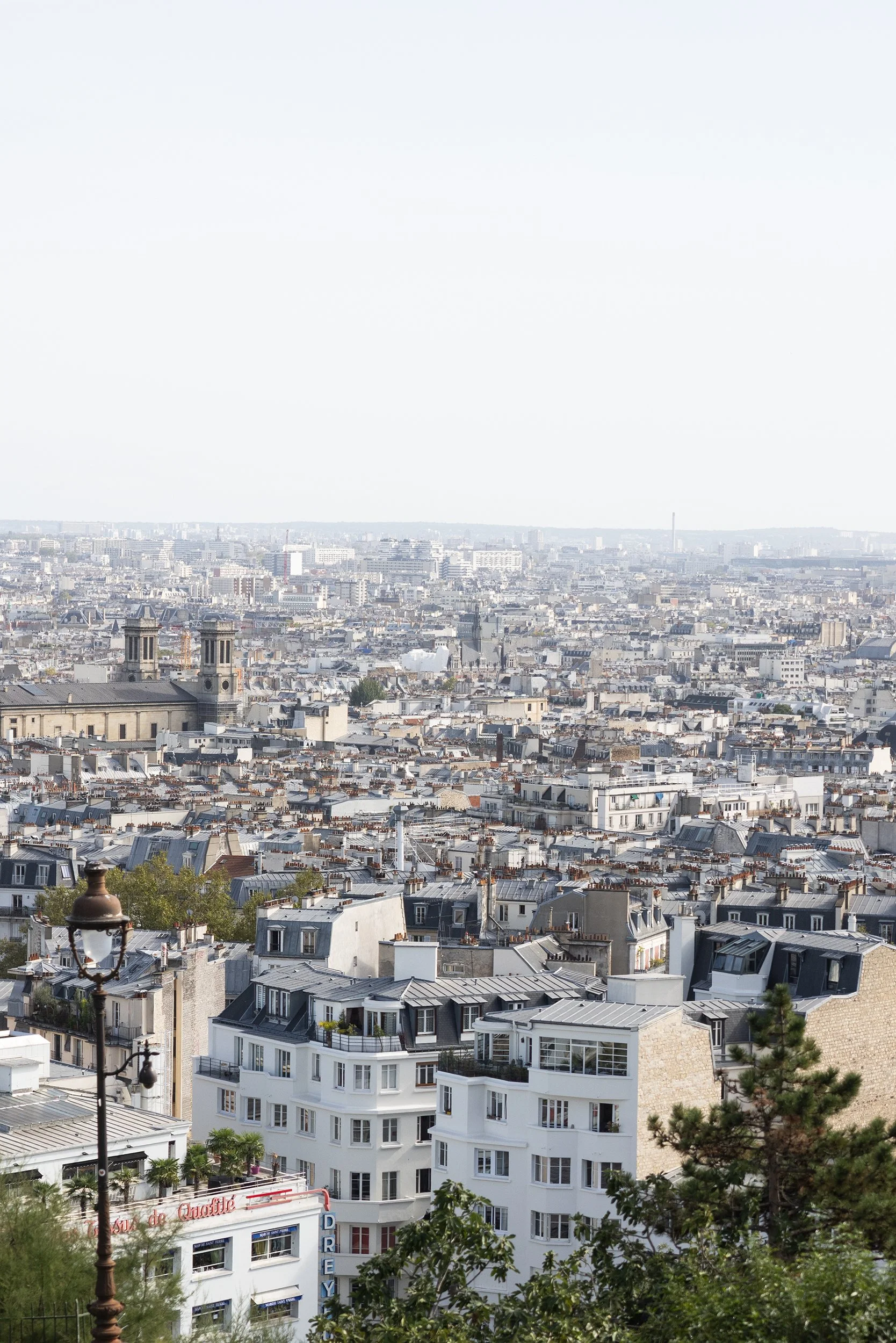
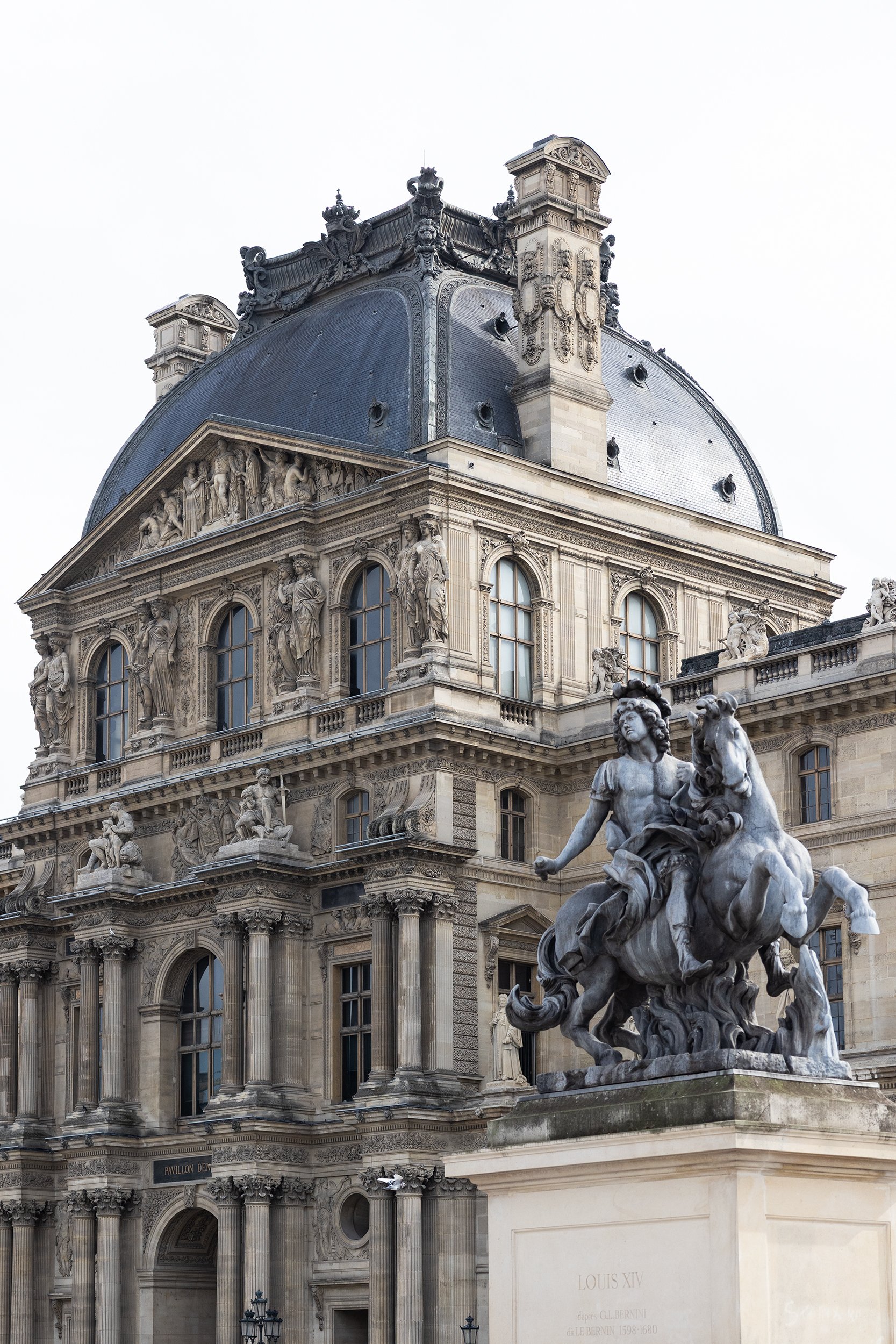
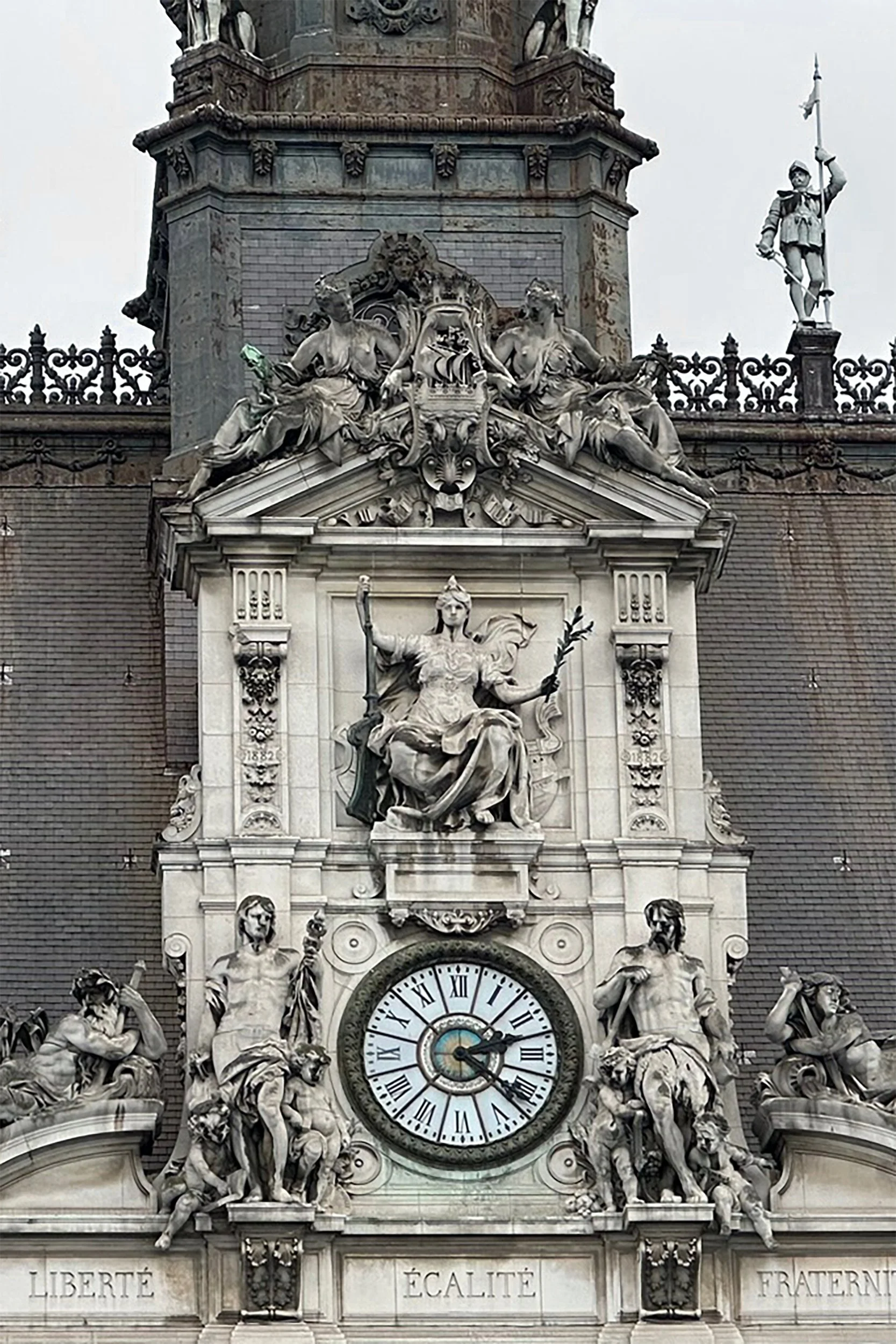
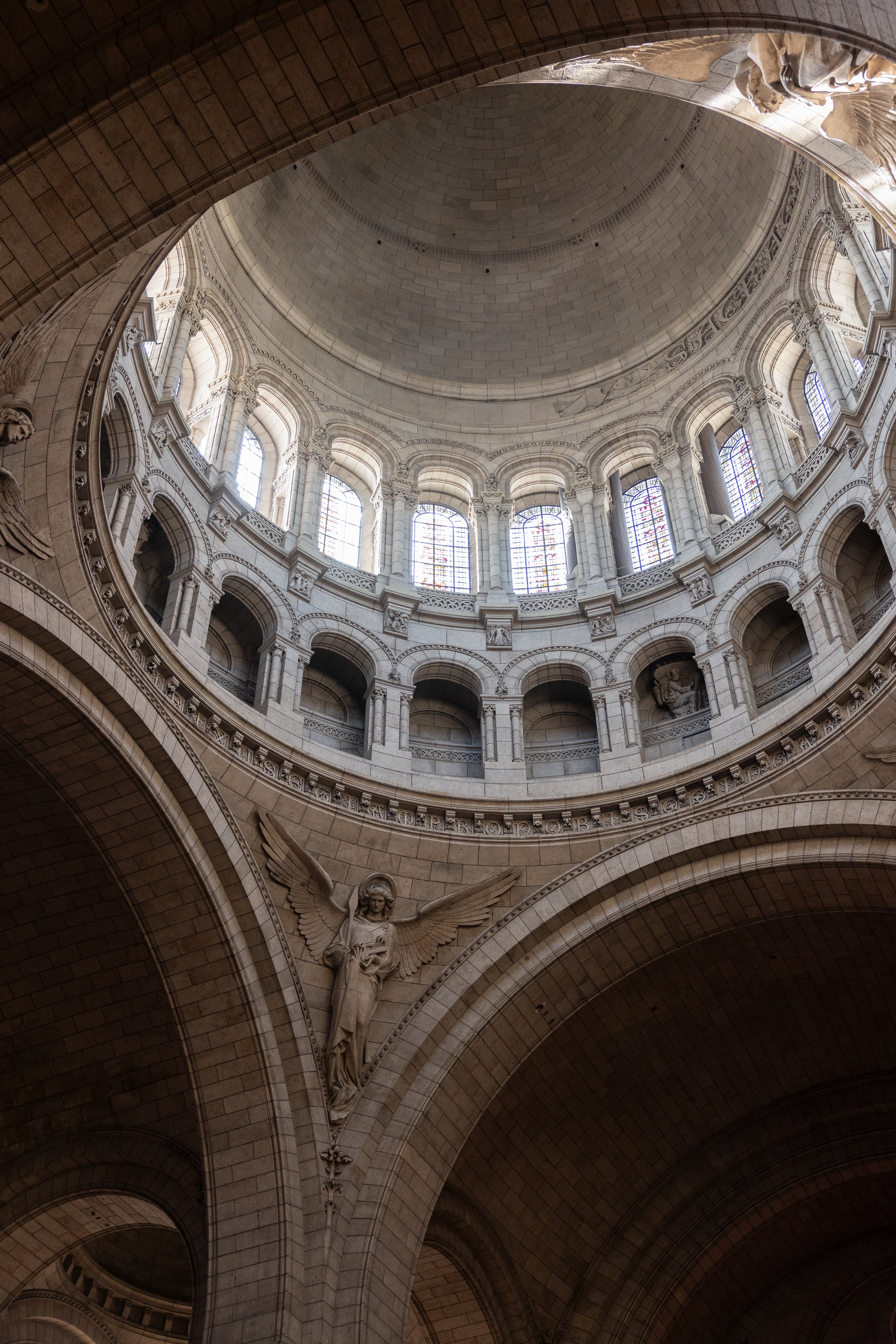
1. View of Paris from the Sacré-Couer in Montmartre | 2. Pavillon de l'Horloge at the Louvre Museum | 3. Hôtel de Ville, city hall of Paris, on the Place de l'Hôtel-de-Ville – Esplanade de la Libération in the 4th arrondissement - photo by Laura Woodard | 4. The dome of the Basilique du Sacré-Coeur in Montmartre
SHOPPING
Astier de Villatte
Visiting Astier de Villatte was one of my only shopping priorities this Paris trip, and Laura insisted on visiting on my third trip. This absolutely beautiful handcrafted ceramics boutique can only be described as elegantly quirky-chic.
Location: 173 Rue Saint-Honoré
Musée de Montmartre Boutique
Postcards, books, art prints, and souvenirs related to Montmartre's artistic history. Located inside the Musée de Montmartre.
Location: 12 Rue Cortot
Sacré Coeur Shop
Located inside the Sacré-Coeur Basilica, this very busy shop offers religious icons, crosses, note cards, nativity scenes, and the cutest variety of small hearts made of metal, which I chose to use as ornaments for my Christmas tree.
Location: 35 Rue du Chevalier de la Barre
Shakespeare and Company
An English-language bookshop located on the banks of the Seine, opposite Notre-Dame.
Location: 37 Rue de la Bûcherie
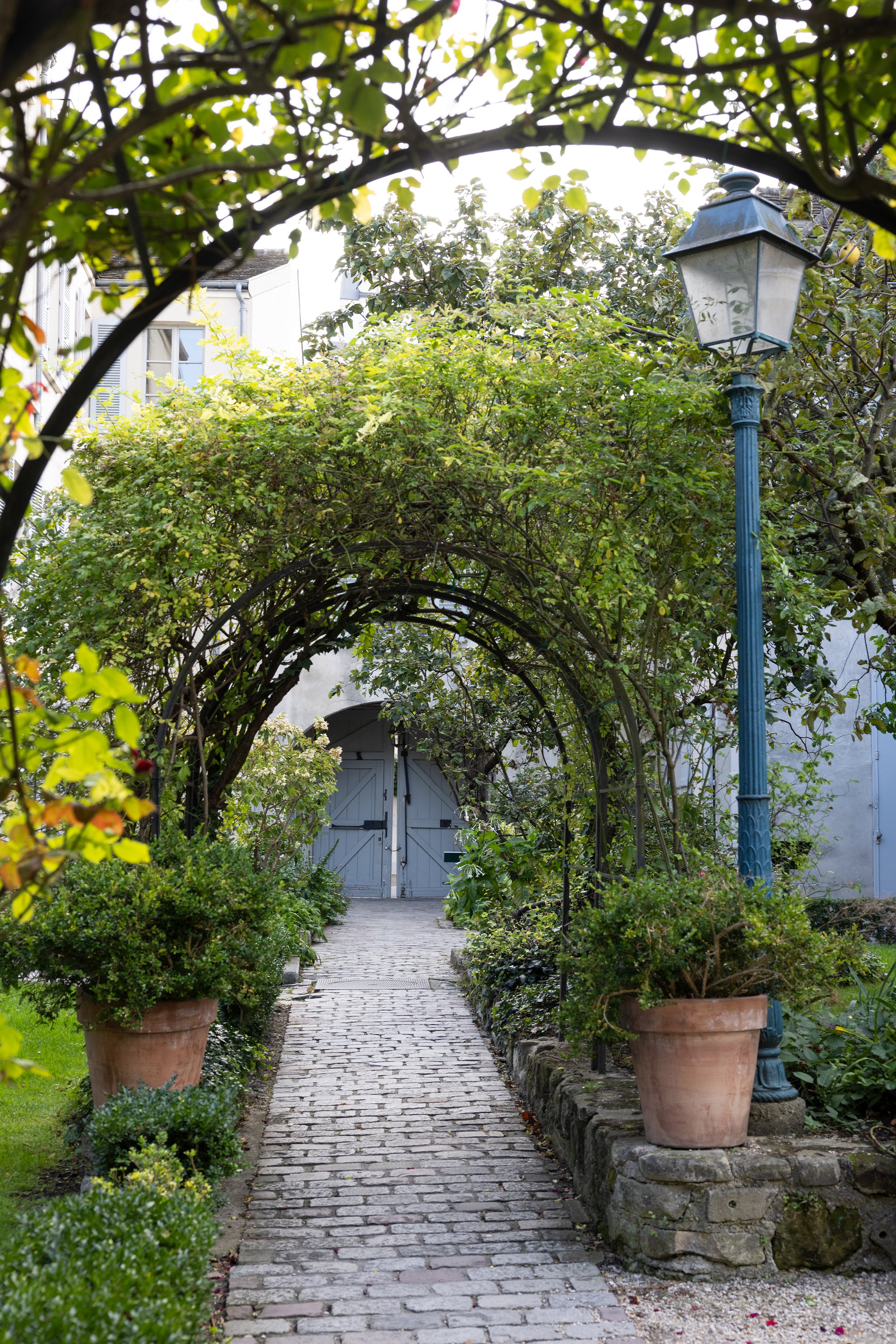
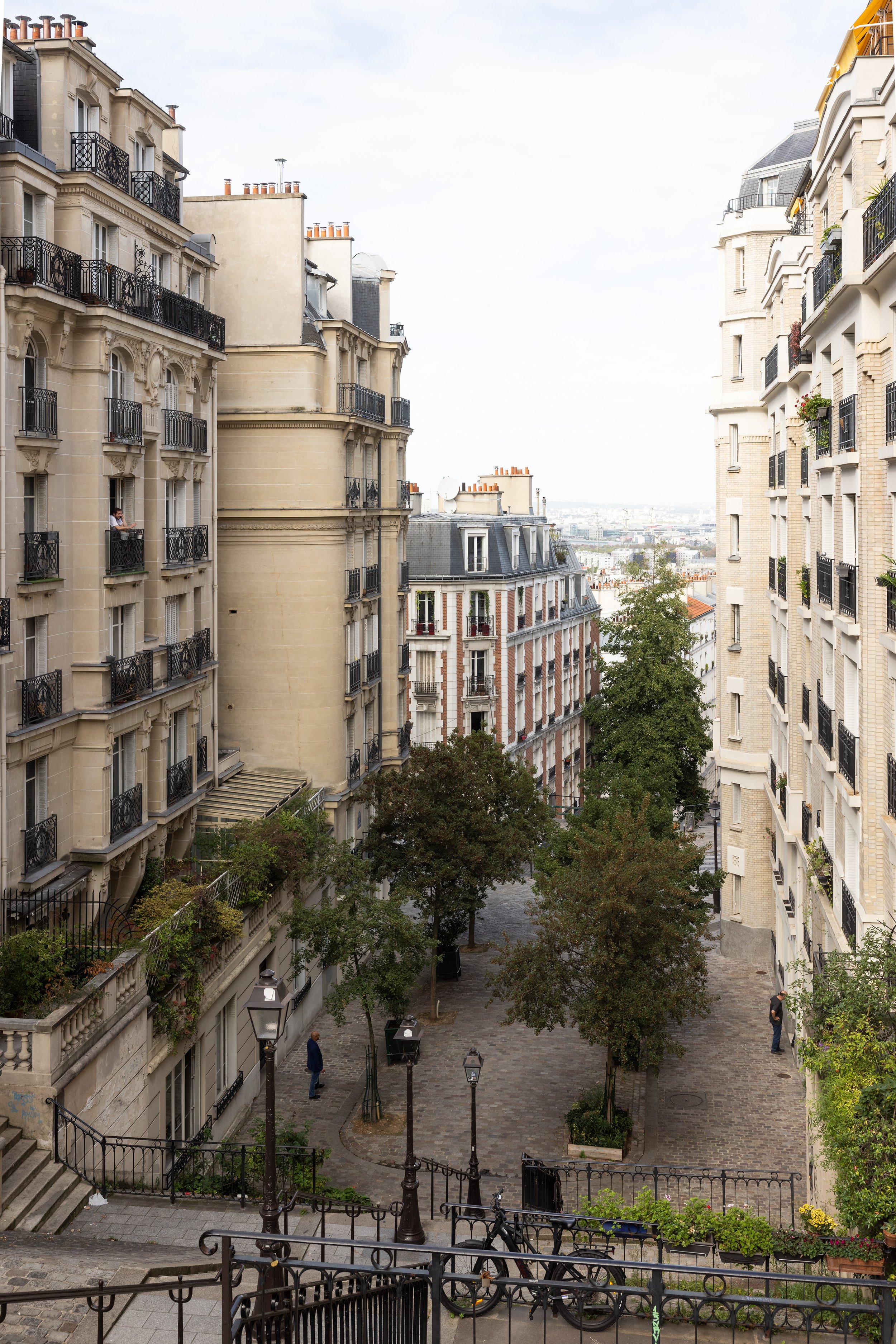
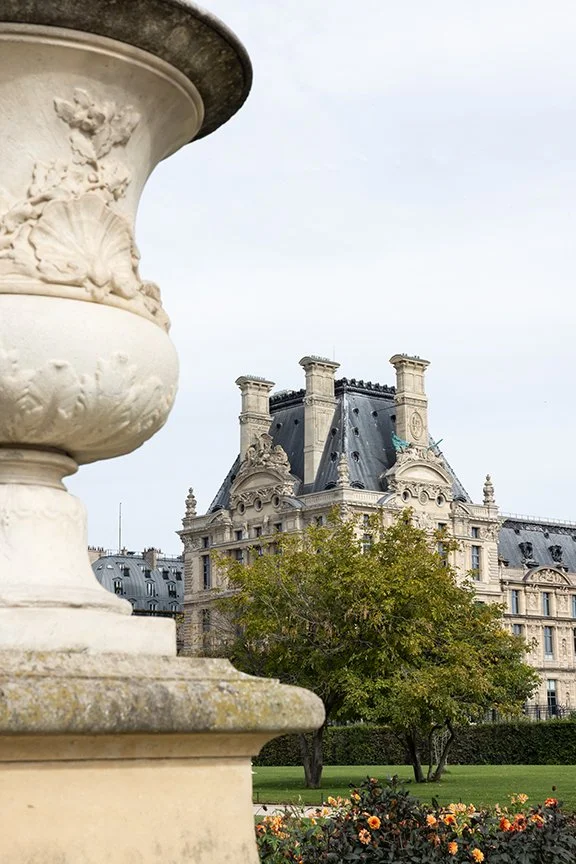
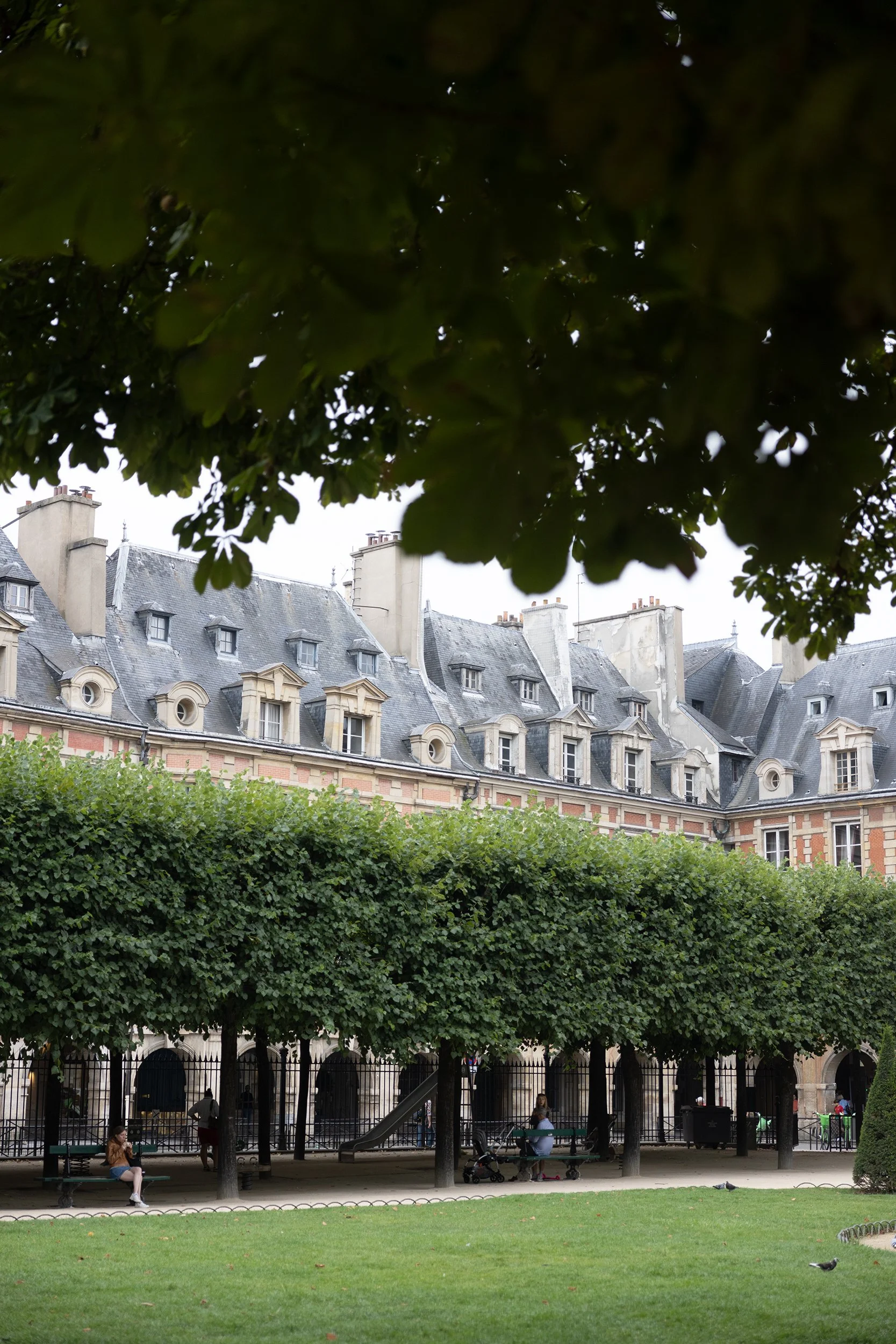
1. Jardins Renoir in Montmartre | 2. Rue du Mont Cenis stairway in Montmartre | 3. The Louvre Museum and Jardin des Tuileries | 4. Place des Vosges in the Marais
ACCOMMODATIONS
Hôtel du Louvre, in The Unbound Collection by Hyatt
With bright and modern rooms, Hôtel du Louvre is ideally located between the Louvre Museum and the Opéra Garnier. Our room overlooked the Louvre, and we had a spectacular view of a flyby down Rue de Rivoli by the French Air Force Elite acrobatic flying team Patrouille de France jets.
Location: Place André Malraux
GENERAL INFORMATION
Languages Spoken: French, although almost everyone speaks English. Be sure to ask, parlez-vous anglais? (do you speak Engligh?). A friendly bonjour (hello) goes a long way when entering shops.
Currency: Euro (€)
Restaurant Tipping: Tipping at restaurants is not expected but appreciated. Simply round up to the nearest euro and be prepared to tip in cash.
Taxi Tipping: For a typical ride, round up to the next euro on the fare.
TOURISM INFORMATION
Paris je t'aime - Tourist Office
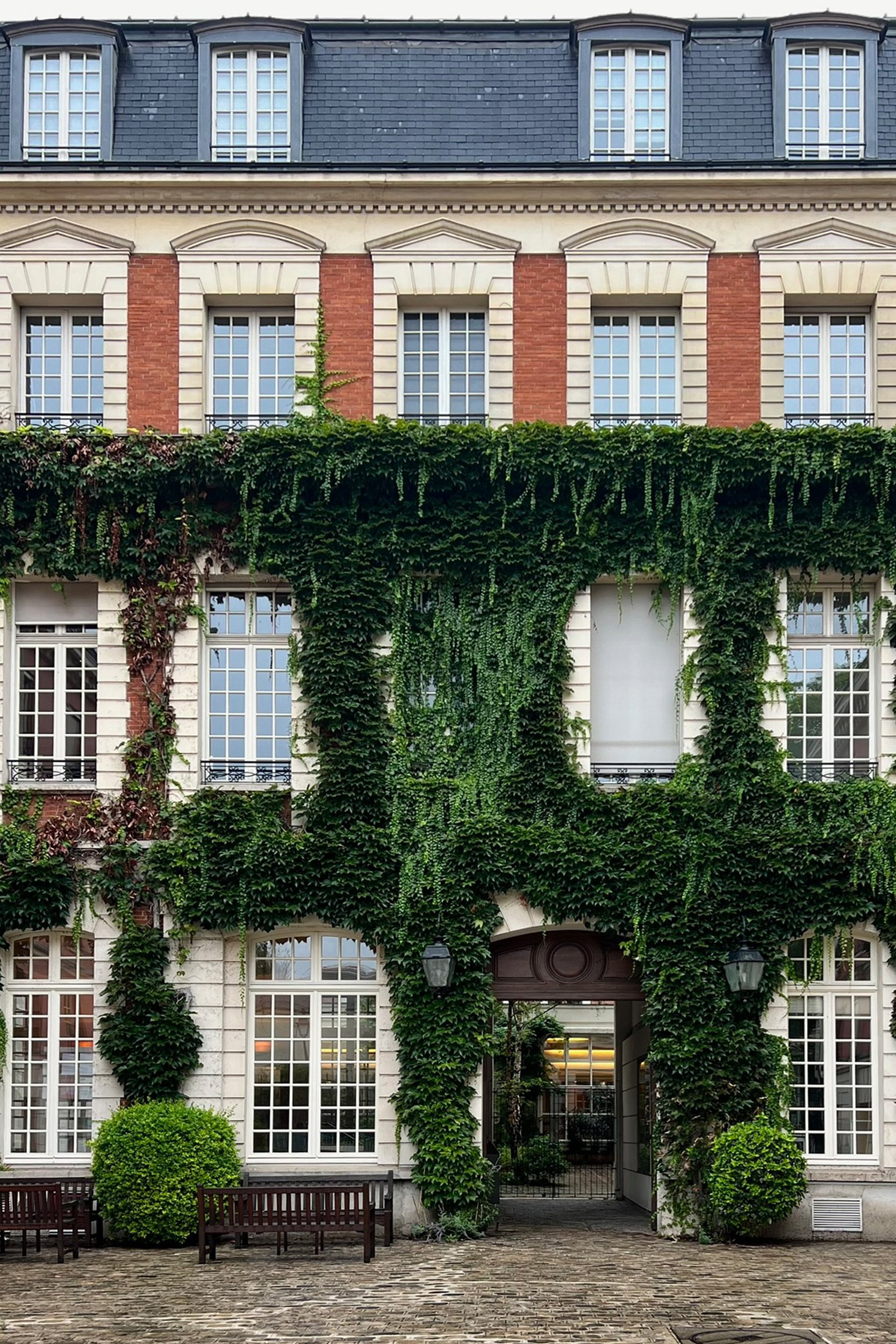
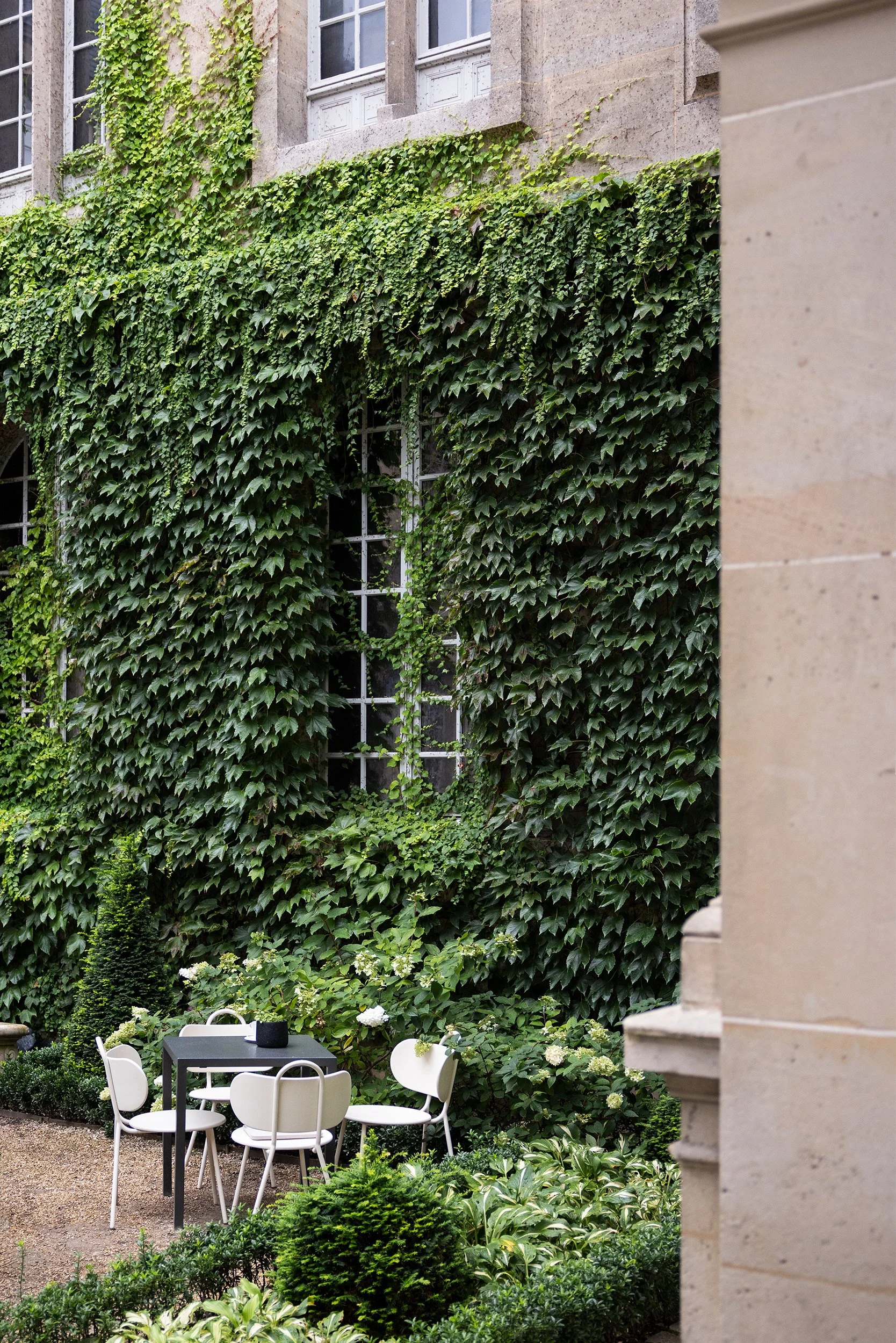
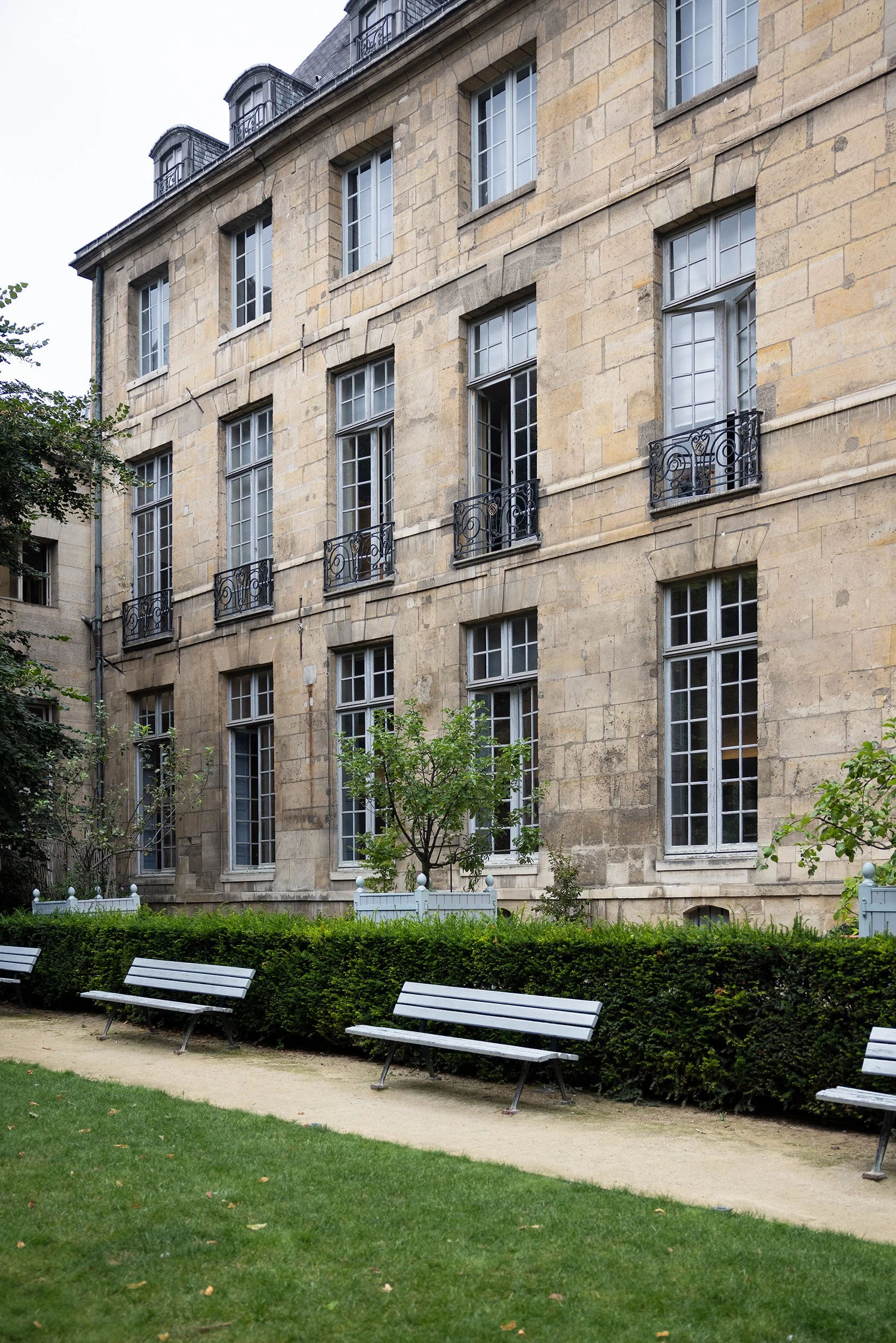
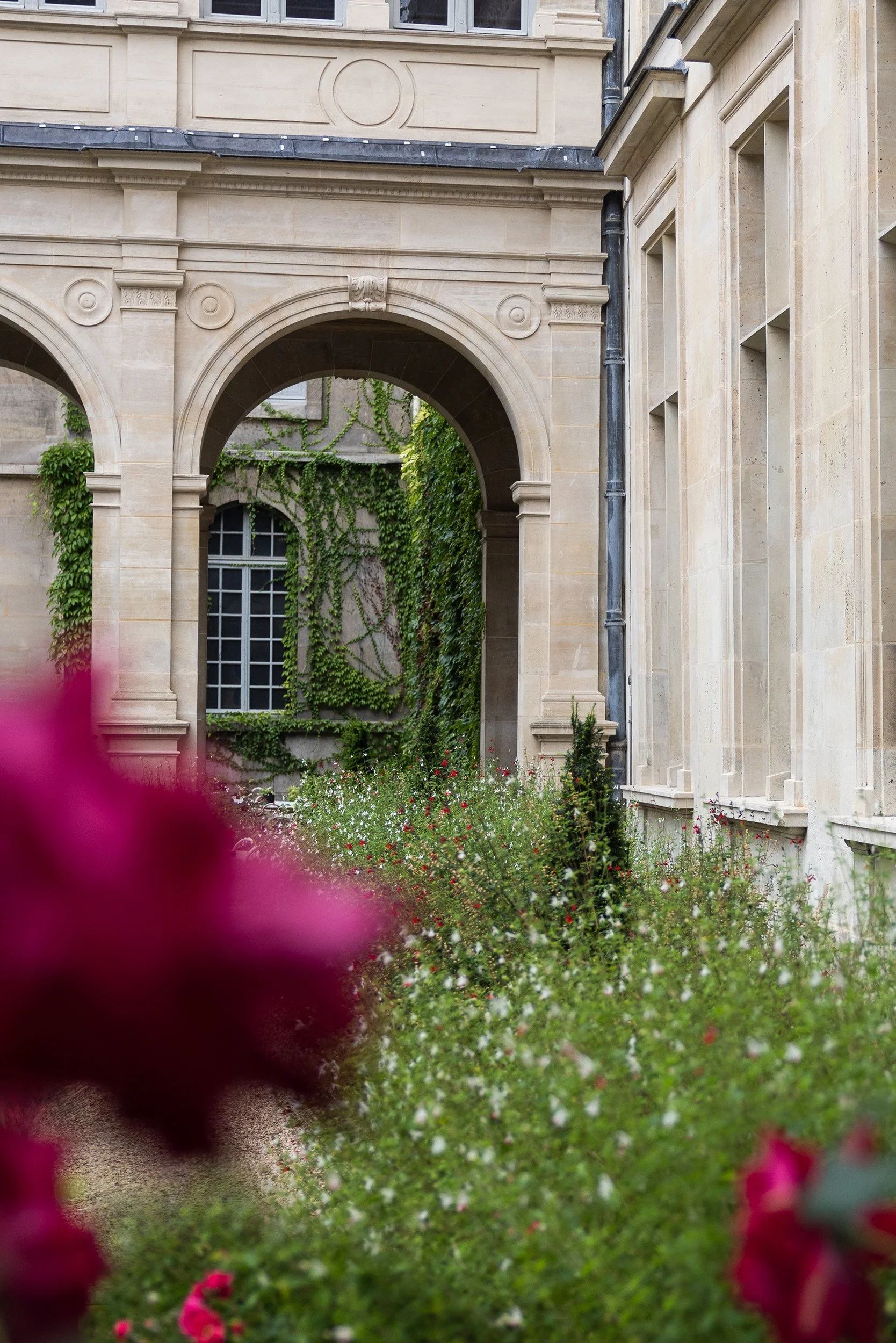
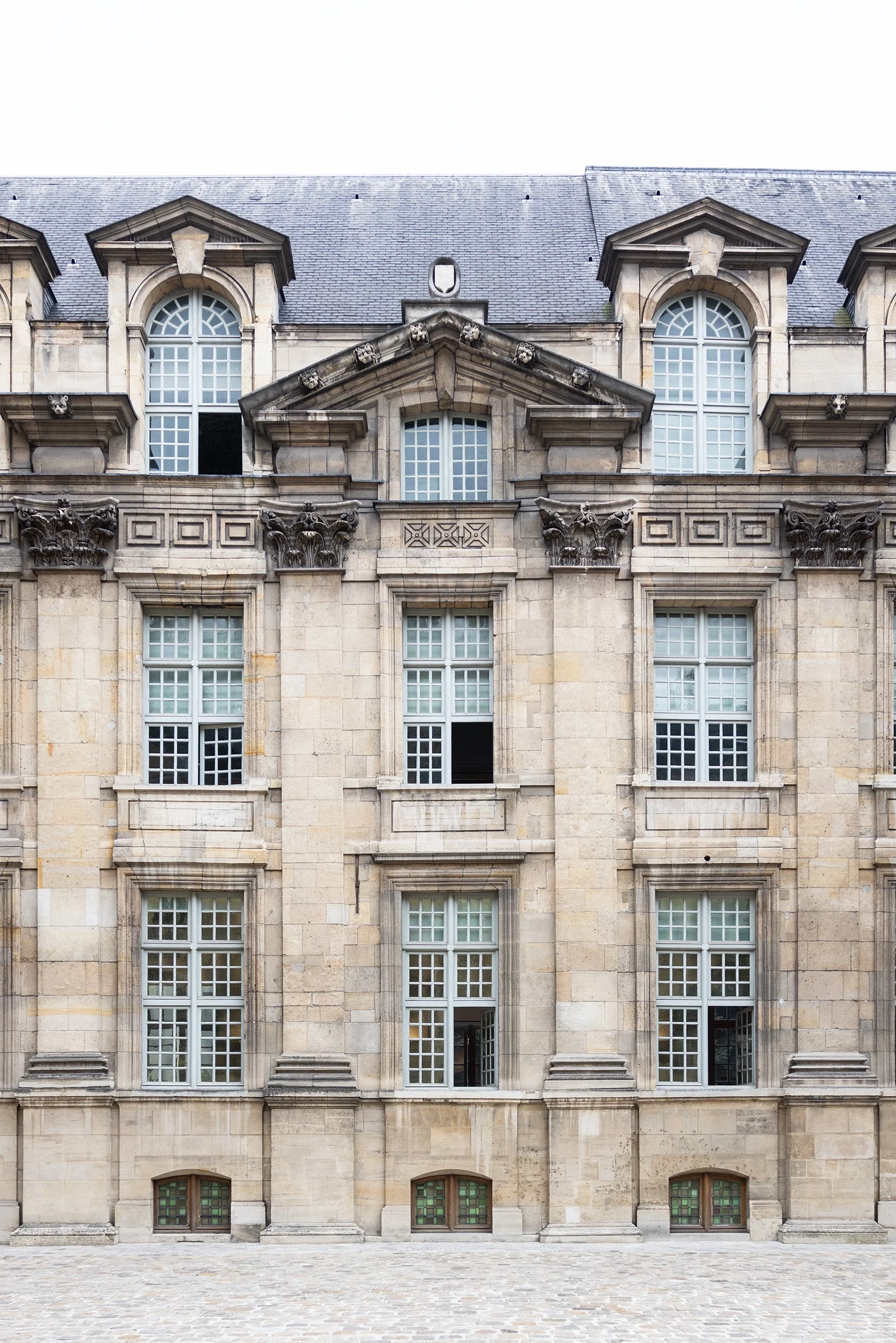
1. Hôtel Duret-de-Chevry, one of the last brick-and-stone style hotels from the reign of Louis XIII, in the Marais district at 8 Rue du Parc Royal - photo by Laura Woodard | 2. Musée Carnavalet, on Rue de Sévigné, in the heart of the historic Marais district | 3. Hôtel de Lamoignon, on Rue Pavee in the Marais district, now home to theBibliothèque Historique de la Ville de Paris, which is the Historical Library of the City of Paris | 4. Musée Carnavalet
HOW DID WE TRAVEL?
SECOND TRIP TO PARIS
FLIGHT
JetBlue: Coach from Orlando to New York JFK, and Mint Suites business class lie-flat seat from JFK to Paris CDG for $1050 each way, booked through American Express Travel with my Business Platinum card using points, which offers a 35% discount on booking flights with your preferred airline using miles. So the total came to 136,500 American Express points and $0 in cash.
JetBlue’s Mint Suites are very nice. The metal they fly is a narrow body, so that felt a little small, but the seat configuration is one/one. Huge in-flight entertainment screen and some of the best business class meals I’ve ever had.
LOUNGES
Orlando MCO: The Club at MCO - used Priority Pass for free access.
New York JFK: American Express Centurion Lounge - used American Express Platinum card for free access. This required a terminal change and another security check. This Centurion Lounge features the 1850 Speakeasy Bar, a hidden, Prohibition-era-inspired cocktail lounge tucked away behind a copper-paneled wall near the main bar on the bottom floor. I wanted to give that a try, and I had extra time, so clearing security again was the trade-off.
ACCOMMODATIONS
The Westin Vendome: free using 50,000 Marriott points redemption for each night. Note: The Westin Vendome is now closed for renovations and is no longer a Marriott property.
____
THIRD TRIP TO PARIS
FLIGHT
American Airlines: Flagship business class lie flat seats for 110,000 miles PP RT plus $152 in taxes from Orlando MCO to Paris CDG with a layover in Charlotte CLT.
LOUNGES
Orlando MCO: The Club at MCO - used Priority Pass for free access
Orlando MCO: American Airlines Admirals Club - used business class ticket for free access
Charlotte CLT: American Express Centurion Lounge - used American Express Platinum card for free access
Paris CDG: Extime Lounge - used business class ticket for free access
Charlotte CLT: American Airlines Admirals Club - used business class ticket for free access
ACCOMMODATIONS
Maison Astor Paris, Curio Collection by Hilton - free using 77,000 Hilton points redemption for one night.
Hôtel du Louvre, in The Unbound Collection by Hyatt - free using 30,000 Hyatt points redemption for one night - transfer of American Express points to Hyatt.
WHAT PHOTOGRAPHY GEAR DO I USE?
Most images in this post were shot with the Canon EOS R5 Mirrorless Camera, with the Canon RF 24-70mm f/2.8 L IS USM lens. I carry a Tom Bihn backpack with a Tenba BYOB 10 Camera Insert when traveling for vacation. On larger commercial projects, I also use a Think Tank Photo Airport Roller Derby for hauling additional lenses, batteries, filters, a backup Canon EOS 5D Mark IV DSLR Camera, a 15” MacBook Pro, and external hard drives. I also own a DJI Mavic Pro Drone.
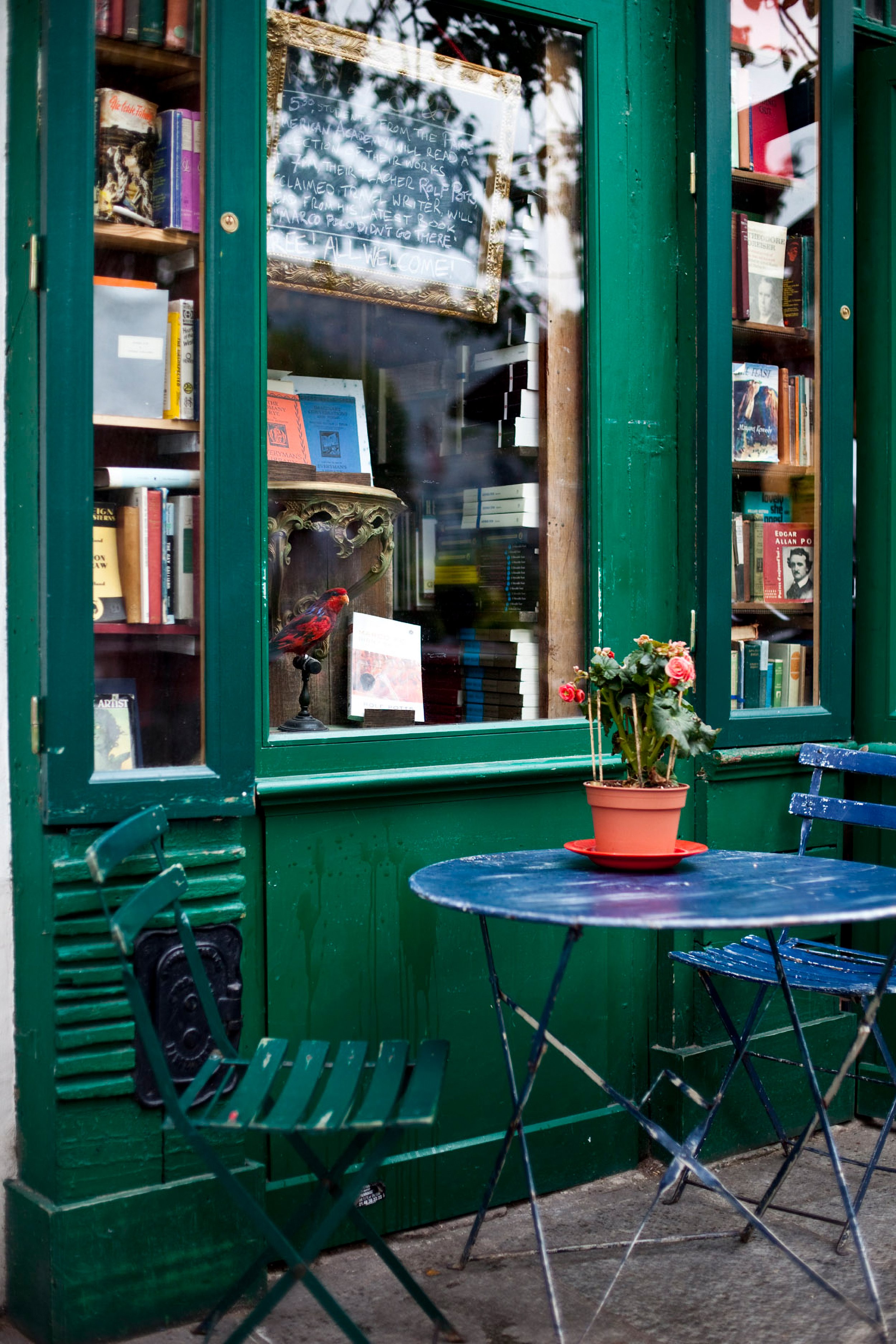
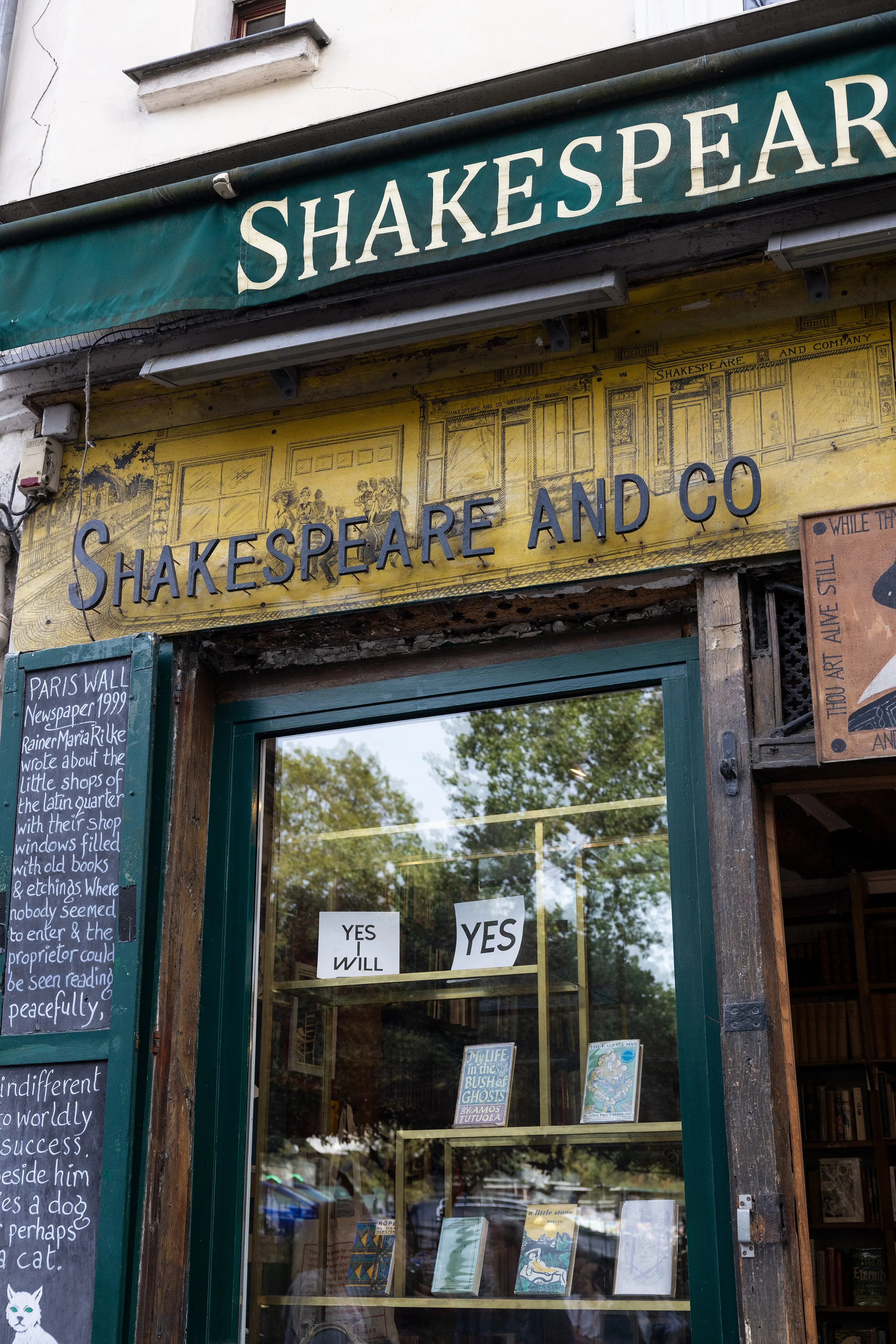
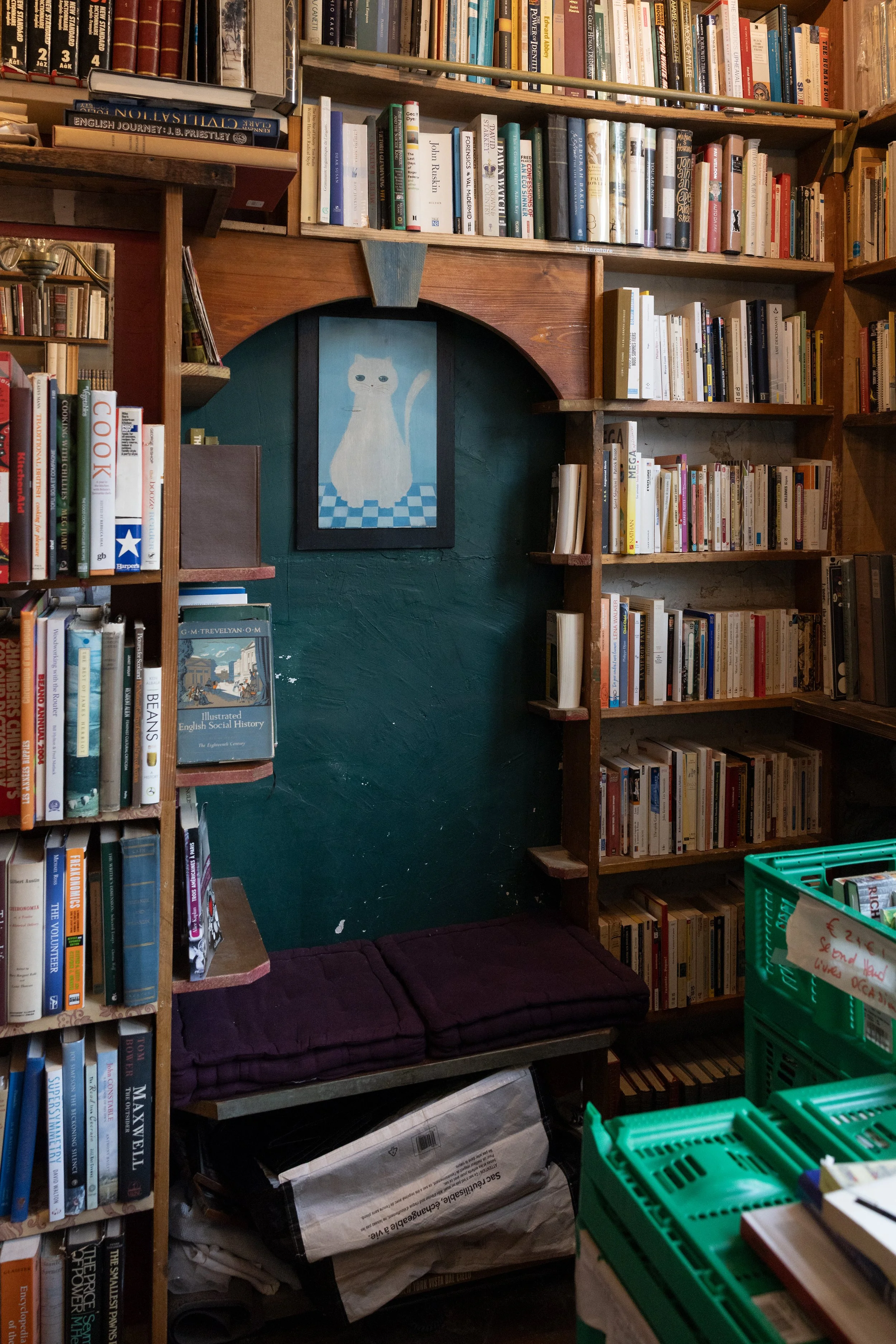
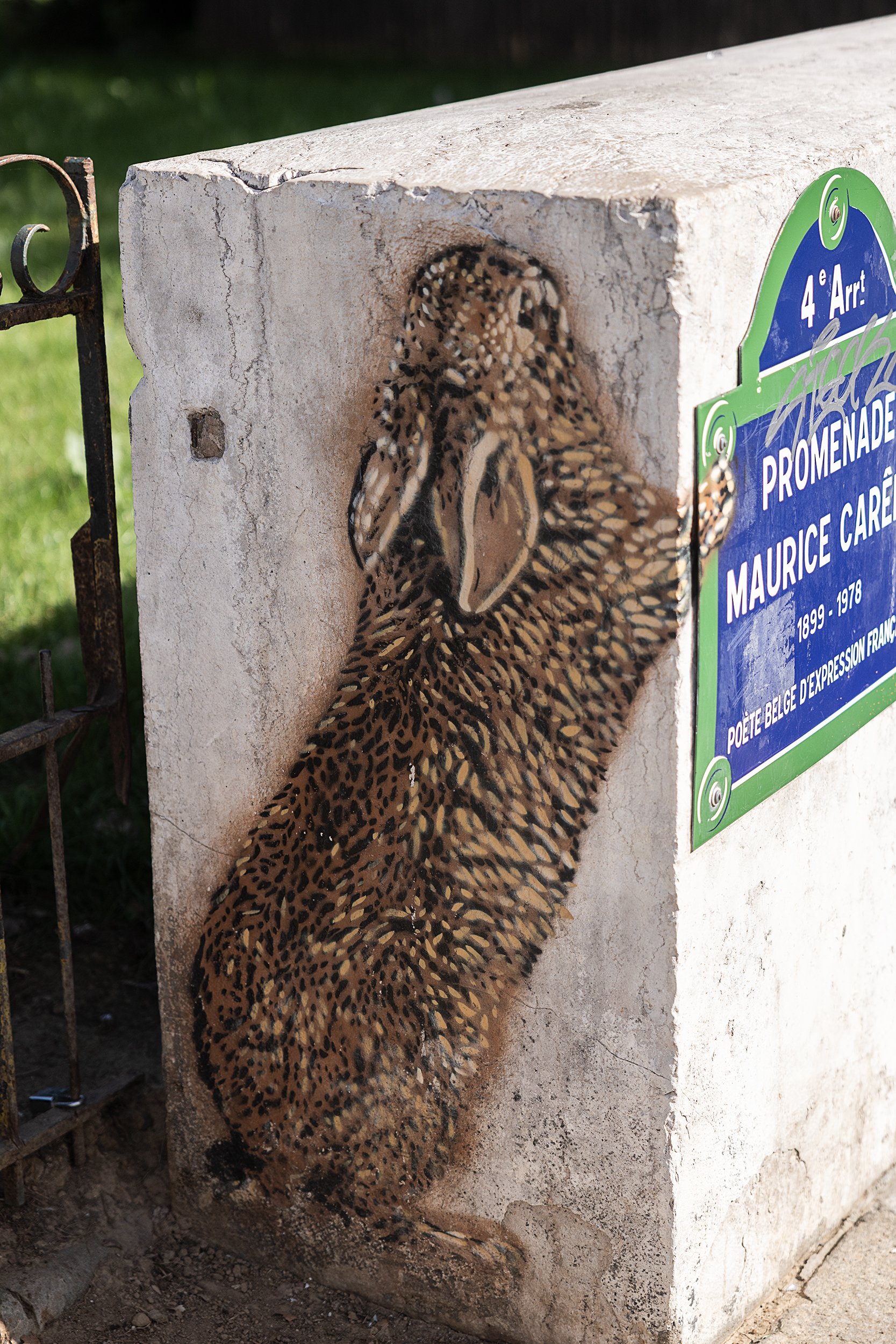
1., 2., 3. Shakespeare and Company Books | 4. Street art on Promenade Maurice Carême
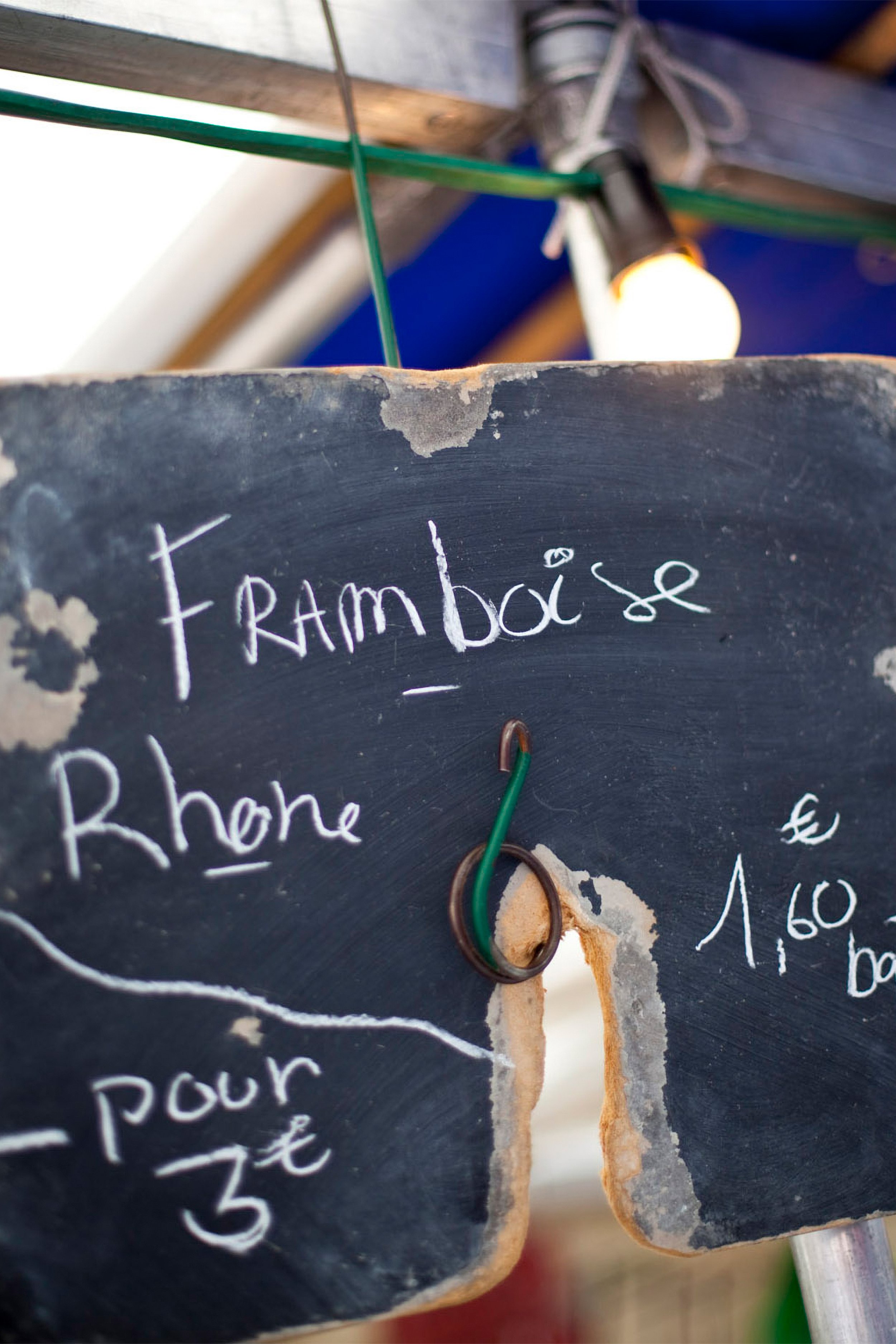
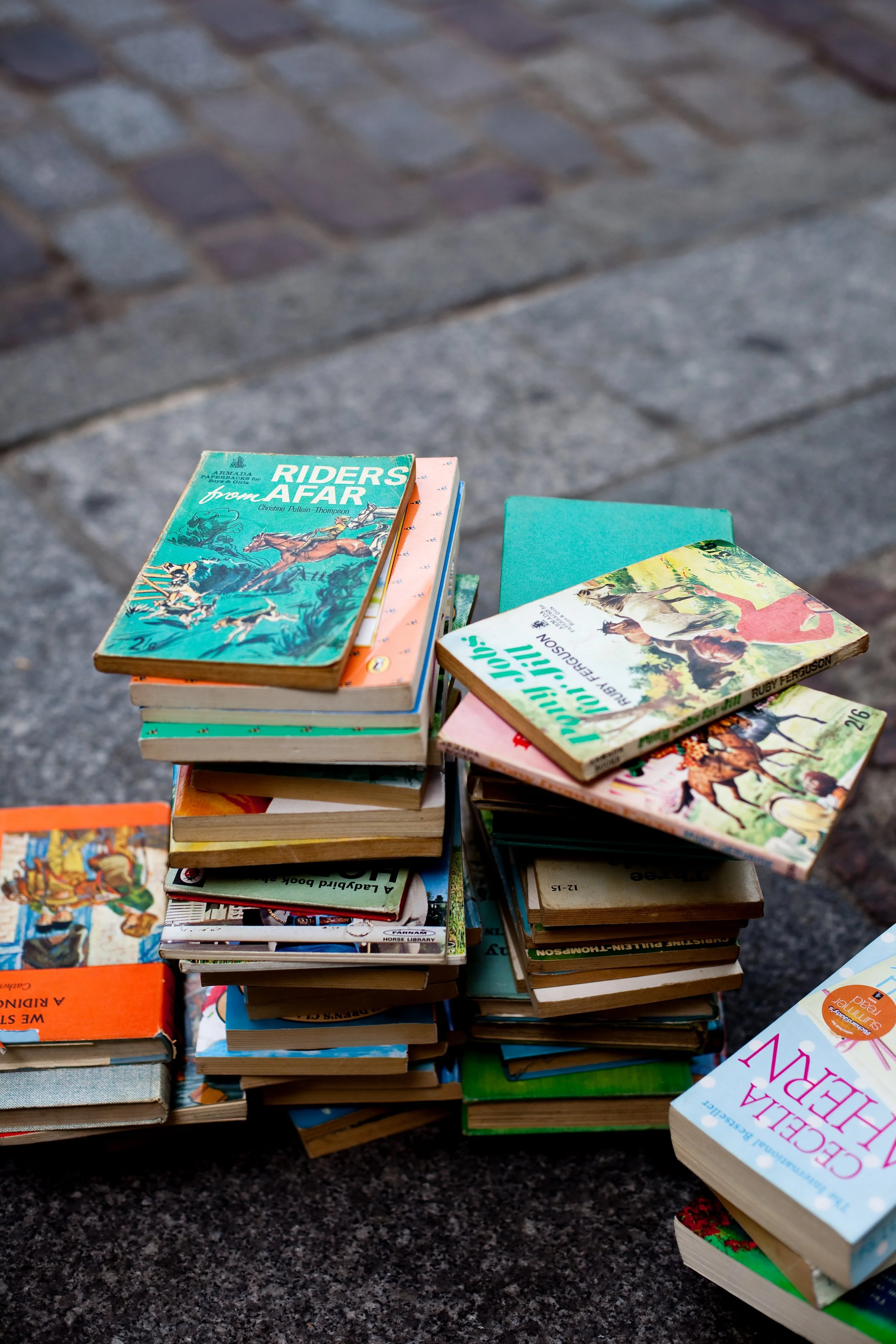
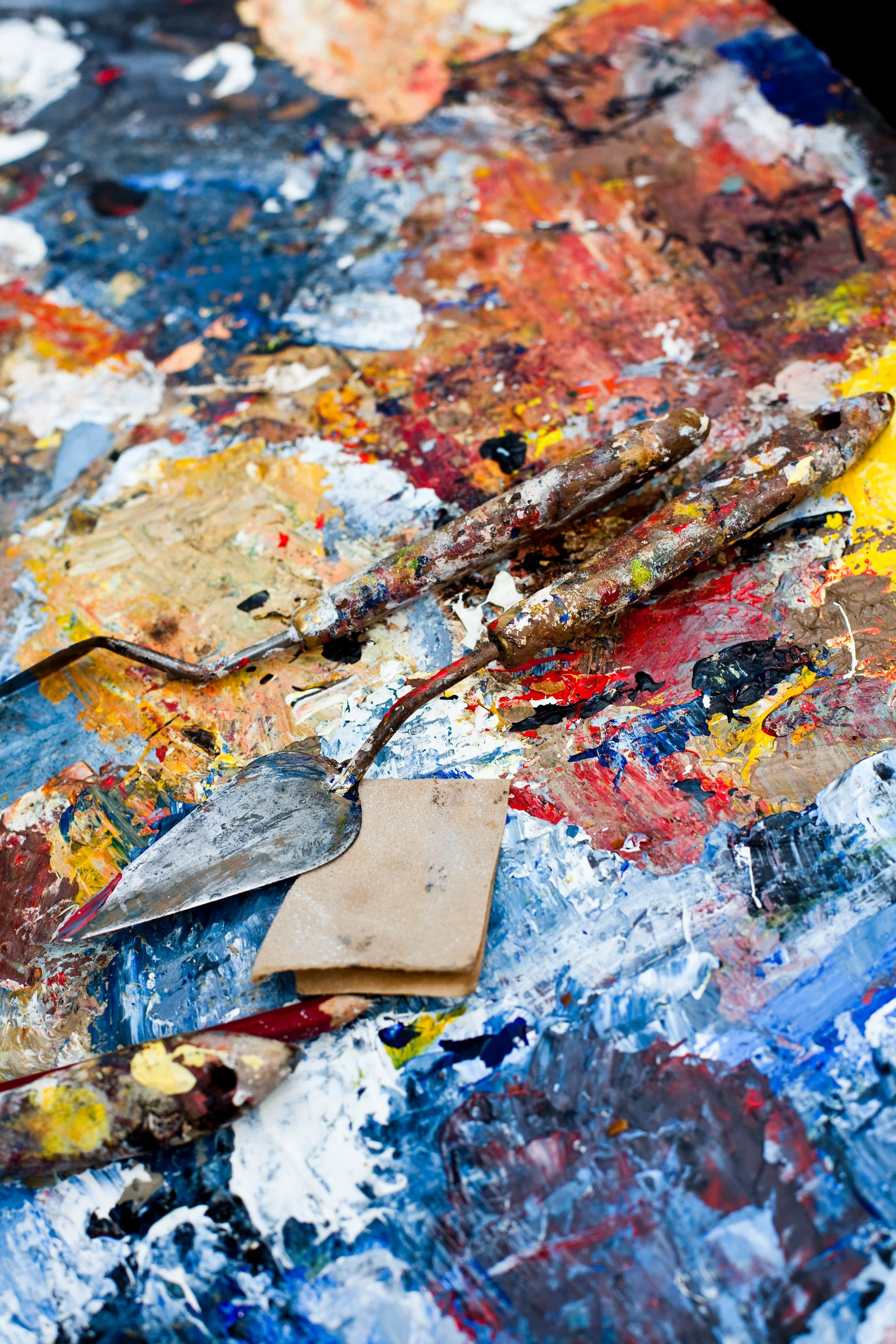
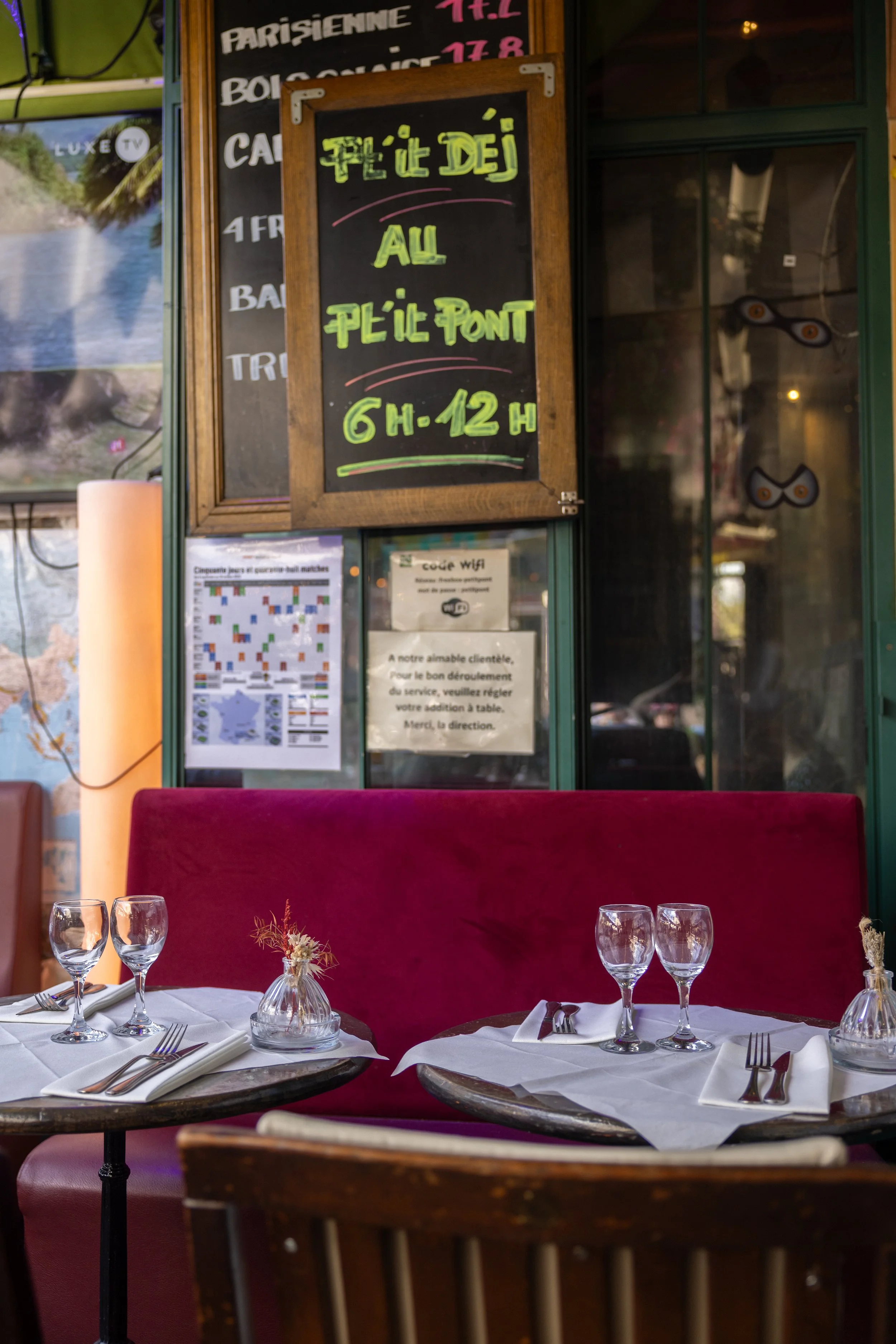
1. Market sign for a cheese seller at a street market | 2. Shakespeare and Company Books | 3. A painter's palette in Place du Tertre, Montmartre | 4. Cafe Le Petit Pont in the Latin Quarter
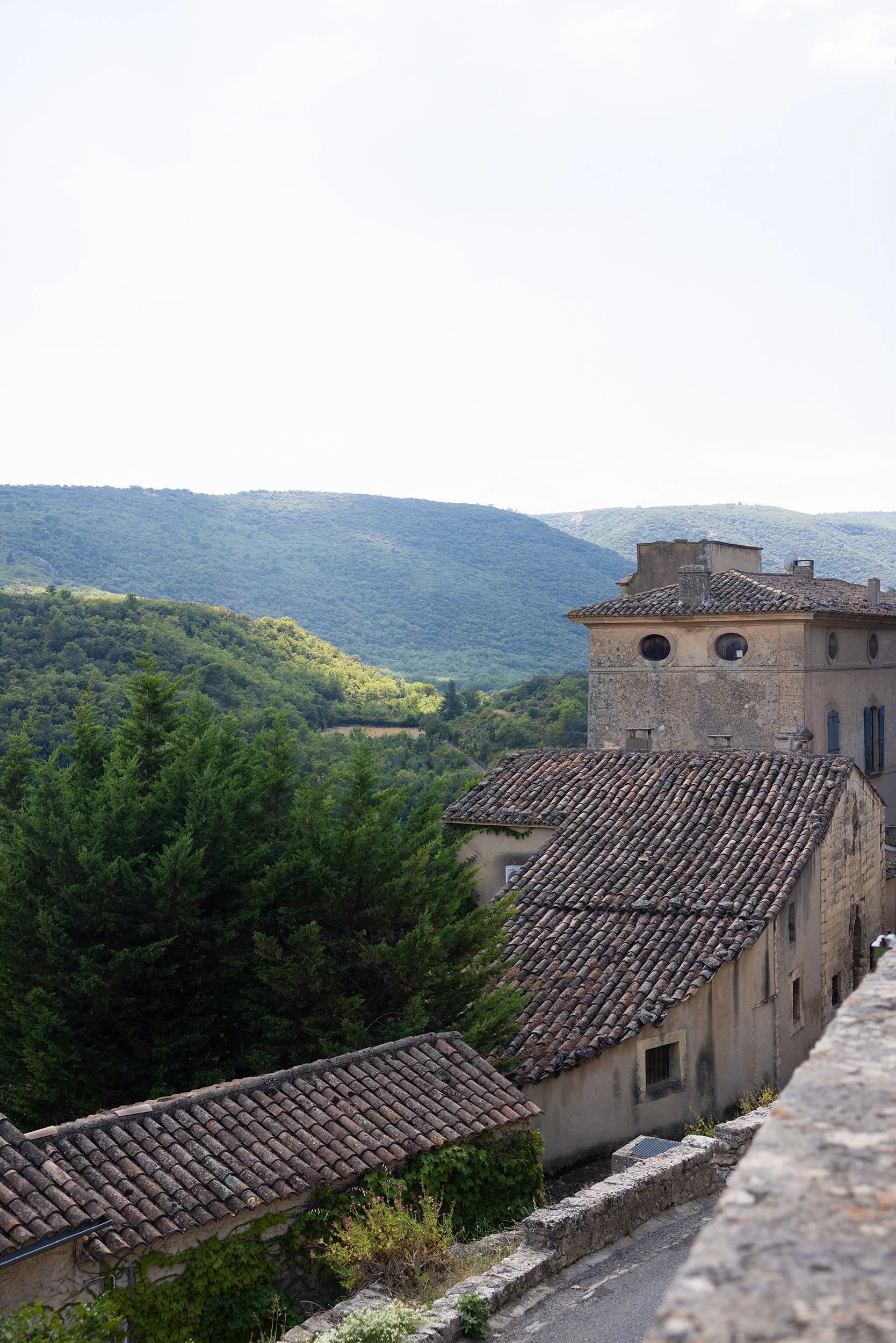
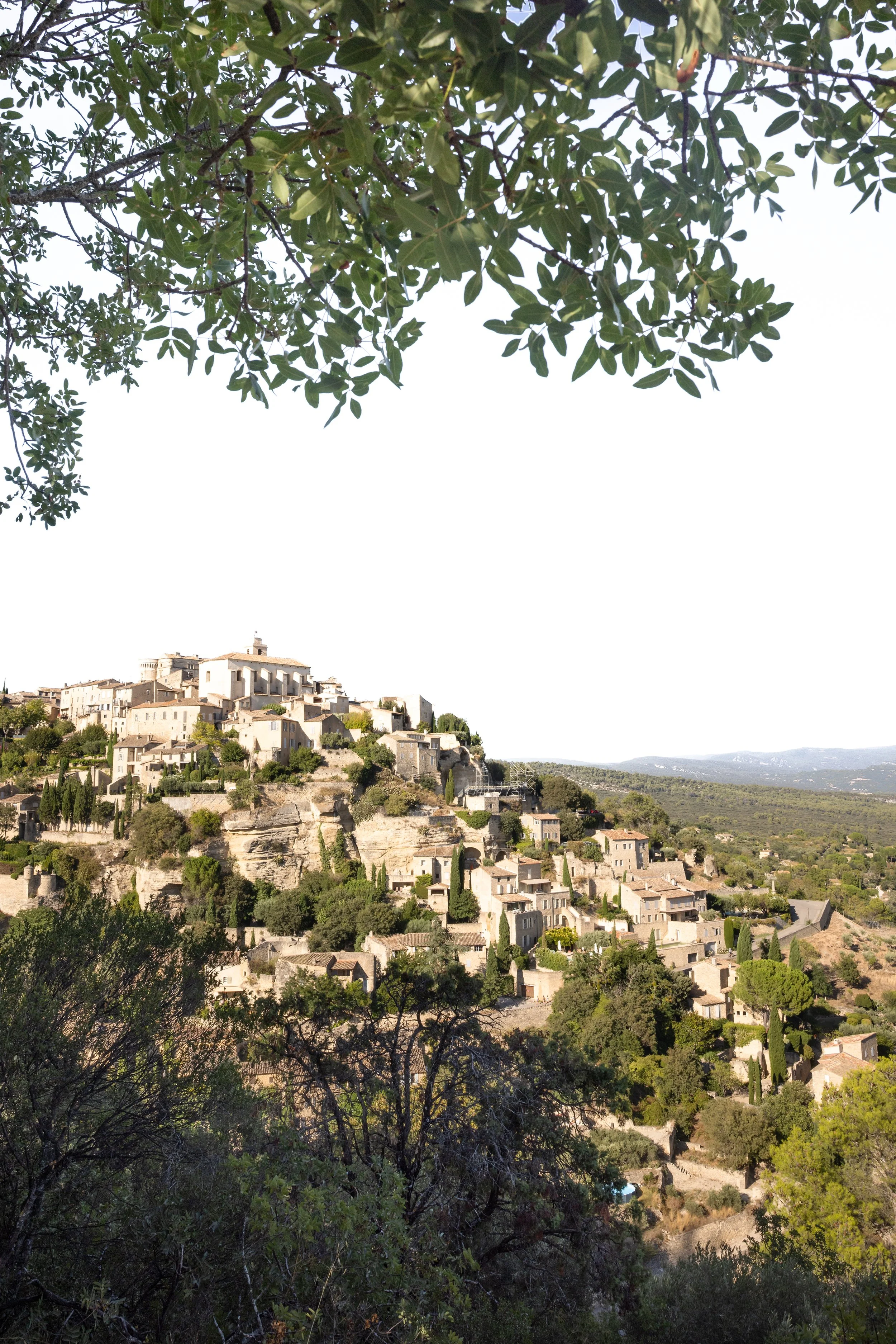
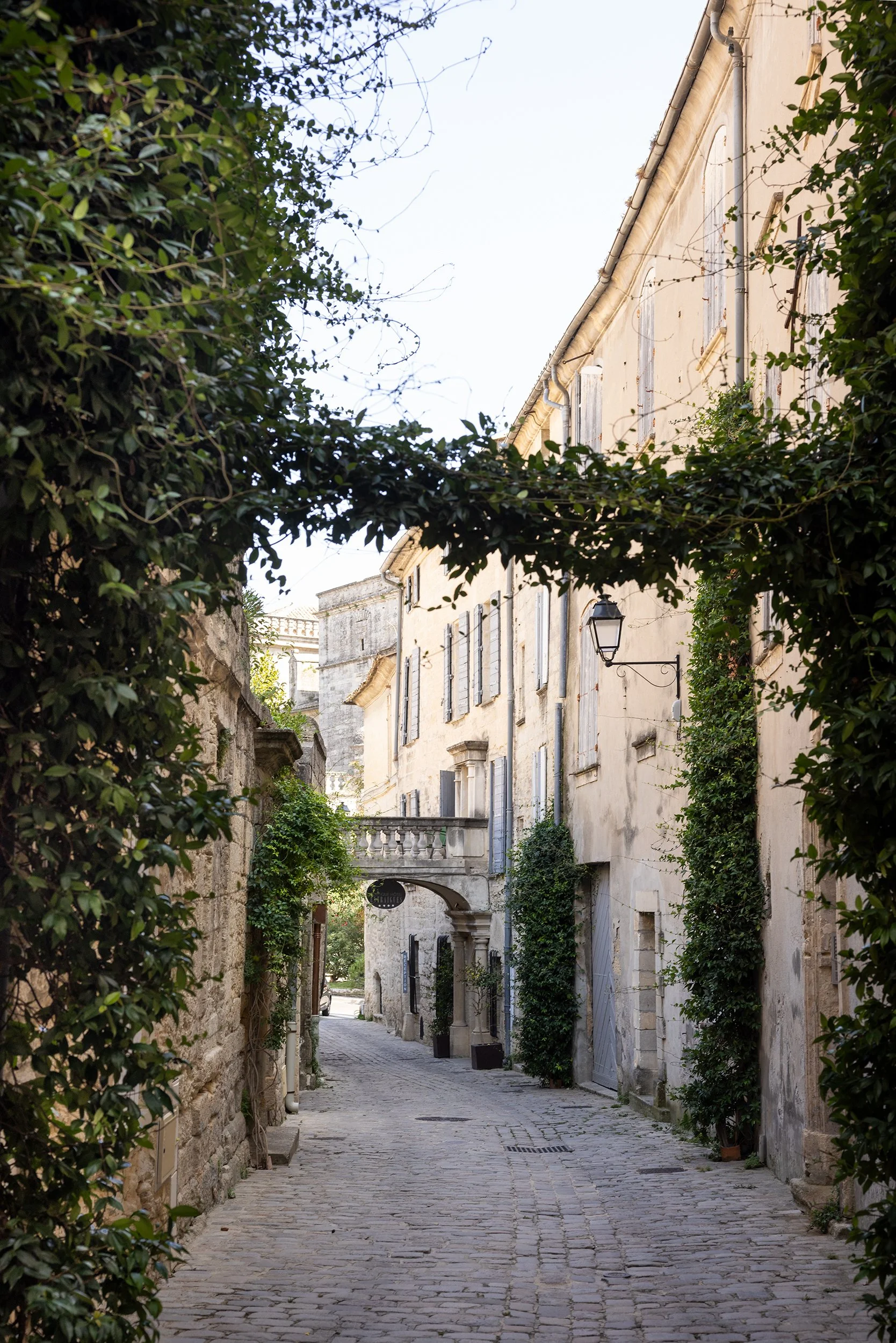


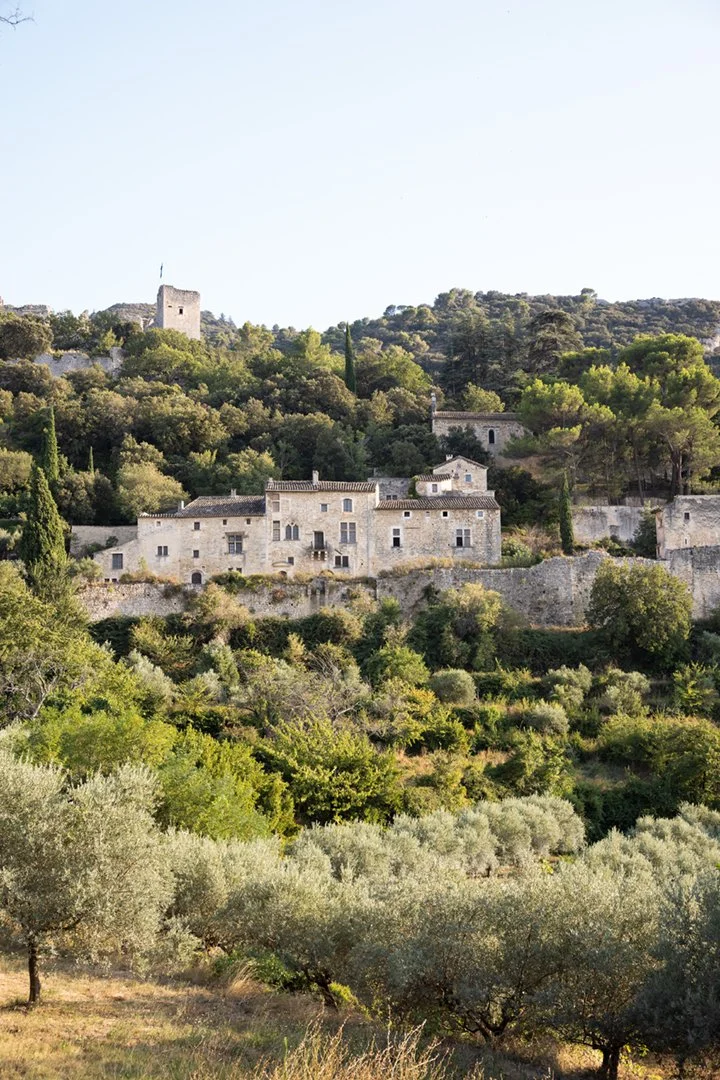


Avenue de Camoëns viewpoint, Paris, France