
The Details of Old San Juan: Colors, Textures & Time
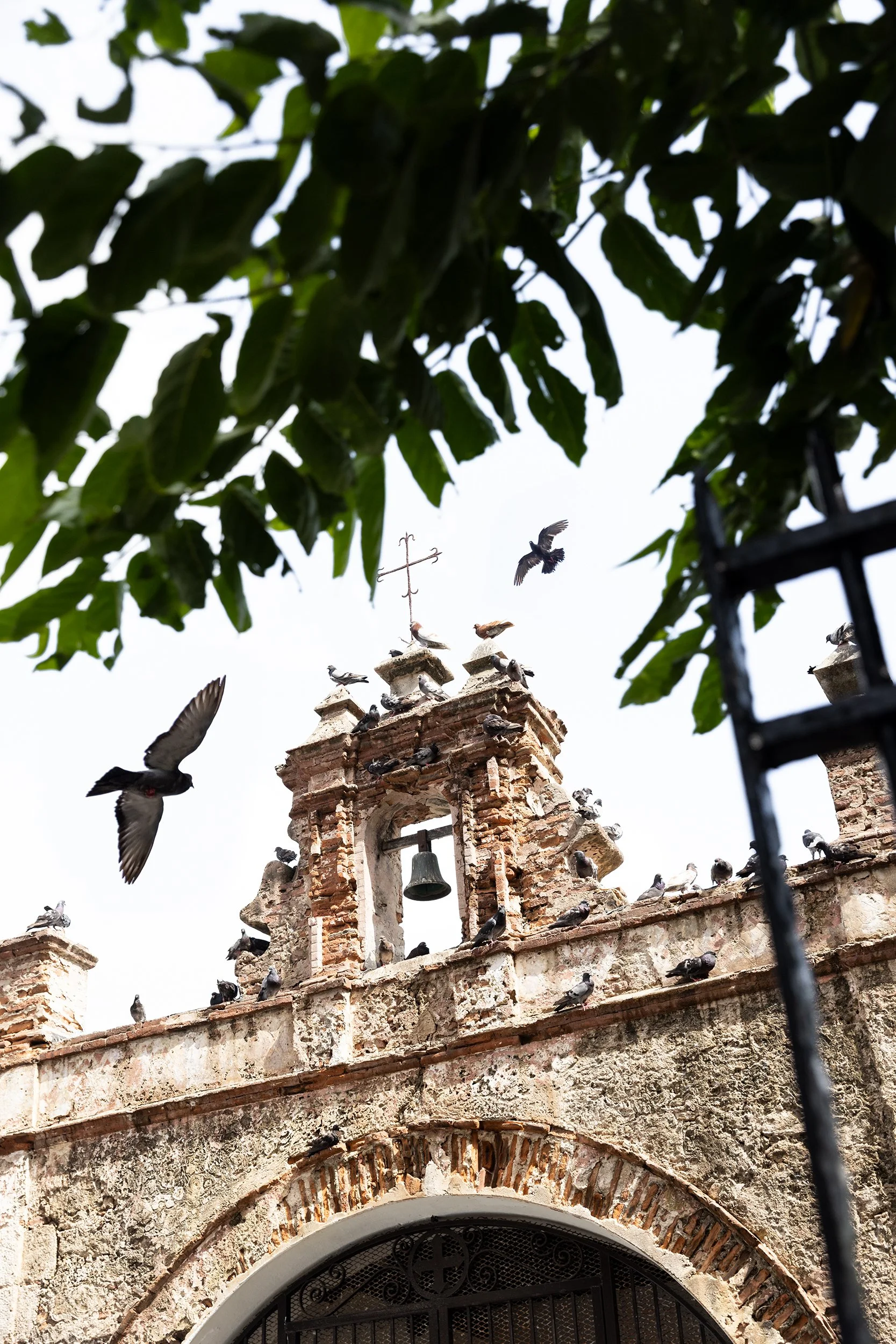
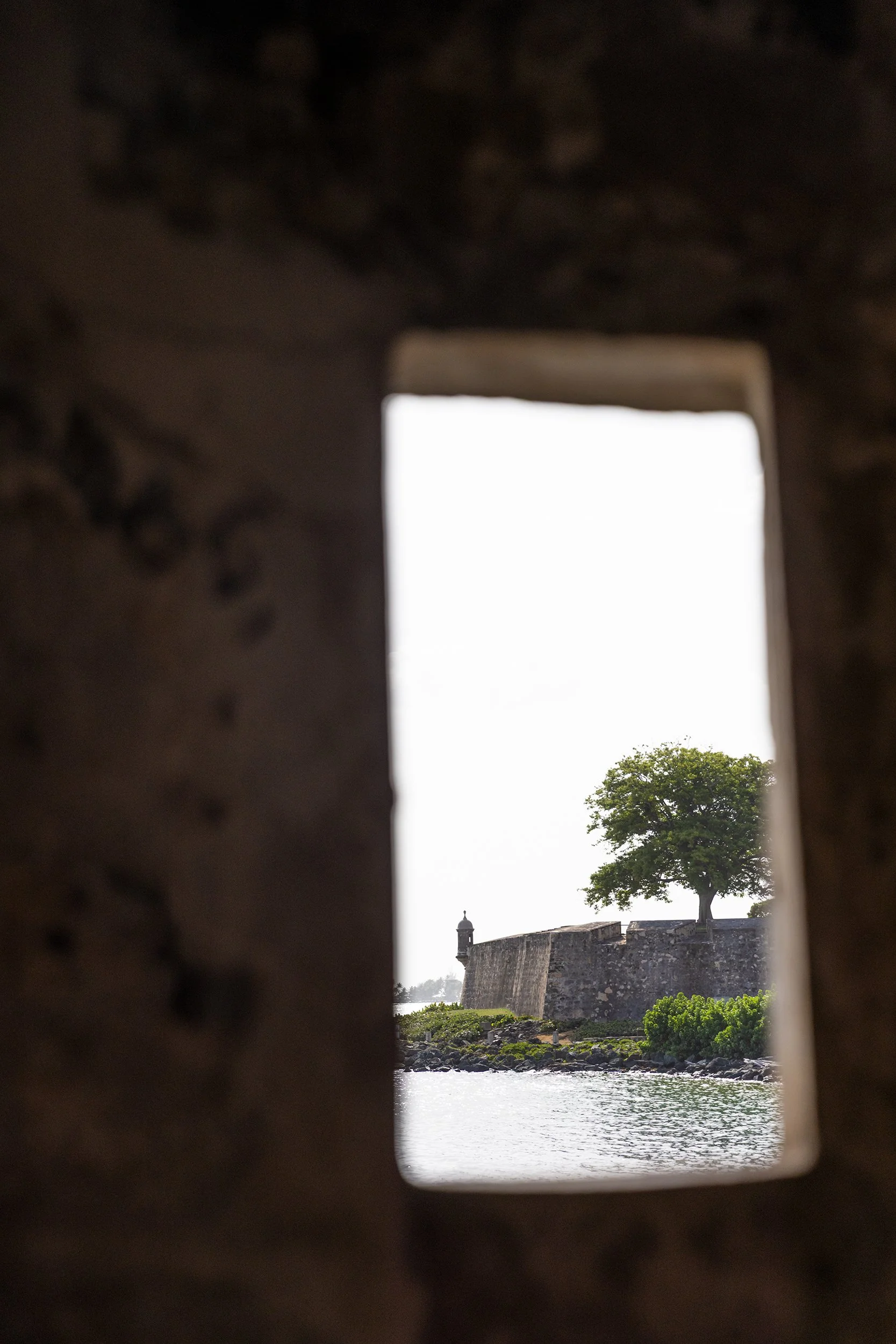
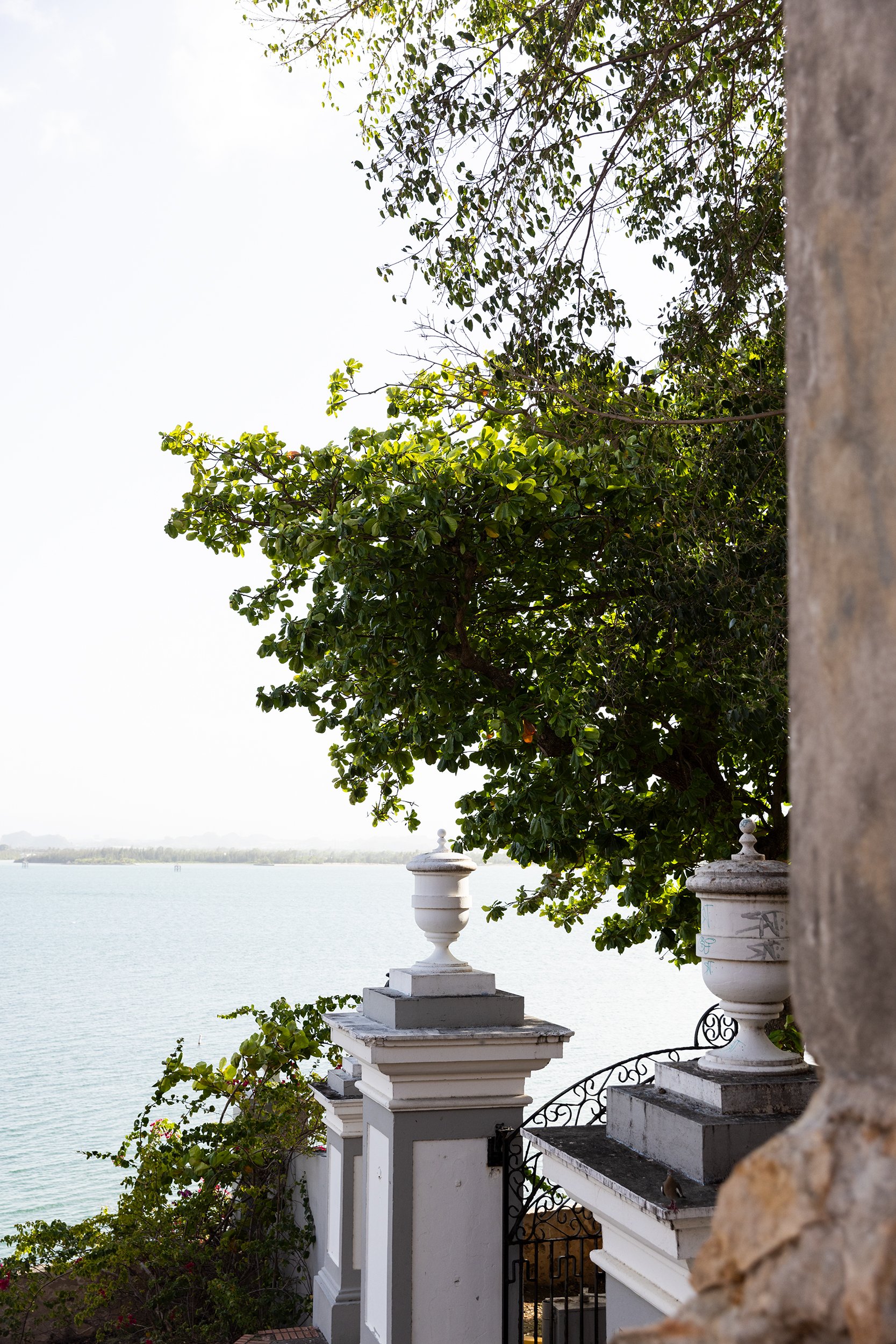
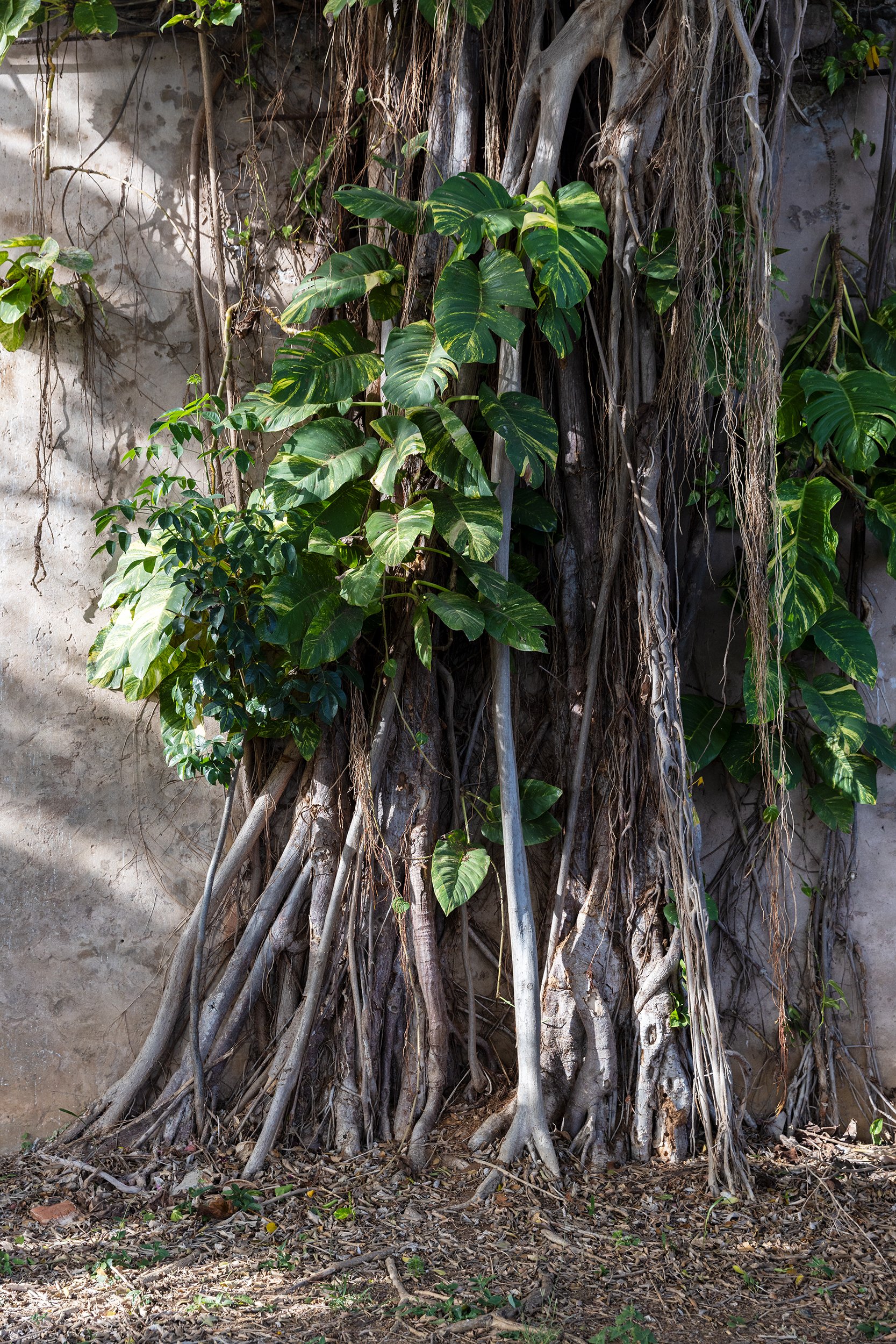
1. Capilla del Santo Cristo de la Salud | 2. La Garita del Bastión de San Agustín, an 18th-century Spanish colonial sentry box located along the defensive walls | 3. View along Cale de Rafael Cordero | 4. Banyan tree near Cale de Rafael Cordero
Old San Juan is a 500-year-old neighborhood where history comes alive through colorful Spanish colonial buildings, blue cobblestone, and massive fortresses overlooking the Atlantic. It's a place where you can wander past pastel facades, stumble into local cafés serving mofongo, and feel the weight of centuries beneath your feet. I visited on a girls' trip - my second time in San Juan - and we spent a few days just strolling with no real agenda, just good company, cold beers and margaritas, and plenty of stops to admire the architecture and take in the views. The mix of authentic Puerto Rican culture, stunning architecture, and that warm Caribbean energy makes it one of those destinations that's both photogenic and worth exploring.
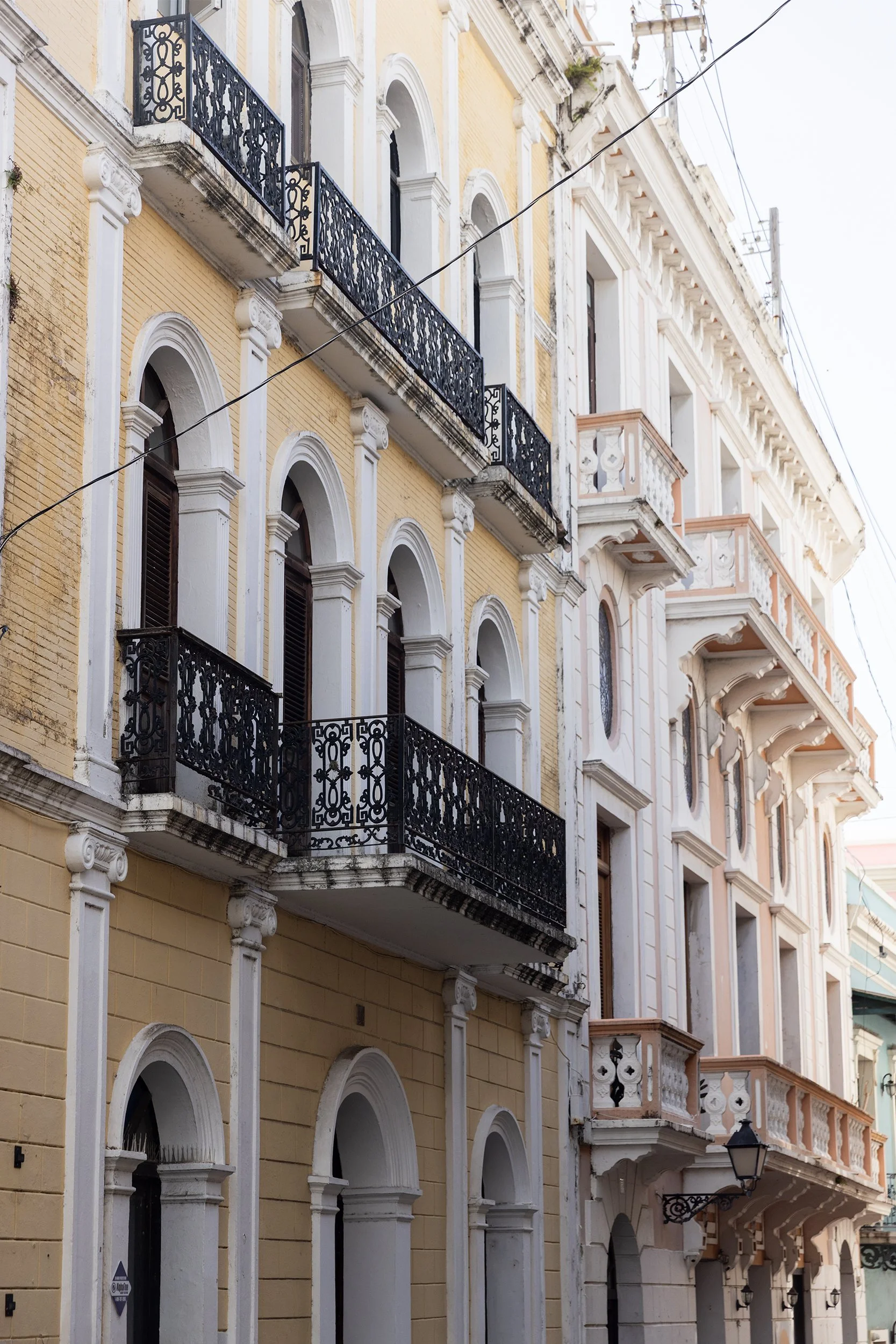
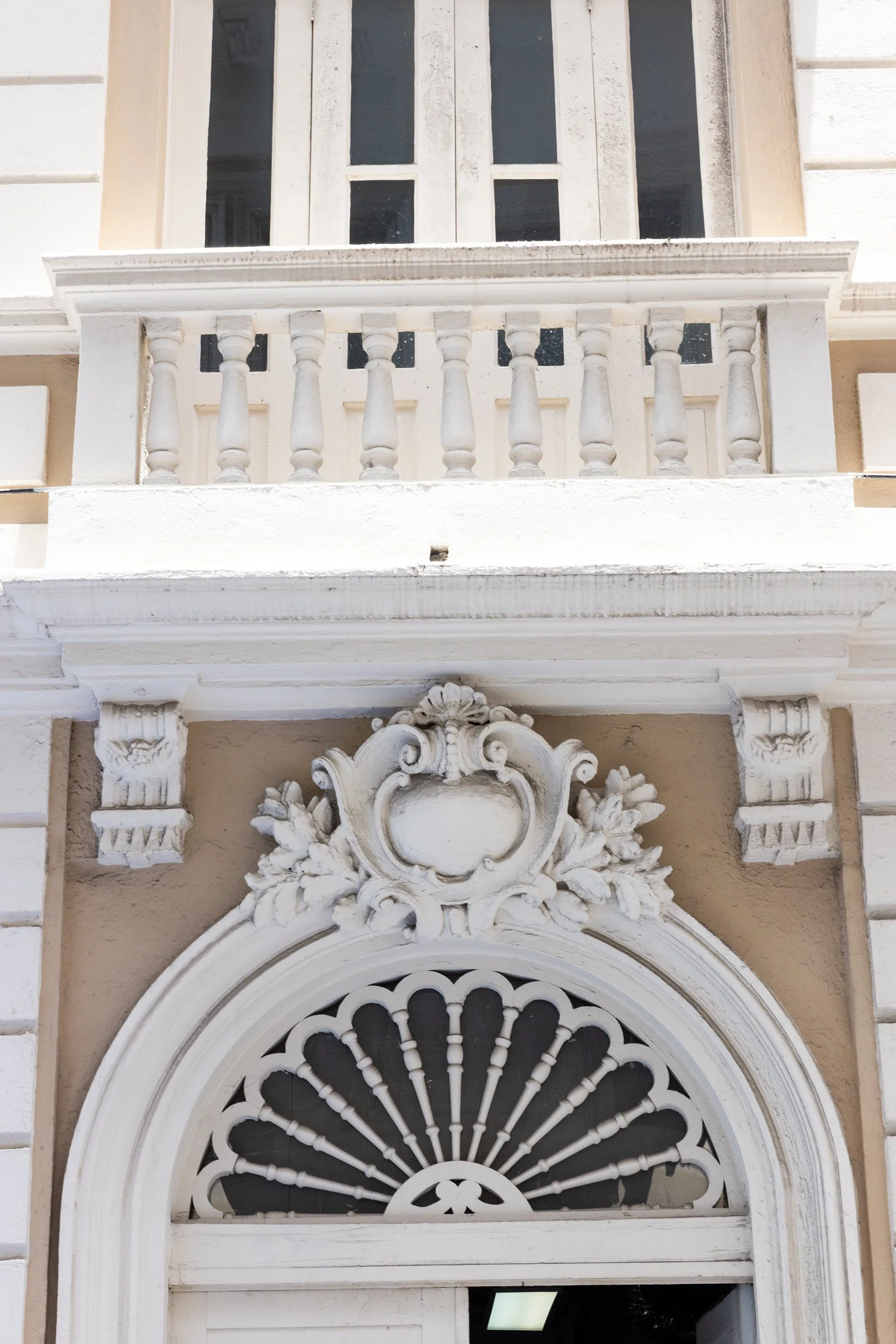
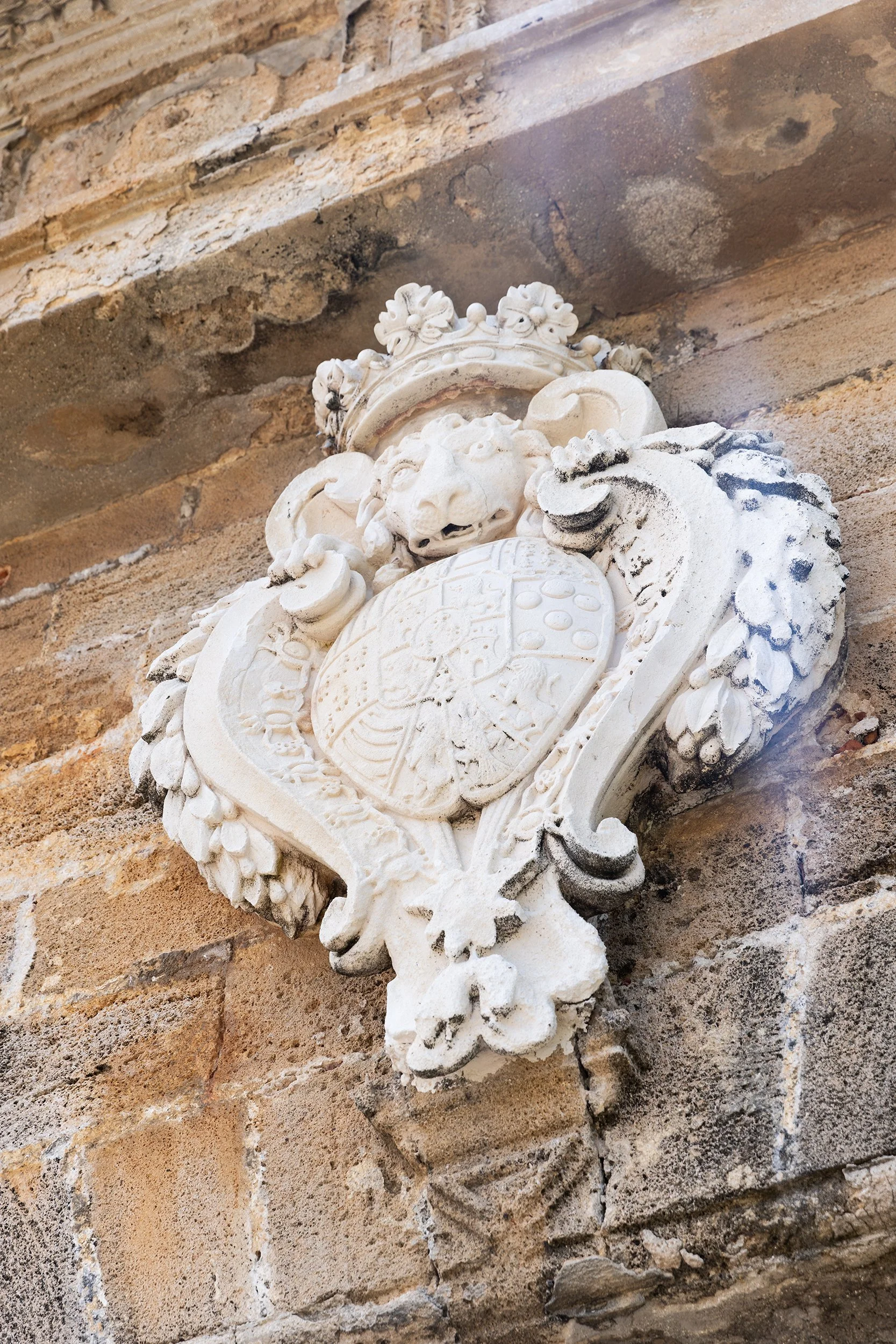
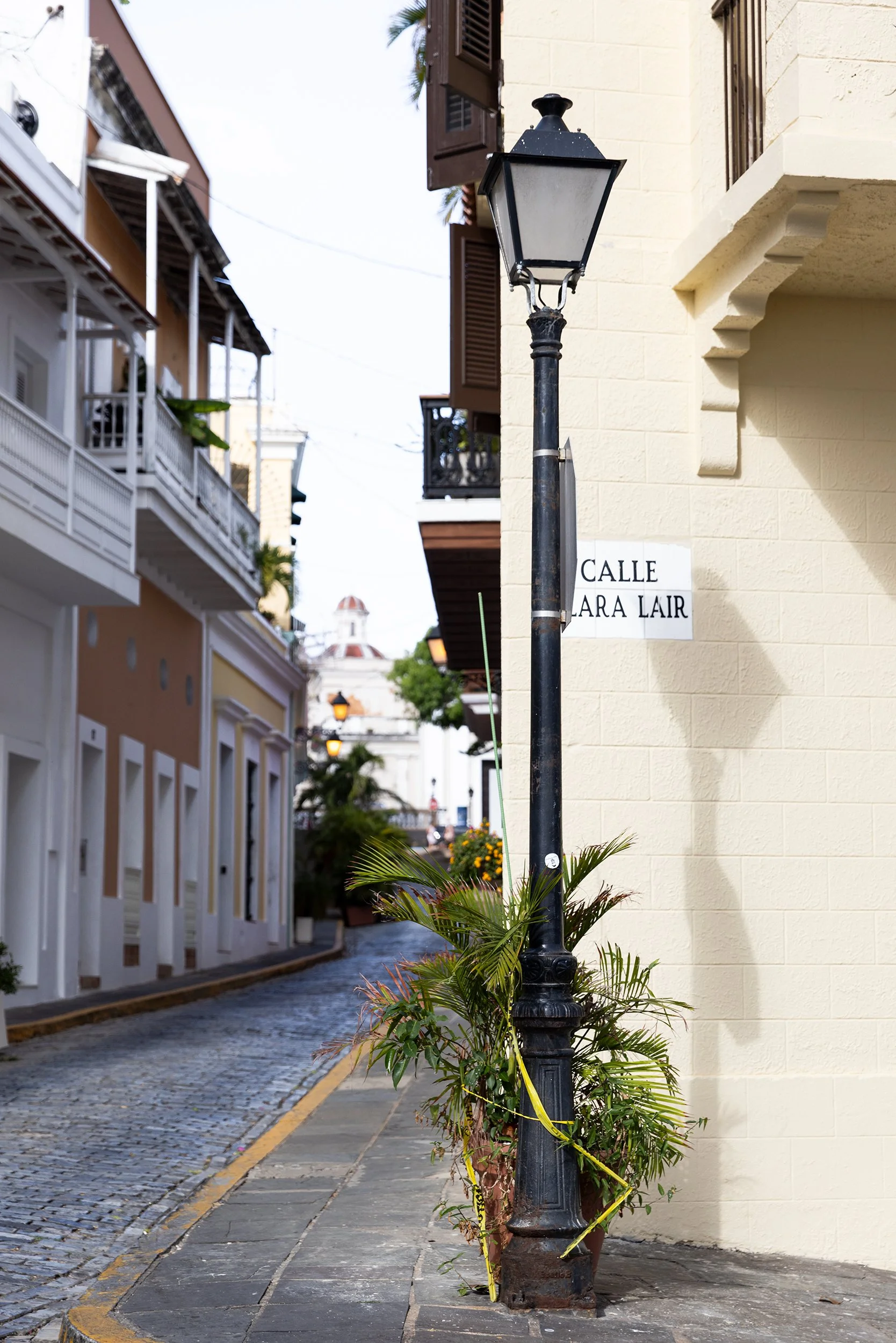
1. Buildings along Caleta de las Monjas leading to Parque de las Palomas | 2. Building detail on Calle Tetuán | 3. The royal coat of arms of Spain carved into the stone walls of the Castillo San Felipe del Morro | 4. Corner of Calle del Cristo and Calle Clara Lair
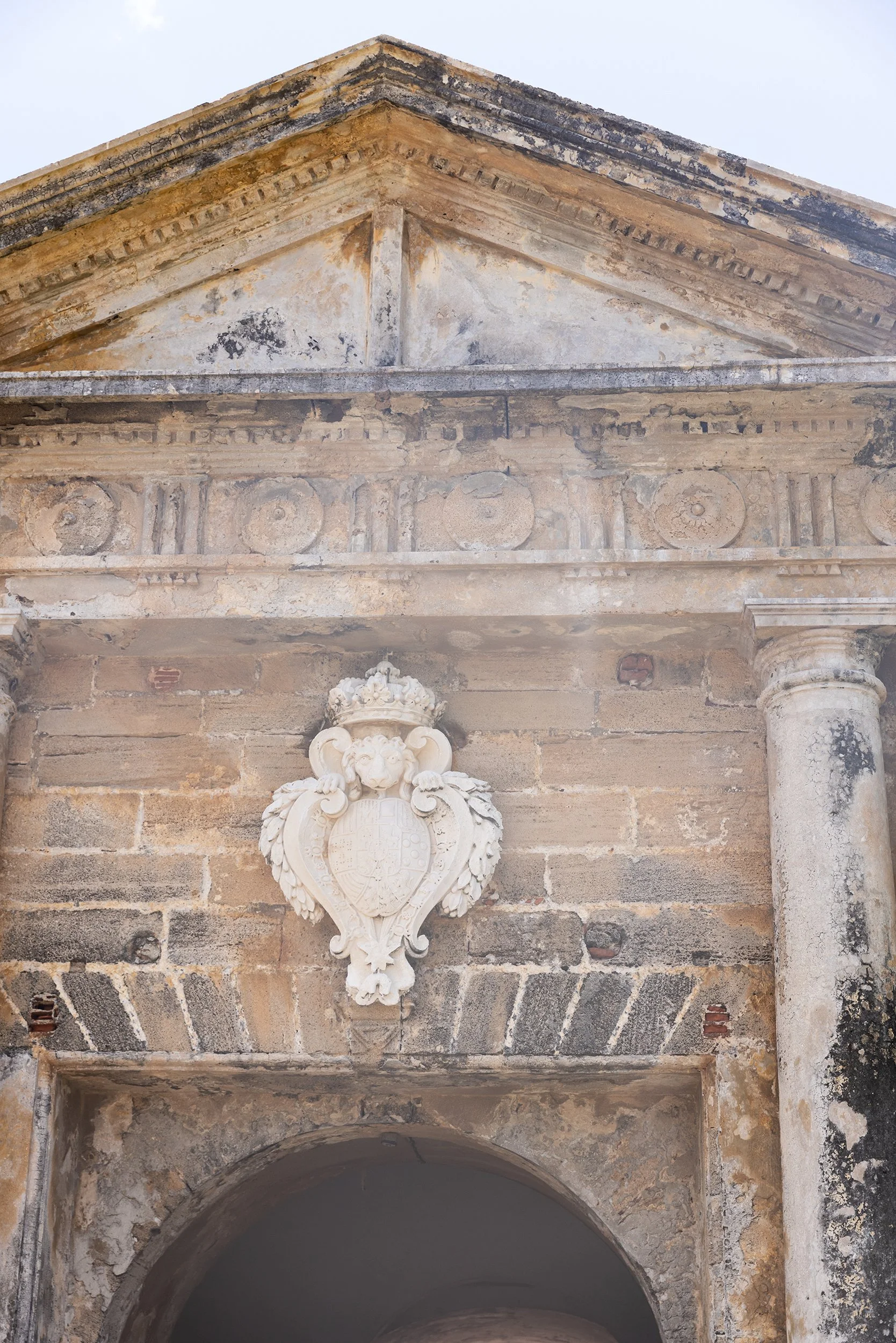
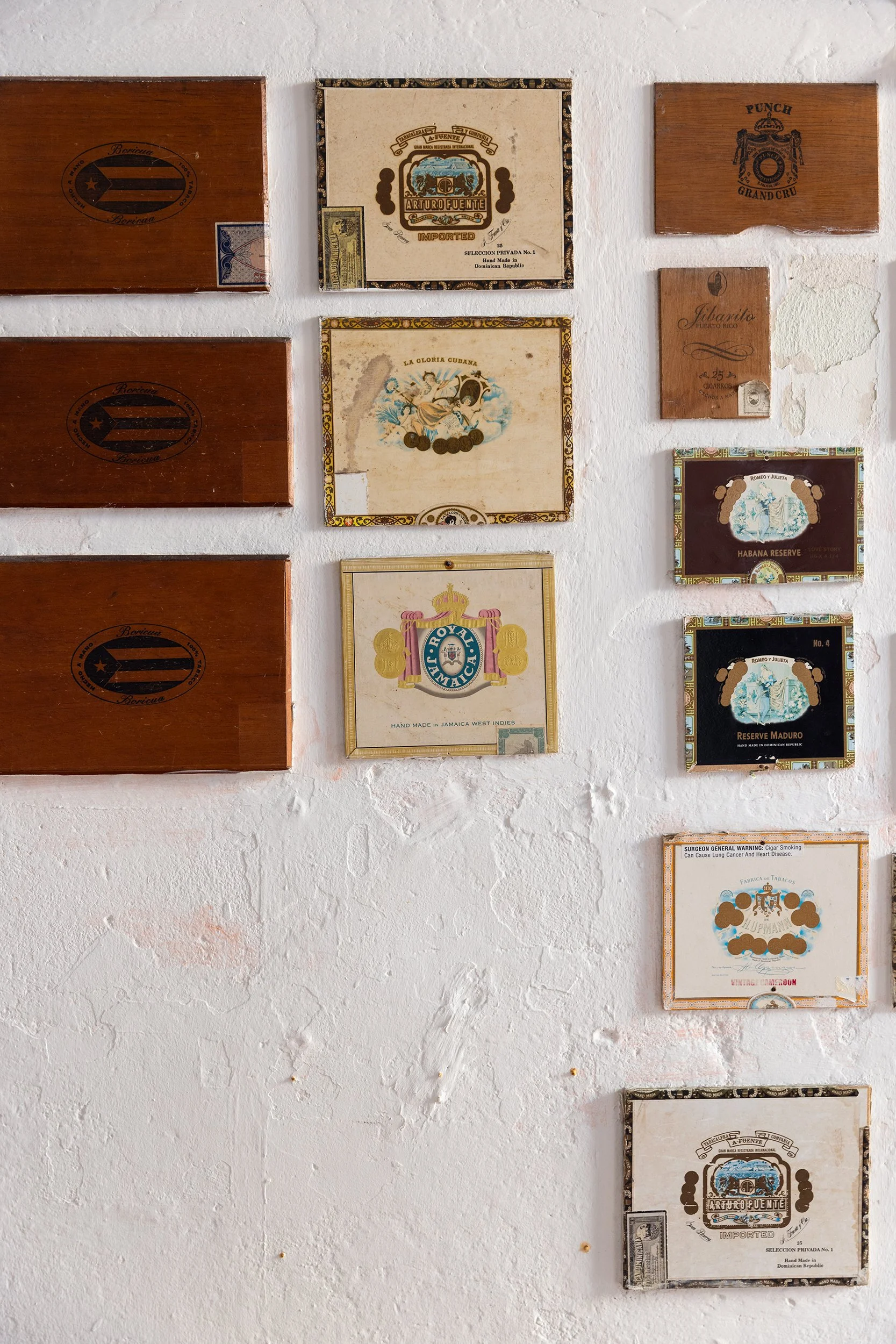
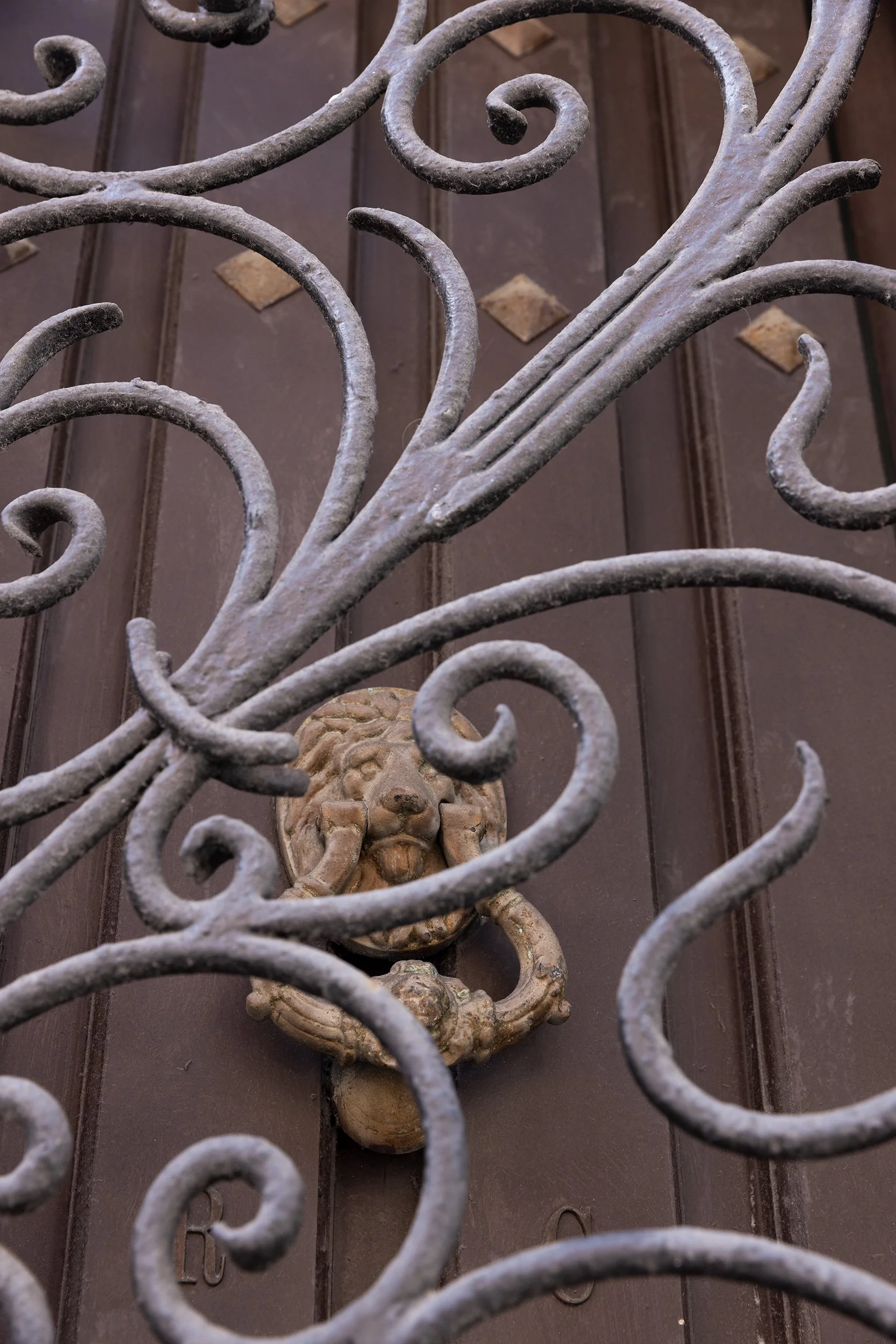
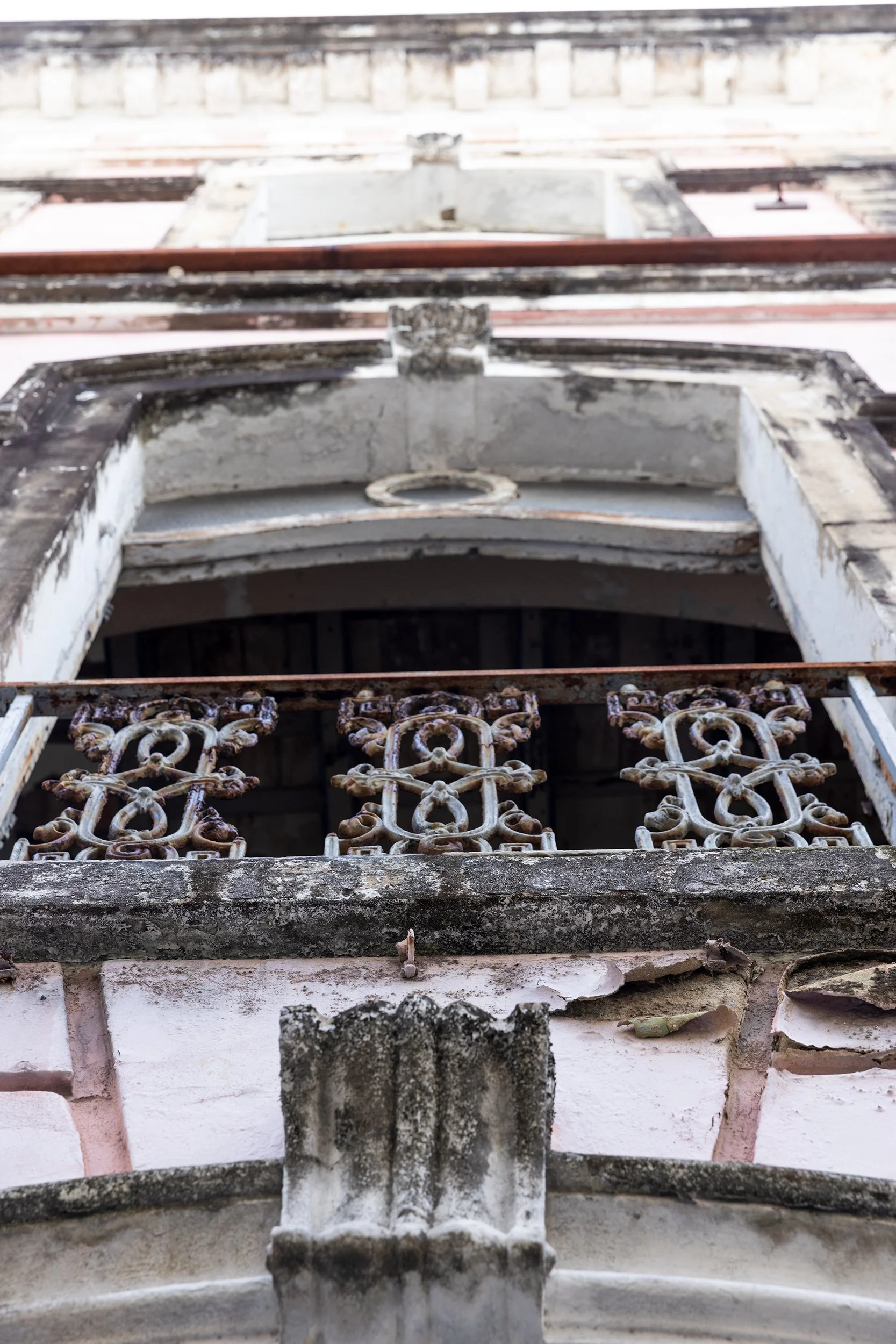
1. The entrance gate at Castillo San Felipe de Morro | 2. Cigar boxes on display outside the shop El Galpón | 3. Decorative details of a door in Old San Juan | 4. Boarded-up pink home on Calle de la Cruz
The blue cobblestones (adoquines) in Old San Juan have a fascinating history. They were indeed made from iron slag and stones that Spanish ships brought over as ballast in the 16th and 17th centuries.
Here's how it worked: Ships sailing from Spain to the New World needed weight in their hulls to stay stable during the voyage. They'd load up with these heavy materials, then unload them in San Juan to make room for valuable cargo like sugar, tobacco, and gold to take back to Europe. Rather than letting all that ballast go to waste, the Spanish colonists repurposed it to pave the streets.
The blue-gray color comes from the iron content in the slag. Over centuries of wear from feet, horses, carriages, and now cars, these stones have become incredibly smooth and taken on that distinctive polished look. They're also great for drainage during tropical downpours - the rounded surface lets water run off quickly.
What makes this even cooler is that you're literally walking on materials that crossed the Atlantic Ocean hundreds of years ago. Every step on those streets connects you to the maritime history of the Spanish Empire. Some of those stones have been there since the 1500s!
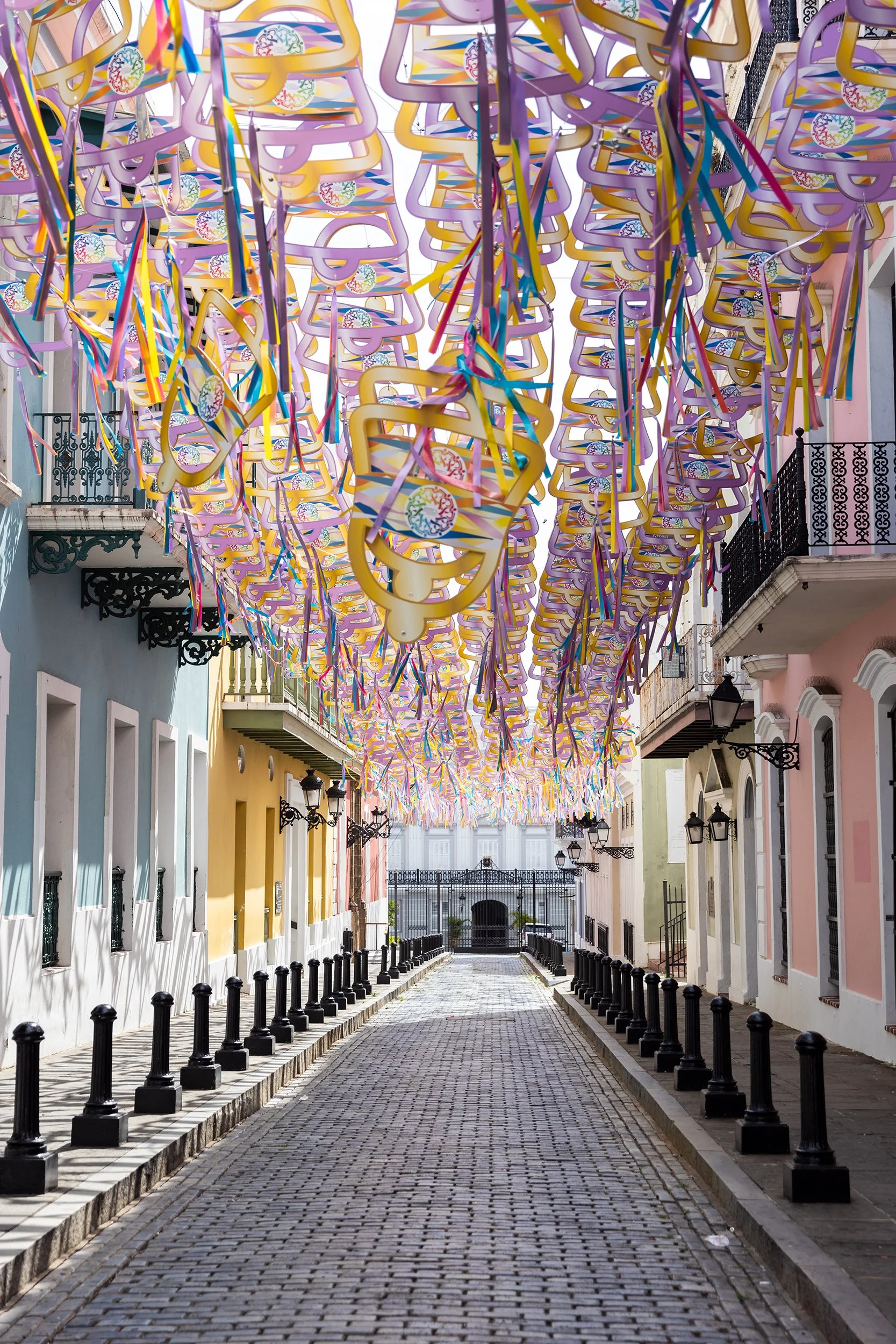
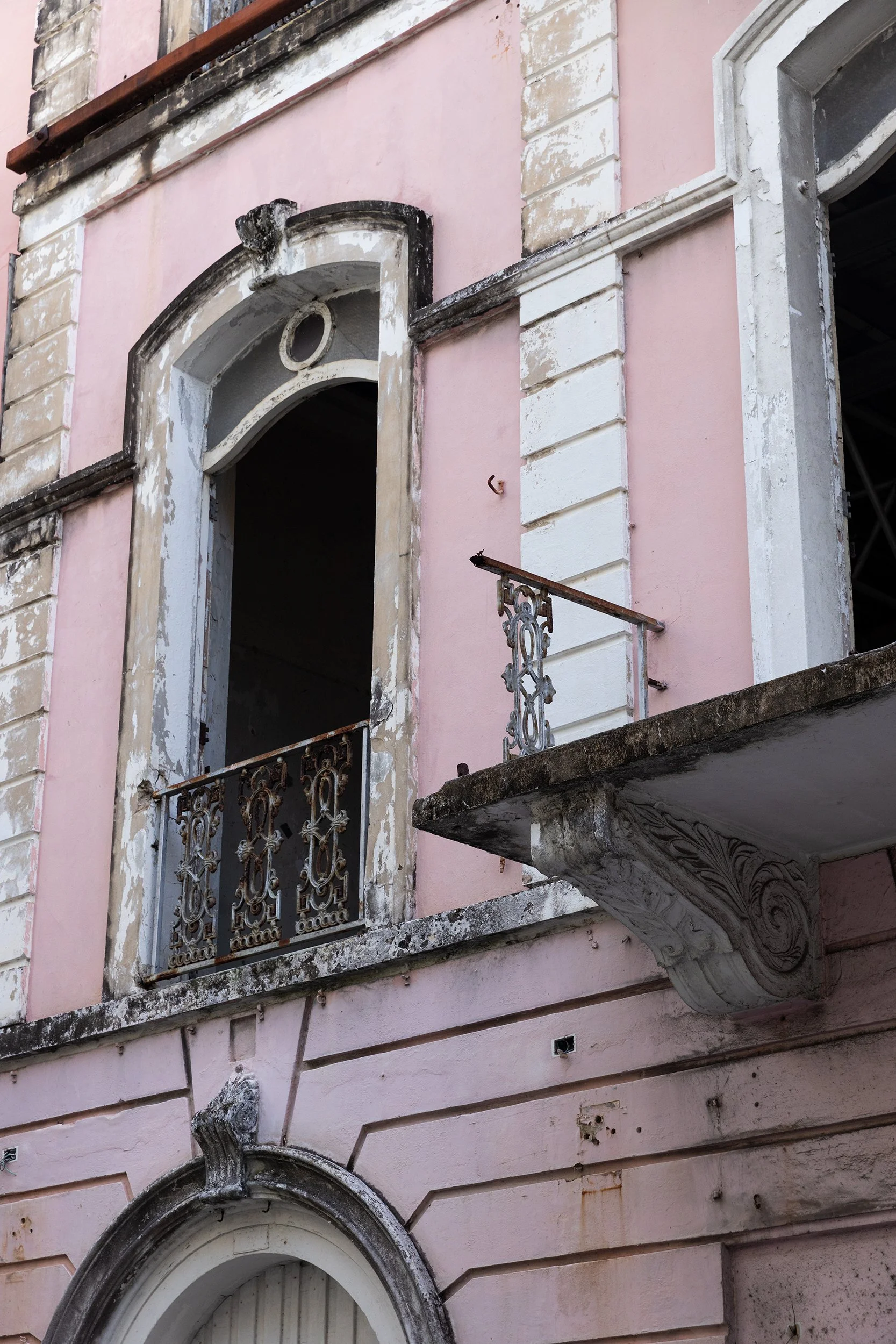
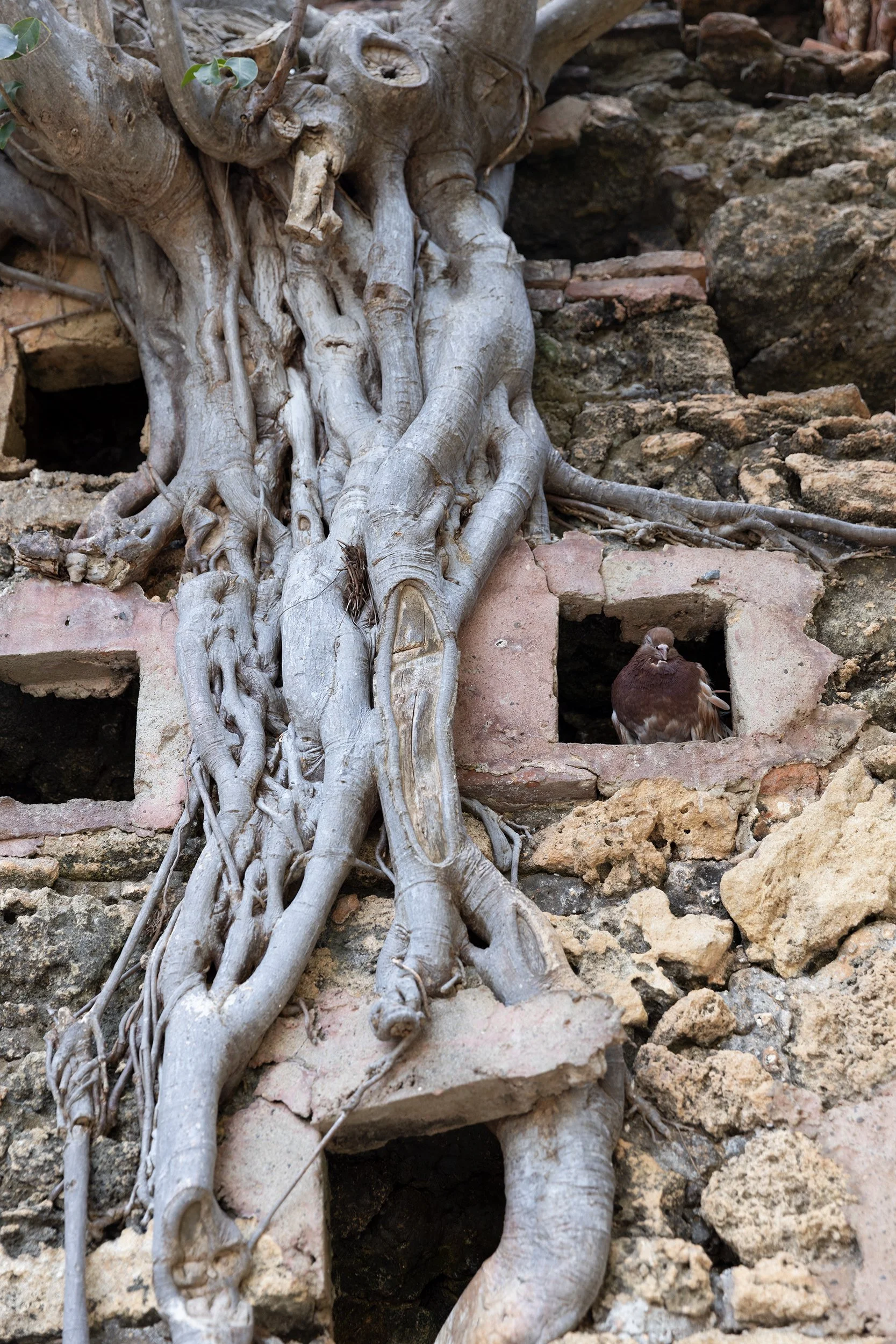
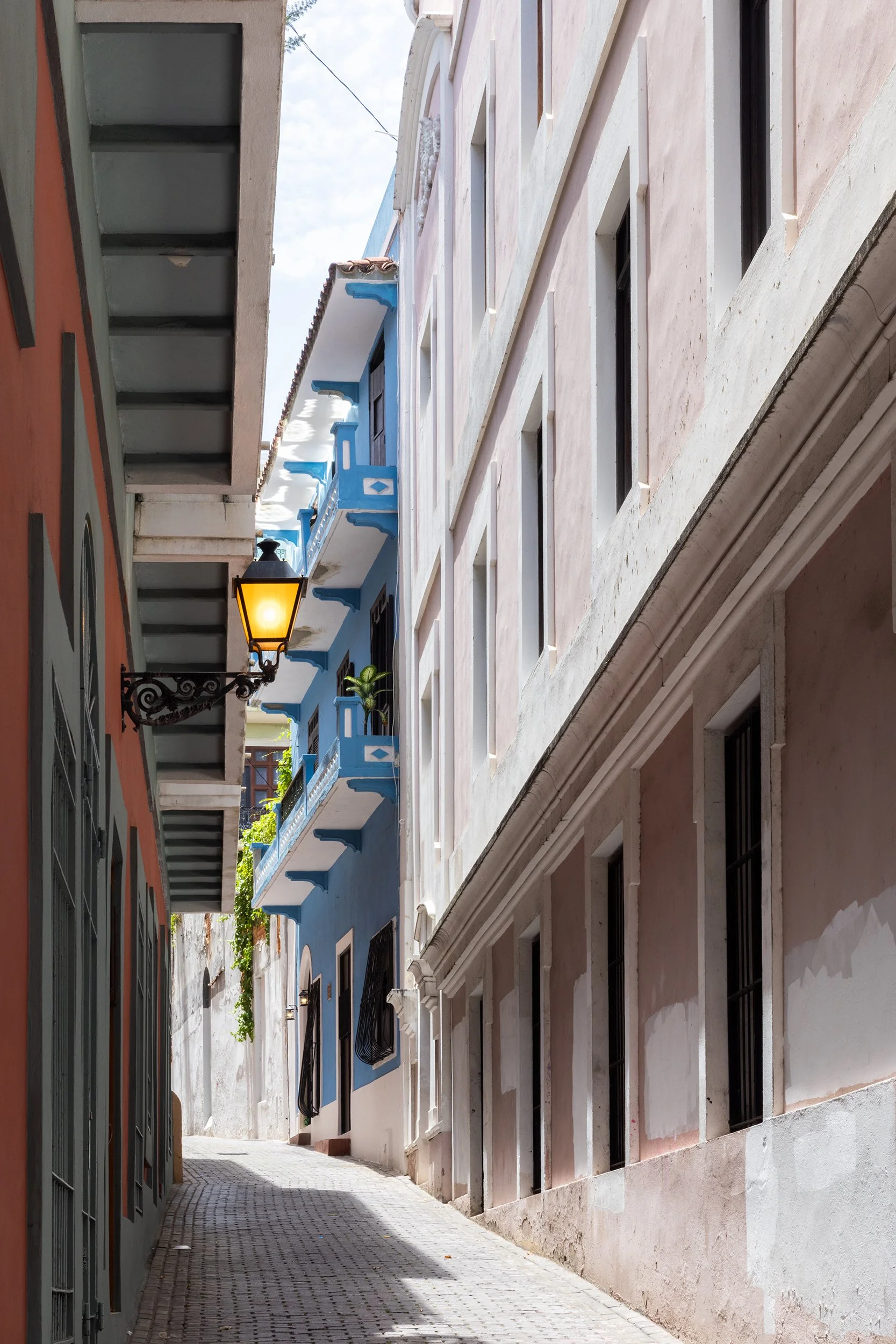
1. Calle Fortaleza decorated with streamer bells | 2. Building details on Calle de la Cruz | 3. Pigeons at Parque de Las Palomas | 4. Callejon del Gambaro alleyway
Old San Juan's narrow cobblestone streets were laid out in a deliberate grid - designed to cast shade and capture Atlantic breezes within the walls of the old city. That colonial fabric remains remarkably intact today. The entire historic district is a designated National Historic Site, home to more than 400 restored buildings representing nearly five centuries of history.
The streets of Old San Juan are lined with vividly painted facades - turquoise, ochre, terracotta, and soft green stretching block after block. The lime-based paints historically used in tropical climates required added pigment to protect against the intense Caribbean sun, and over time, bold color choices became a way for residents to put their own stamp on the streetscape.
Throughout Old San Juan, wrought-iron balconies extend from nearly every facade - functional as much as decorative, offering residents an outdoor escape from the tropical heat. Wooden shutters replace glass in most windows, a time-tested solution for managing airflow and light in the Caribbean climate. Doors are notably heavy, built to hold up against hurricanes. Step through many of them and you'll find a hidden interior courtyard - a design tradition with Moorish origins that arrived via Spain, providing shade and airflow.
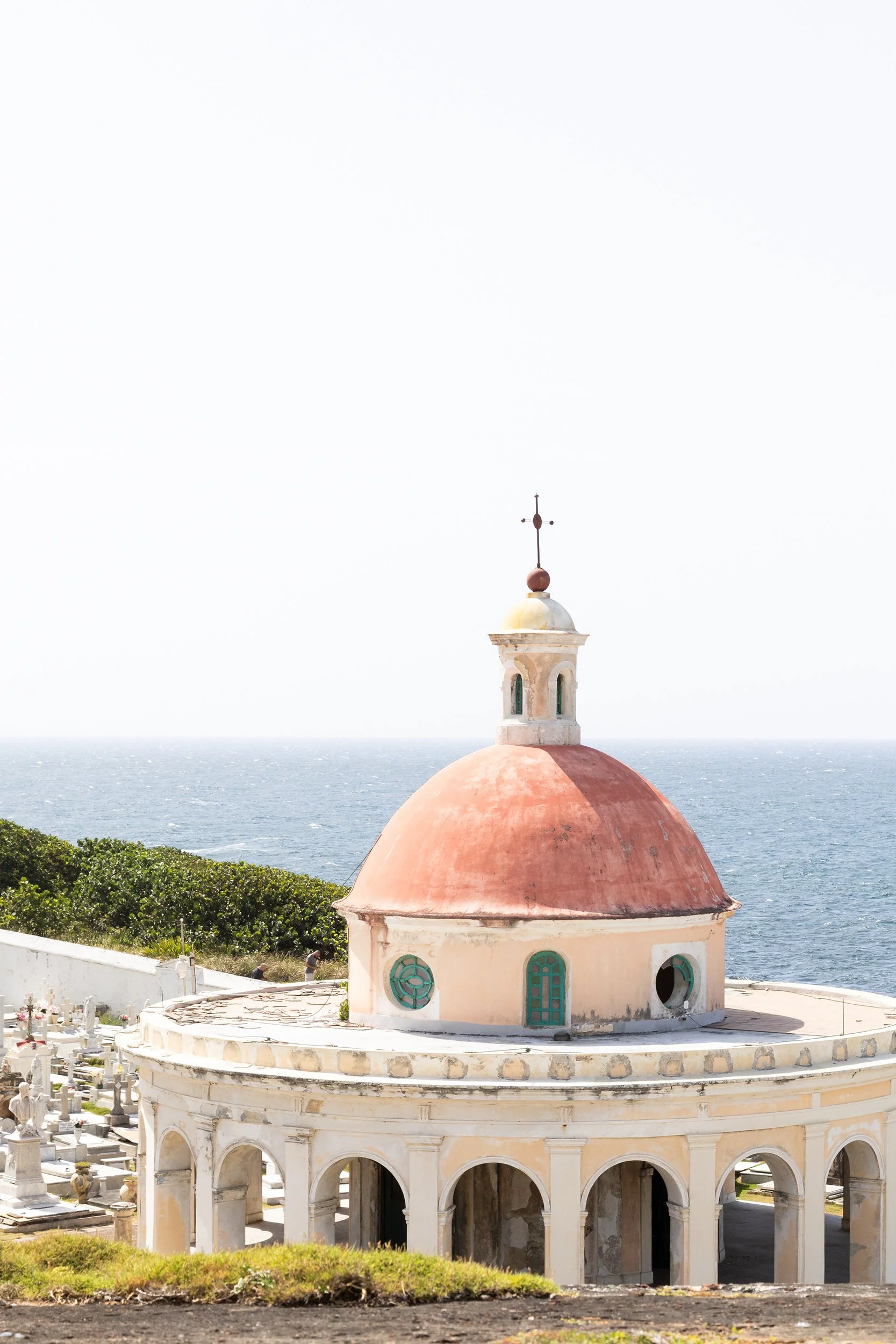
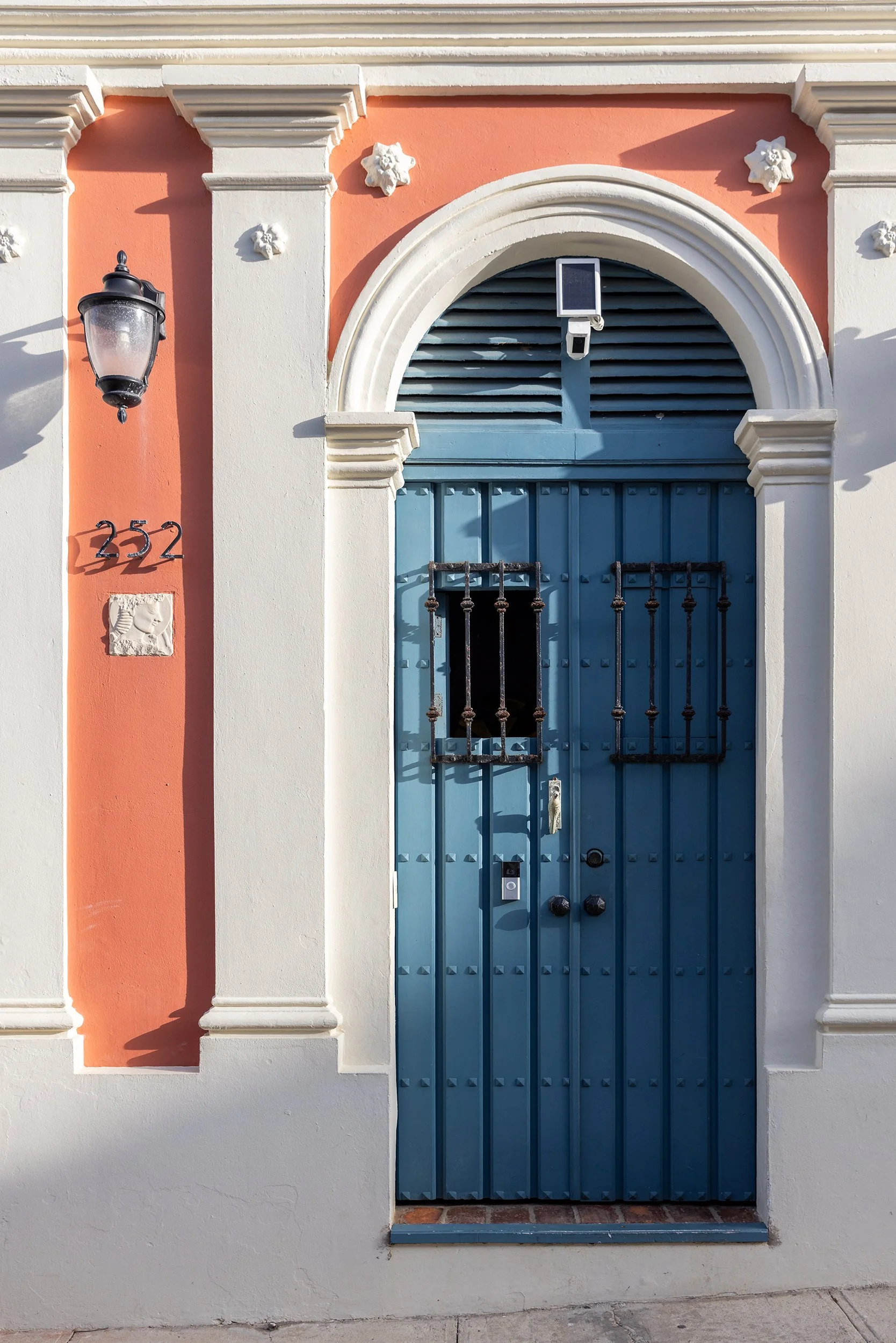
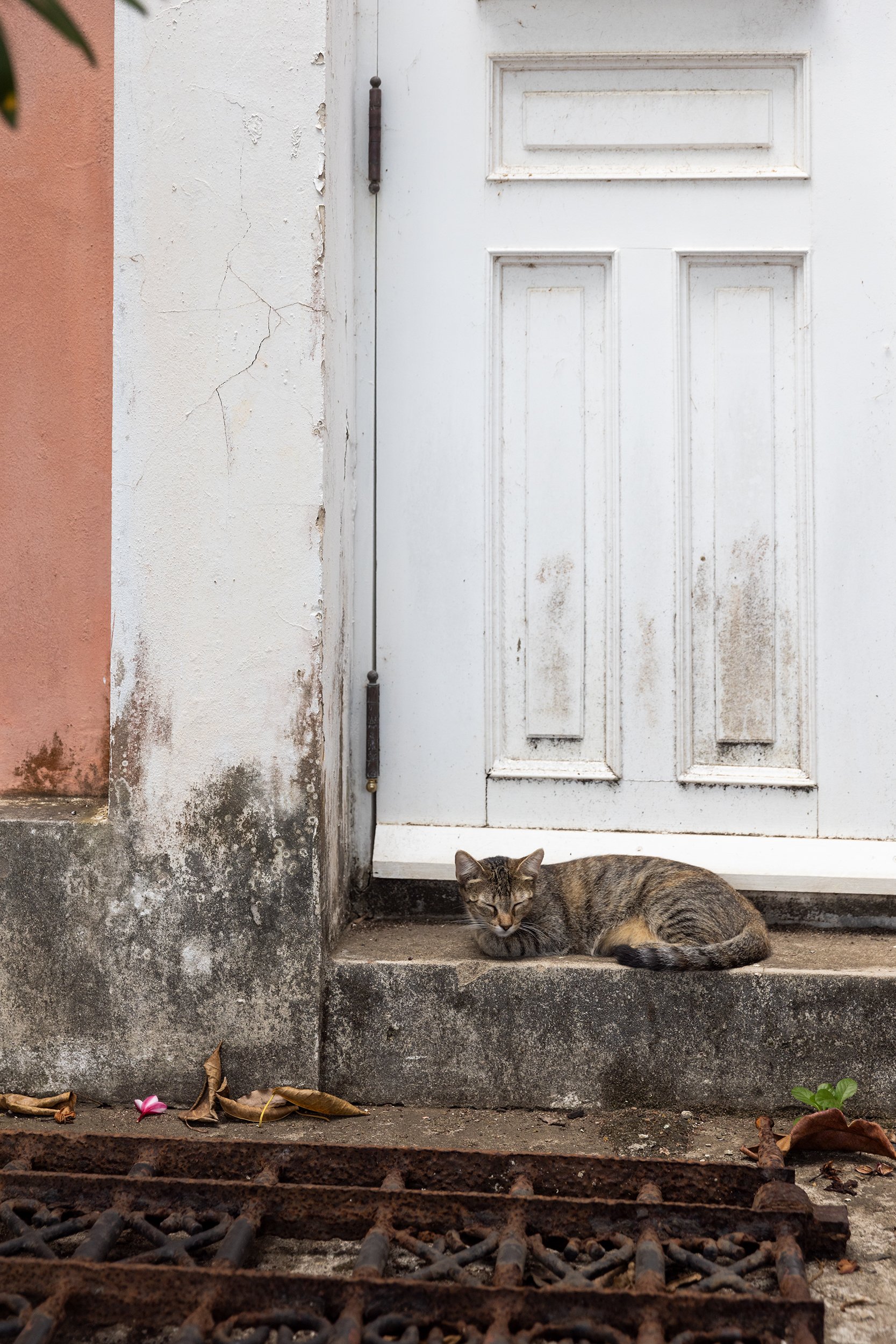
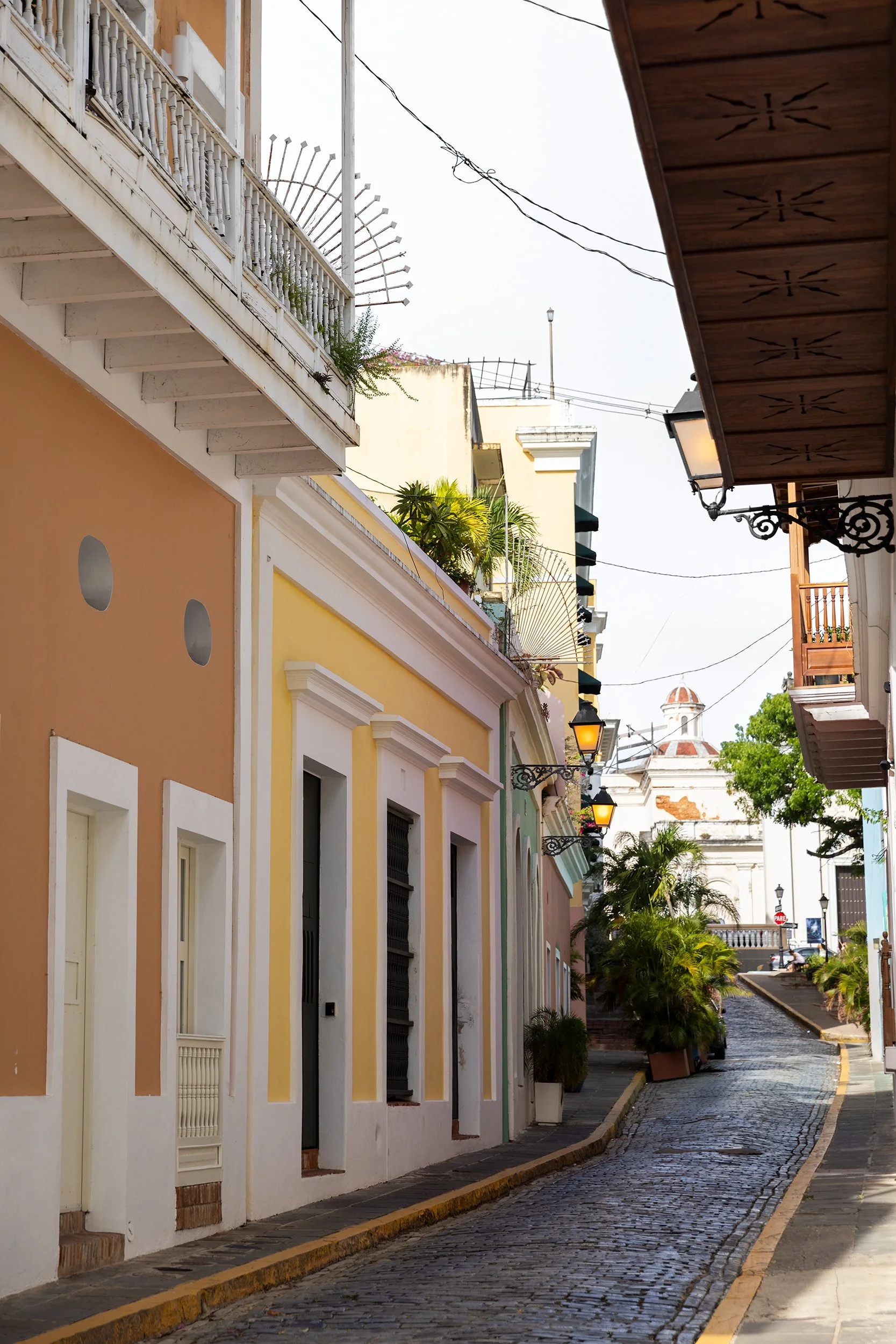
1. Santa María Magdalena de Pazzis Cemetery | 2. Doorway at 252 Calle de San Sebastián | 3. Parque de Las Palomas - cats are as much a fixture of Old San Juan as the cobblestones themselves | 4. Caleta de las Monjas
Parts of Old San Juan wear their age openly - peeling paint, crumbling plaster, and rusted balconies are as common a sight as the lovingly restored facades. Restoration is an ongoing challenge. While the historic district is protected under strict preservation guidelines, the reality on the ground is uneven. Some property owners have been known to cut corners - swapping traditional materials for cheaper modern alternatives, painting over original architectural details, or rushing repairs in ways that compromise historical accuracy.
Yet despite all of these challenges, Old San Juan remains one of the most captivating and well-preserved colonial cities in the Americas - a place where centuries of history are still very much alive in the streets, the architecture, and the culture.
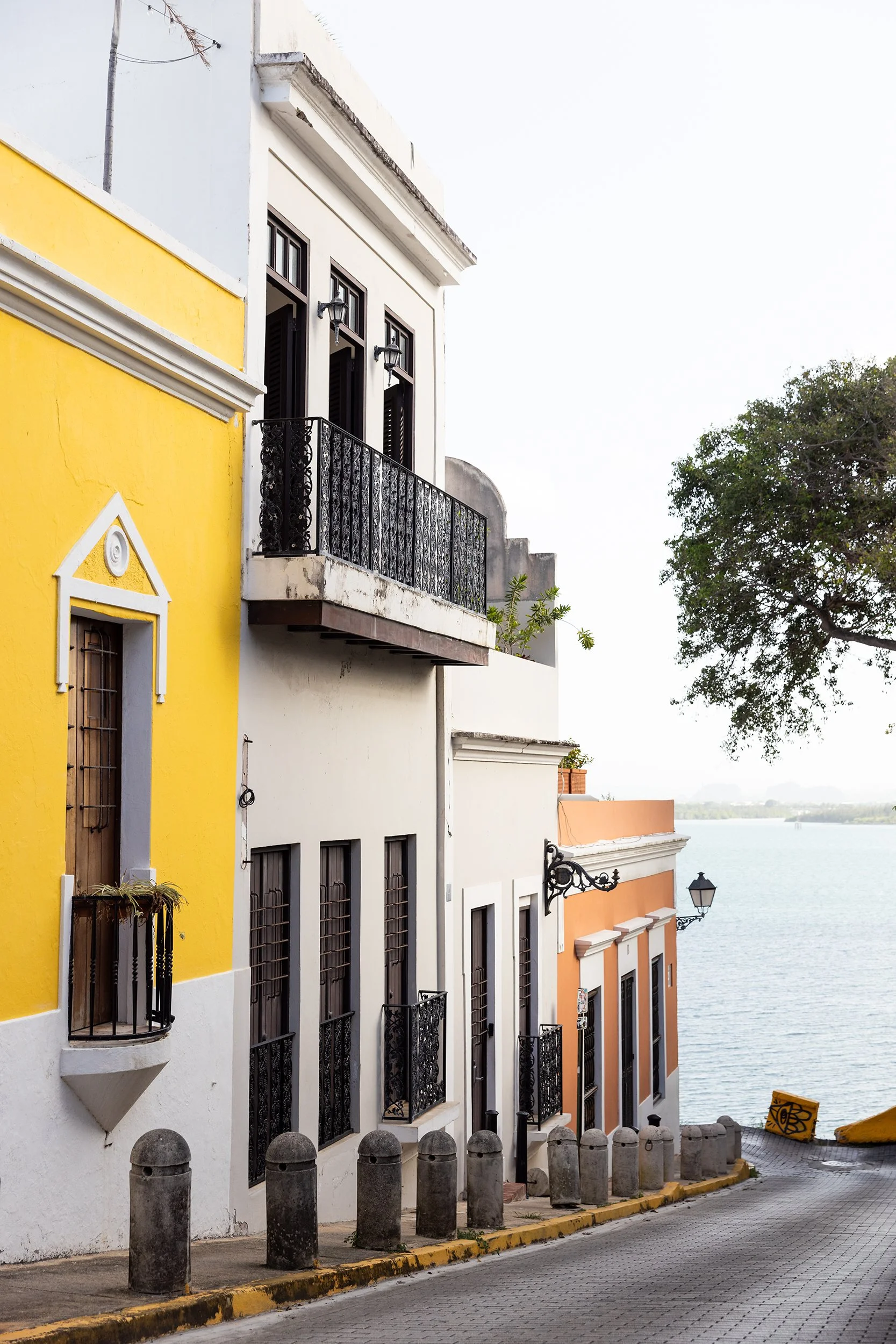
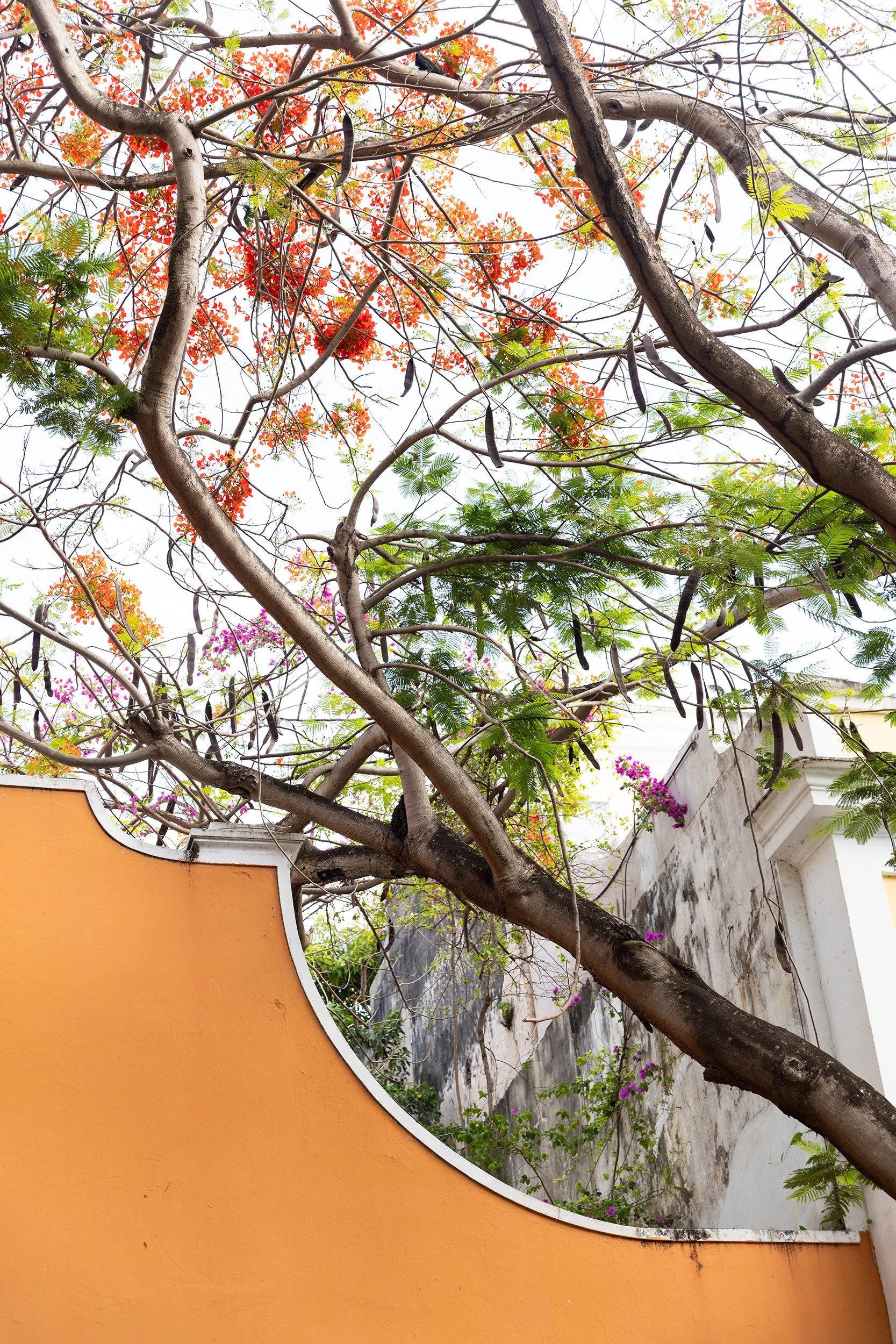
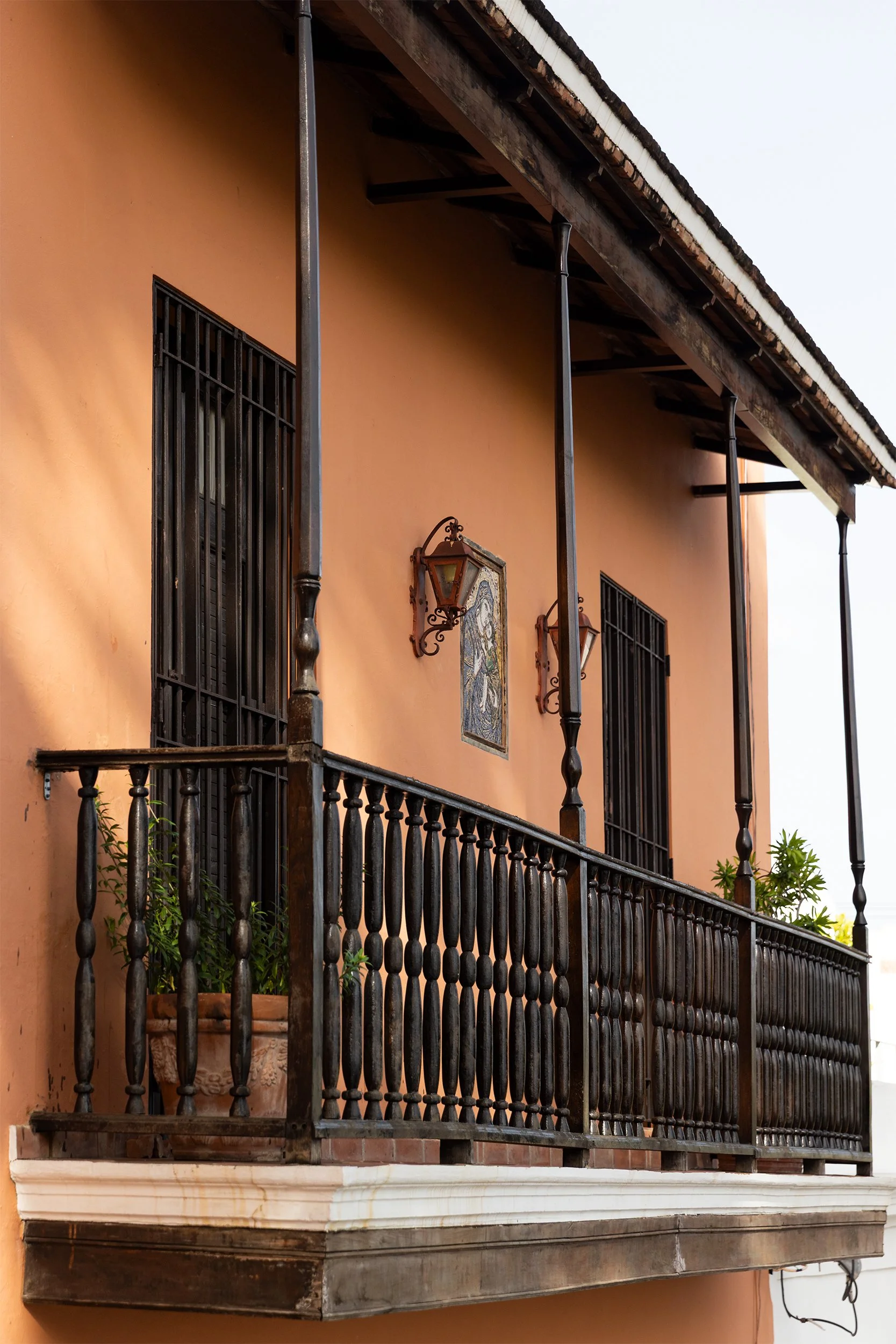
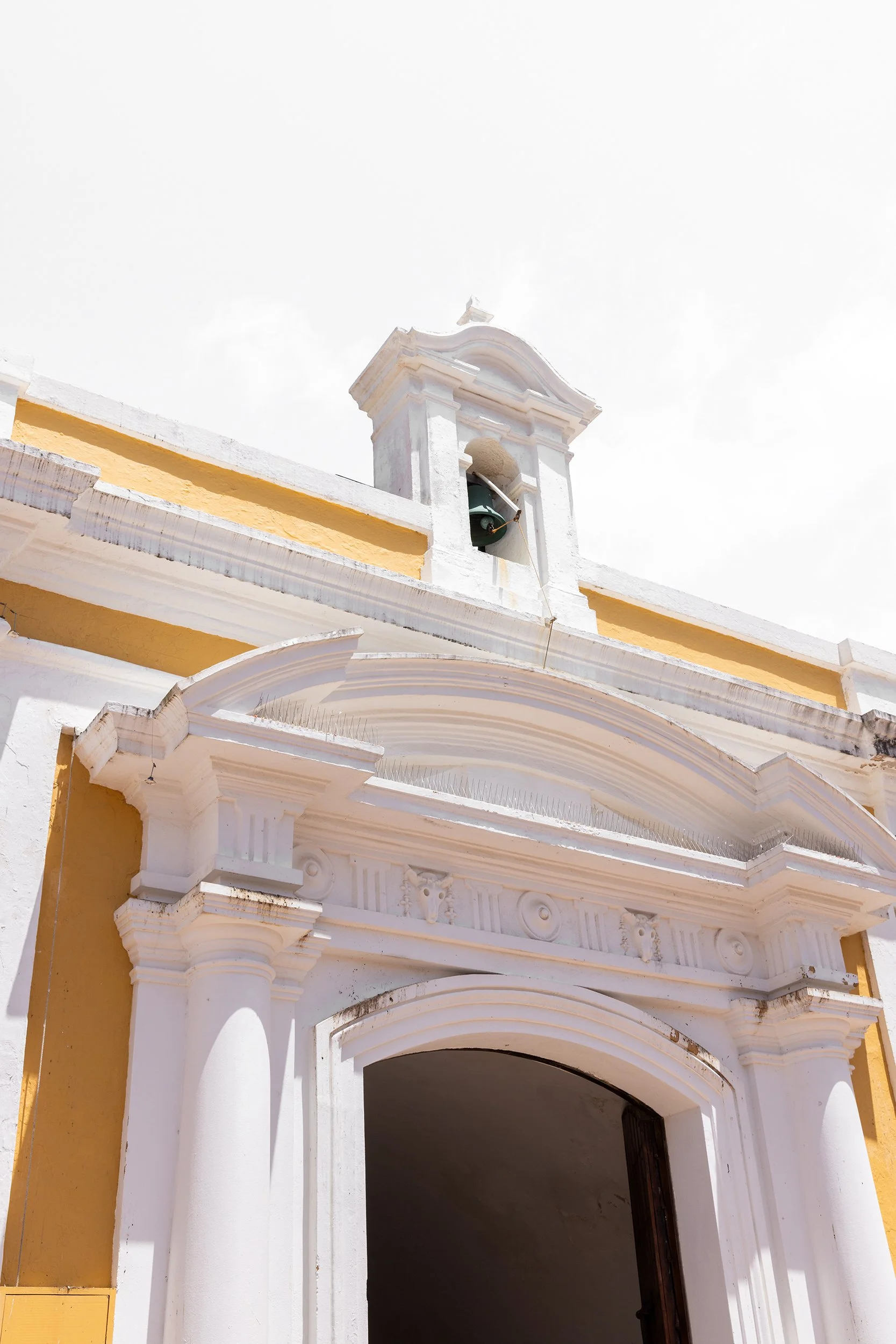
1. Sol Street | 2. Building detail on Caleta de San Juan | 3. Old balcony on Calle de Rafael Cordero | 4. Little chapel at Castillo San Felipe del Morro
No conversation about Old San Juan's architecture is complete without its military structures. El Morro and Castillo San Cristóbal are impossible to ignore - two massive Spanish fortresses that anchor the northern edge of the city and define its skyline. Built to defend against naval invasion, both represent the pinnacle of military engineering in the colonial Americas, with walls thick enough to absorb cannon fire and strategic positions chosen to maximize sight lines over the surrounding sea. The city walls connecting them are equally impressive, with some sections rising 40 feet high - still intact after centuries of hurricanes, raids, and time.
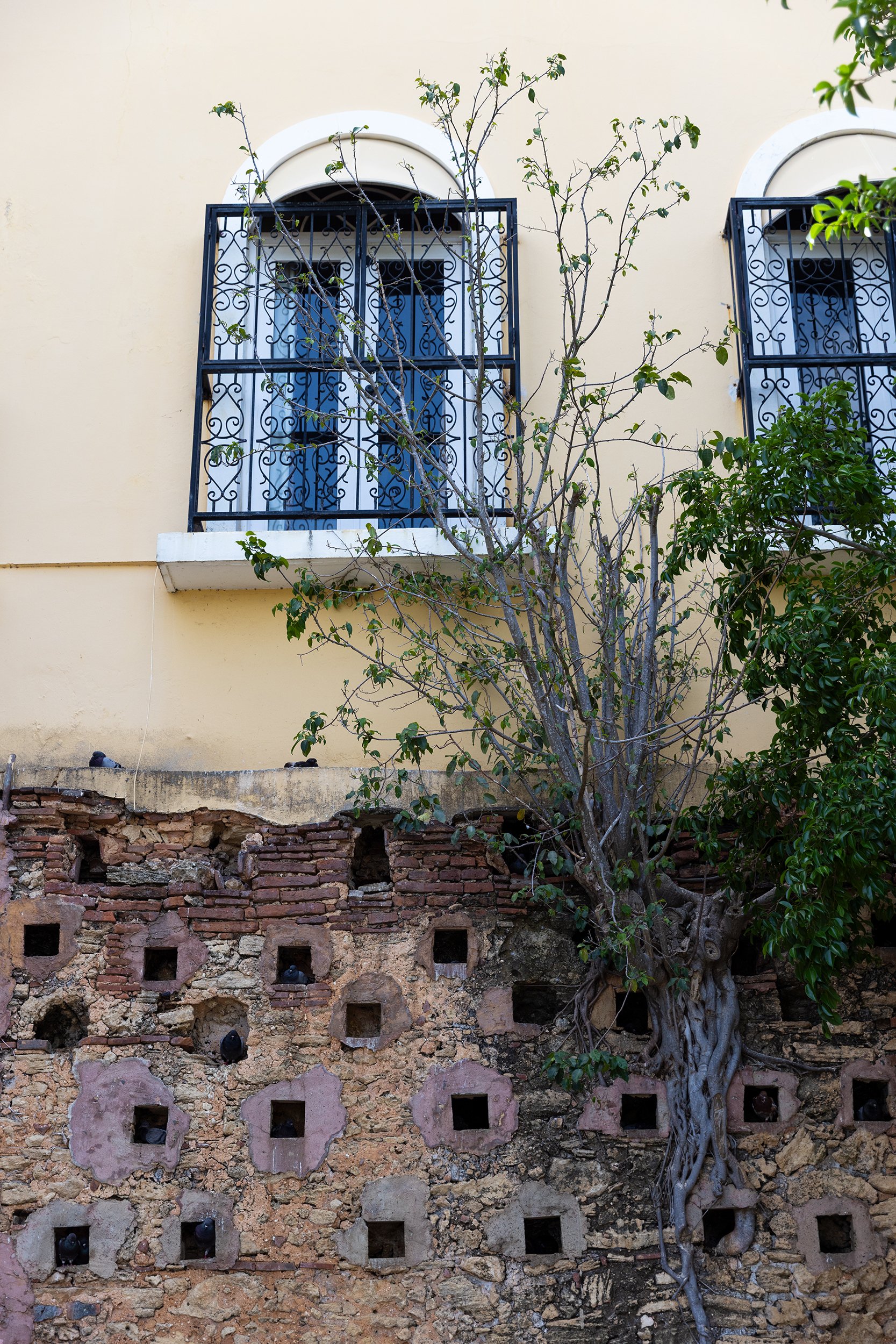
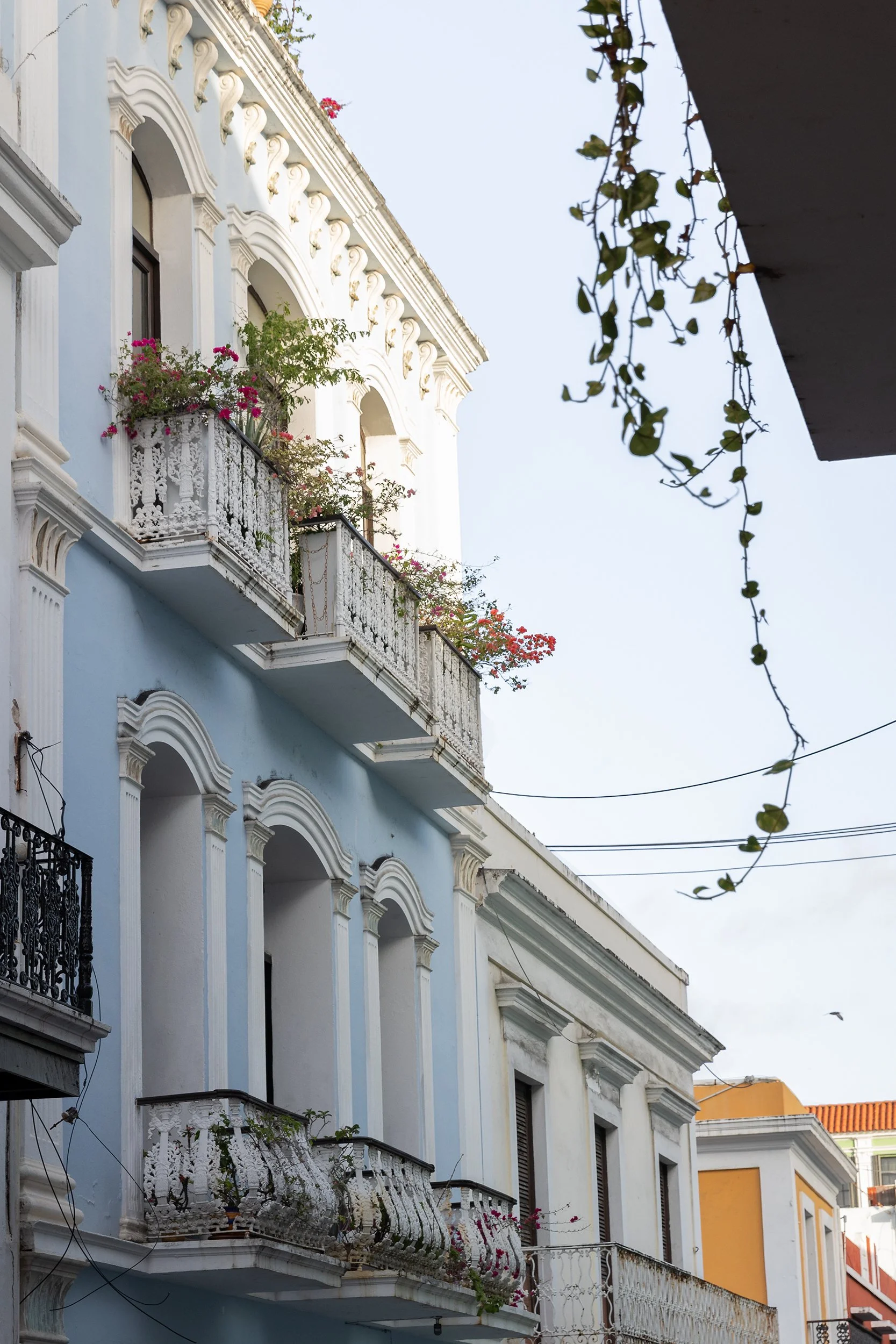
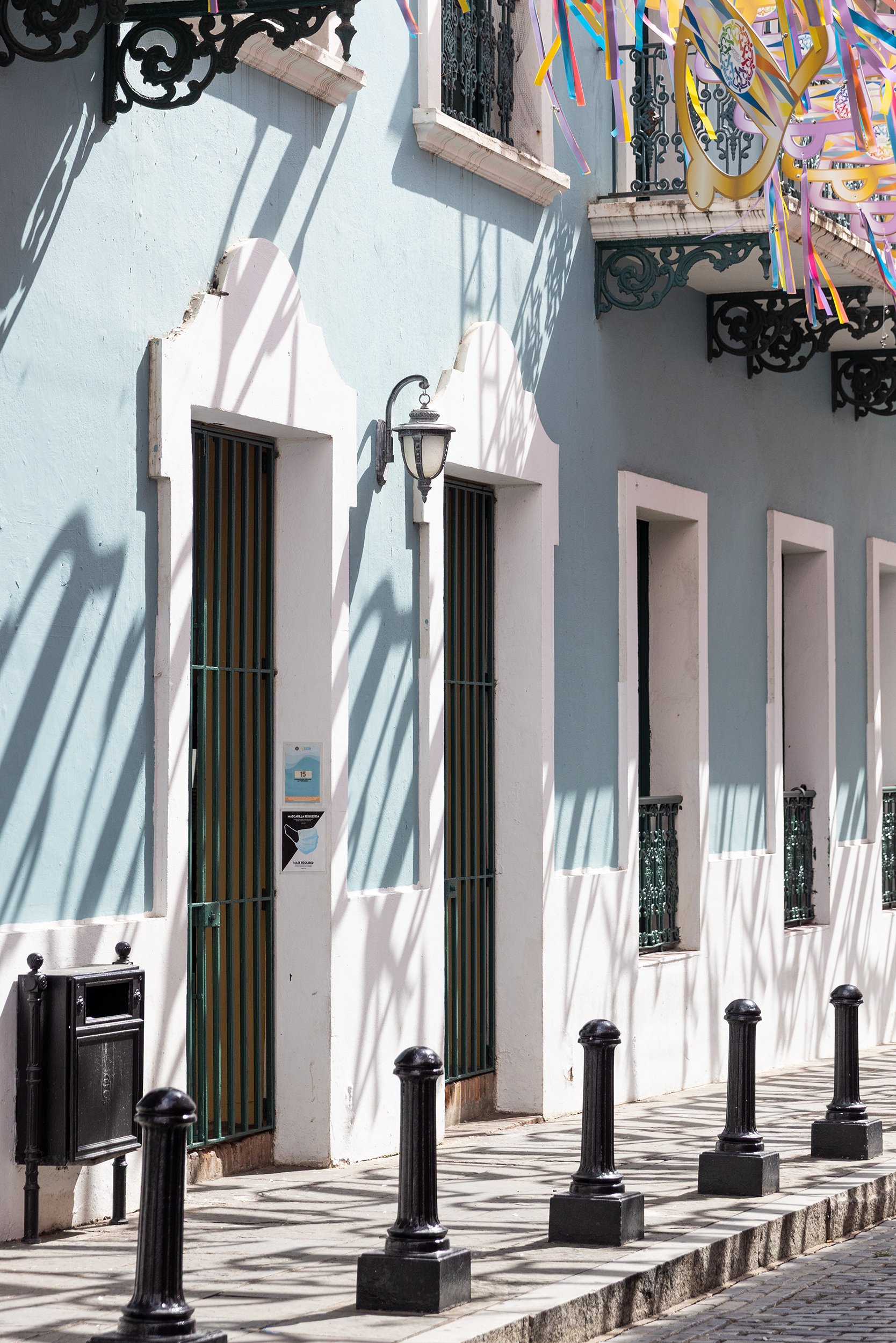
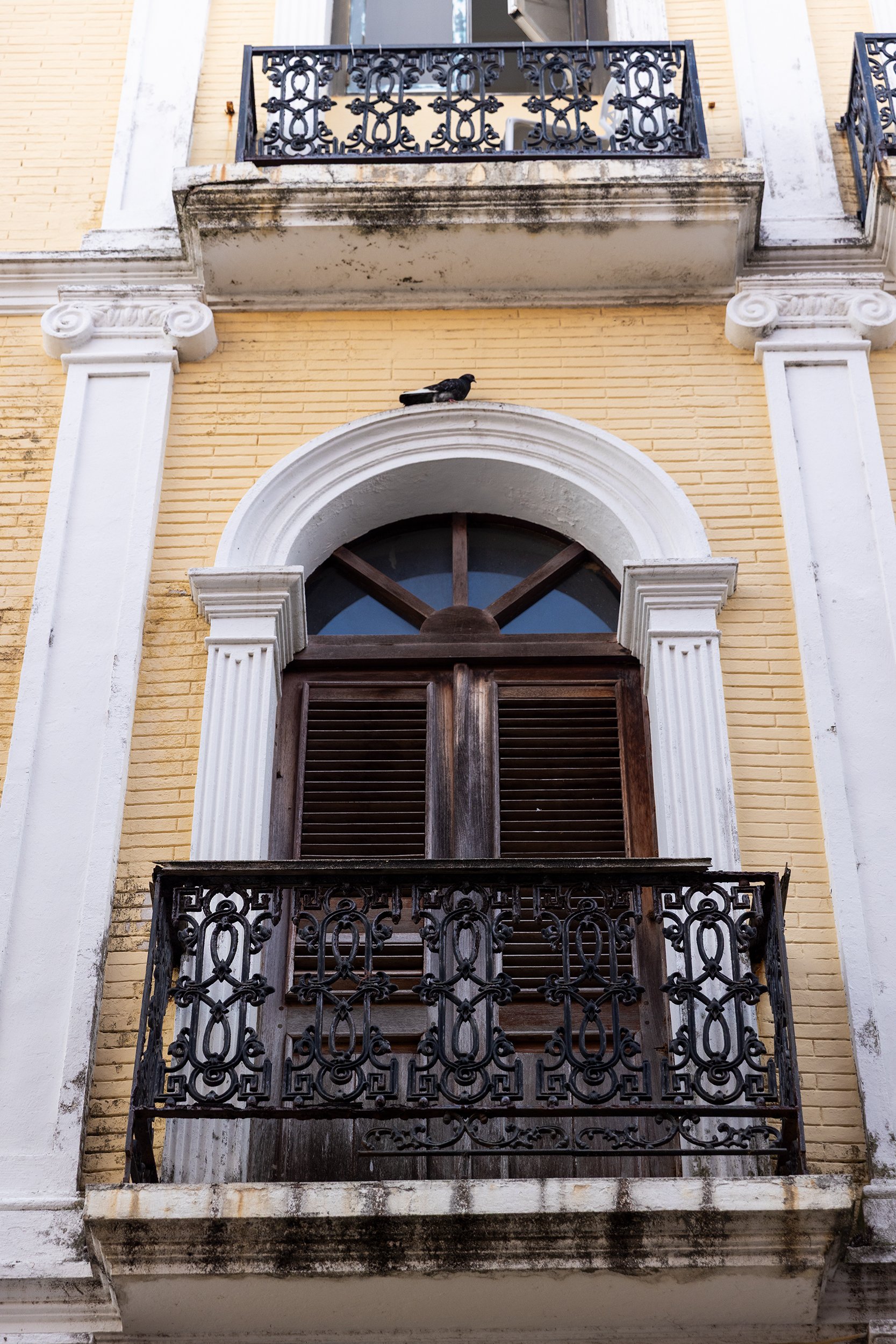
1. Parque de Las Palomas | 2. Buildings along Calle de San Justo | 3. Calle Fortaleza | 4. Balcony on Capilla del Cristo
SITES IN OLD SAN JUAN
CALLE FORTALEZA
Known as Umbrella Street, the street Calle Fortaleza regularly transforms its overhead canopy, cycling through bell streamers, flags, and other installations to reflect the season or a current cause. Calle Fortaleza is aptly named - it runs straight to La Fortaleza, the official residence and workplace of Puerto Rico's governor. The street stretches from Columbus Square through the heart of Old San Juan, flanked by government buildings, boutiques, jewelry stores, restaurants, and hotels along the way.
CAPILLA DEL CRISTO (CHAPEL OF CHRIST)
A small, quaint chapel built in the 1750s next to Parque de las Palomas. Today, the church is reverentially cared for by a group of local women, volunteers called "La Hermandad del Santo Cristo de la Salud" (The Sisterhood of the Holy Christ of Health). It is only open on Tuesdays and religious days.
CASTILLO SAN CRISTÓBAL
Standing tall in Old San Juan, Castillo San Cristóbal is the largest fortification ever built by the Spanish in the Americas. Constructed in the 18th century to defend against land attacks, its massive walls and tunnels stretch over 27 acres. Today, it's a UNESCO World Heritage Site and one of Puerto Rico's most visited landmarks.
CASTILLO SAN FELIPE DEL MORRO
Perched dramatically on a rocky headland at the tip of Old San Juan, Castillo San Felipe del Morro - known as El Morro - has guarded Puerto Rico's coastline since the 16th century. Built by the Spanish to fend off naval attacks, its towering walls and iconic lighthouse make it one of the most striking fortresses in the Caribbean. Like Castillo San Cristóbal, it's a designated UNESCO World Heritage Site.
CATHEDRAL OF SAN JUAN BAUTISTA
One of the oldest Christian churches in the Americas, the Cathedral of San Juan Bautista dates back to 1521. Beyond its stunning Gothic-inspired facade, it serves as the final resting place of explorer Juan Ponce de León.
PALACIO DE SANTA CATALINA
Built in 1533, Palacio de Santa Catalina is the oldest executive mansion in continuous use in the Western Hemisphere and serves as the official residence of the Governor of Puerto Rico. Named after Saint Catherine of Alexandria, it's almost universally known by its nickname La Fortaleza (The Fortress). Originally constructed as a defense fortification, it proved too vulnerable to attack, and that role was eventually taken over by El Morro and Castillo San Cristóbal. It was designated a UNESCO World Heritage Site.
PARQUE DE LAS PALOMAS (PIGEON PARK)
In the 18th century, the heavily fortified city of San Juan erected a wall for cannon placement overlooking the southeastern coast of Puerto Rico. After the cannons were removed or ceased to be used, pigeons began to settle in the sockets left behind.
SANTA MARÍA MAGDALENA DE PAZZIS CEMETERY
Established in 1863, Santa María Magdalena de Pazzis is a historic Catholic cemetery located just outside the walls of Old San Juan, adjacent to El Morro. It serves as the burial site of several prominent Puerto Rican figures, including independence leader Pedro Albizu Campos. Its seaside setting against the Atlantic Ocean makes it one of the most visited cemeteries in the Caribbean.
SAVE A GATO SANCTUARY
A volunteer-run cat sanctuary located along the Paseo del Morro walkway near Castillo San Felipe del Morro. The organization cares for a thriving colony of cats that have made the historic coastal grounds their home, and has become a beloved stop for visitors exploring the area. While there is no entry fee, donations of money, food, or supplies are highly appreciated to support the care of the cats.
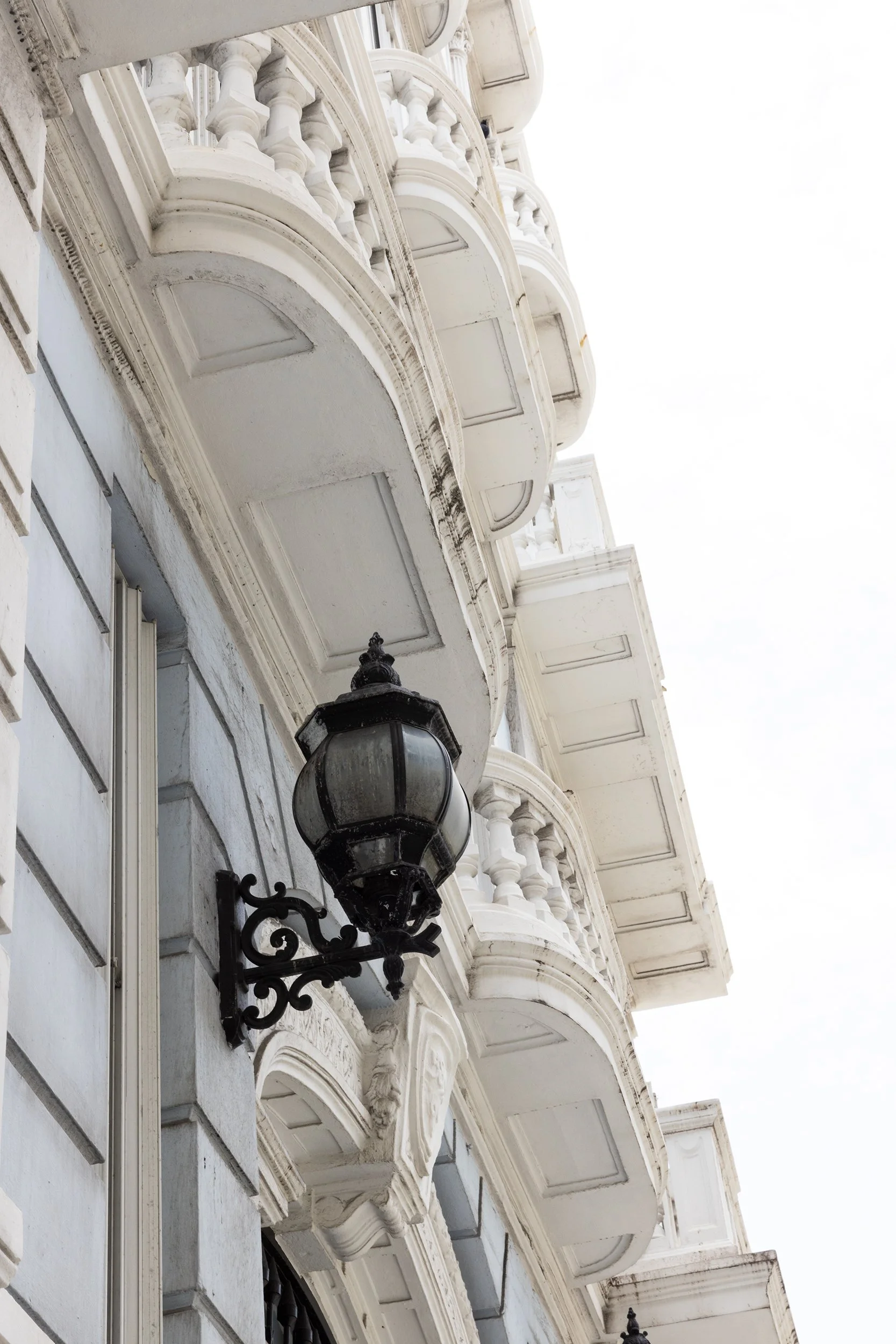
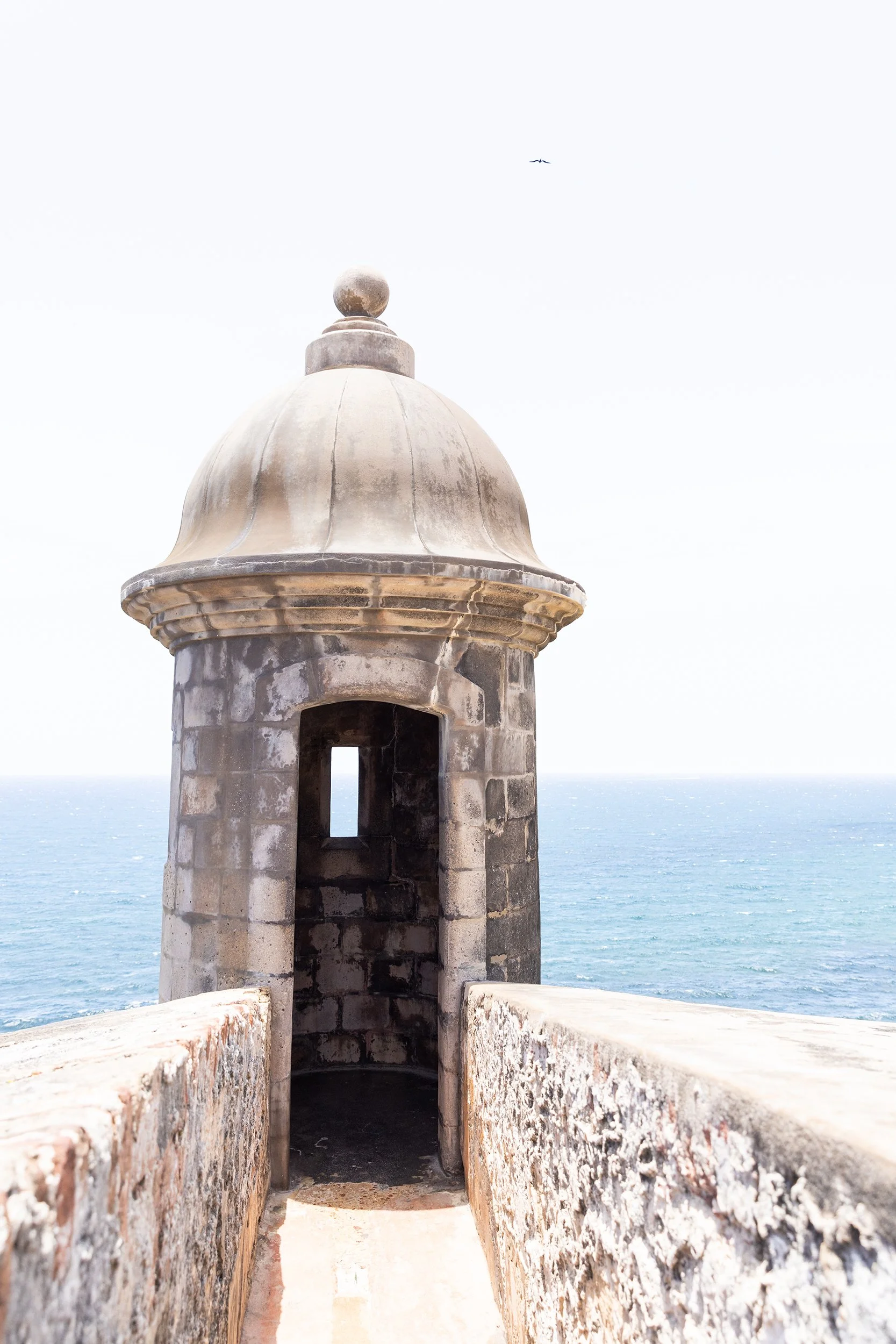
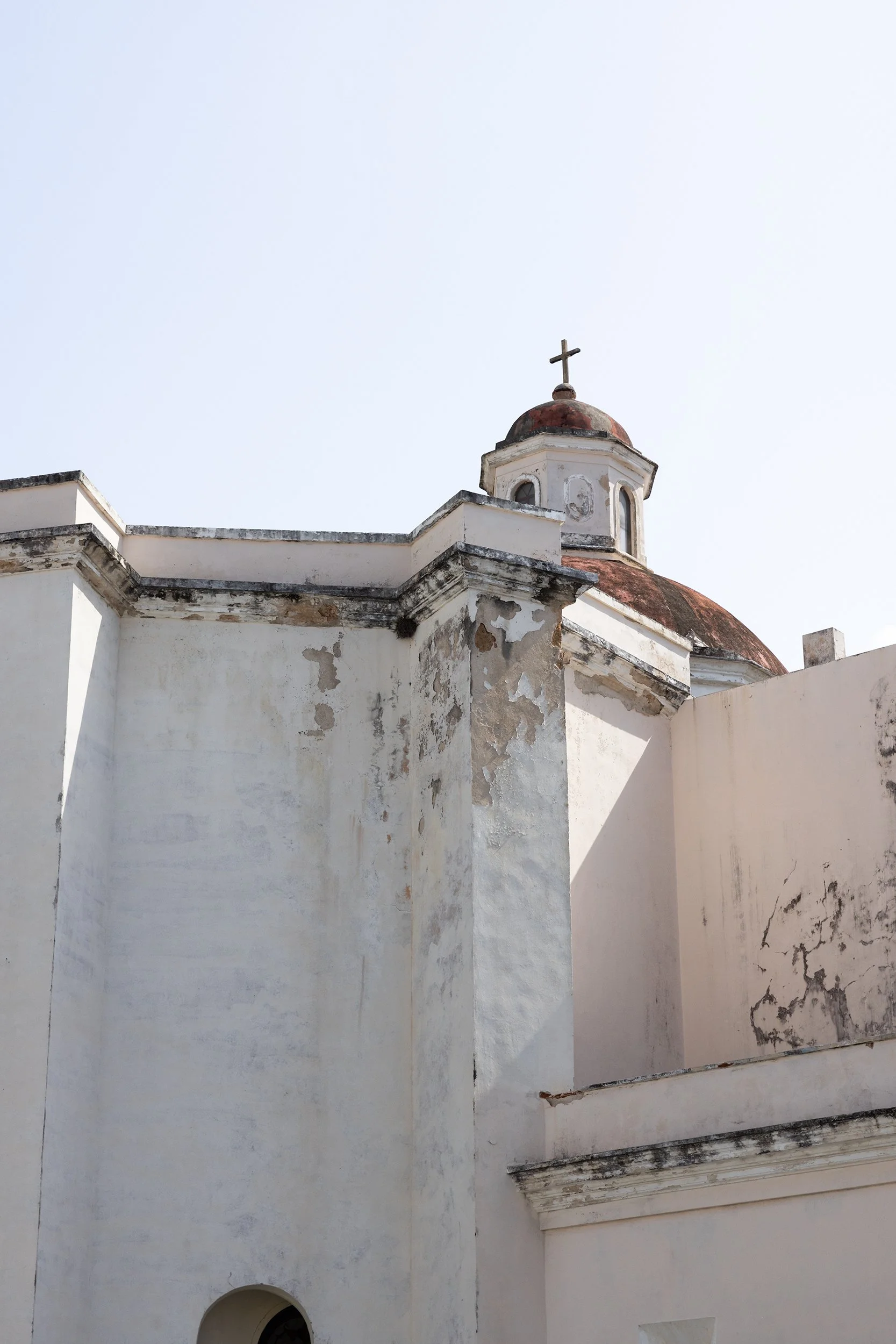
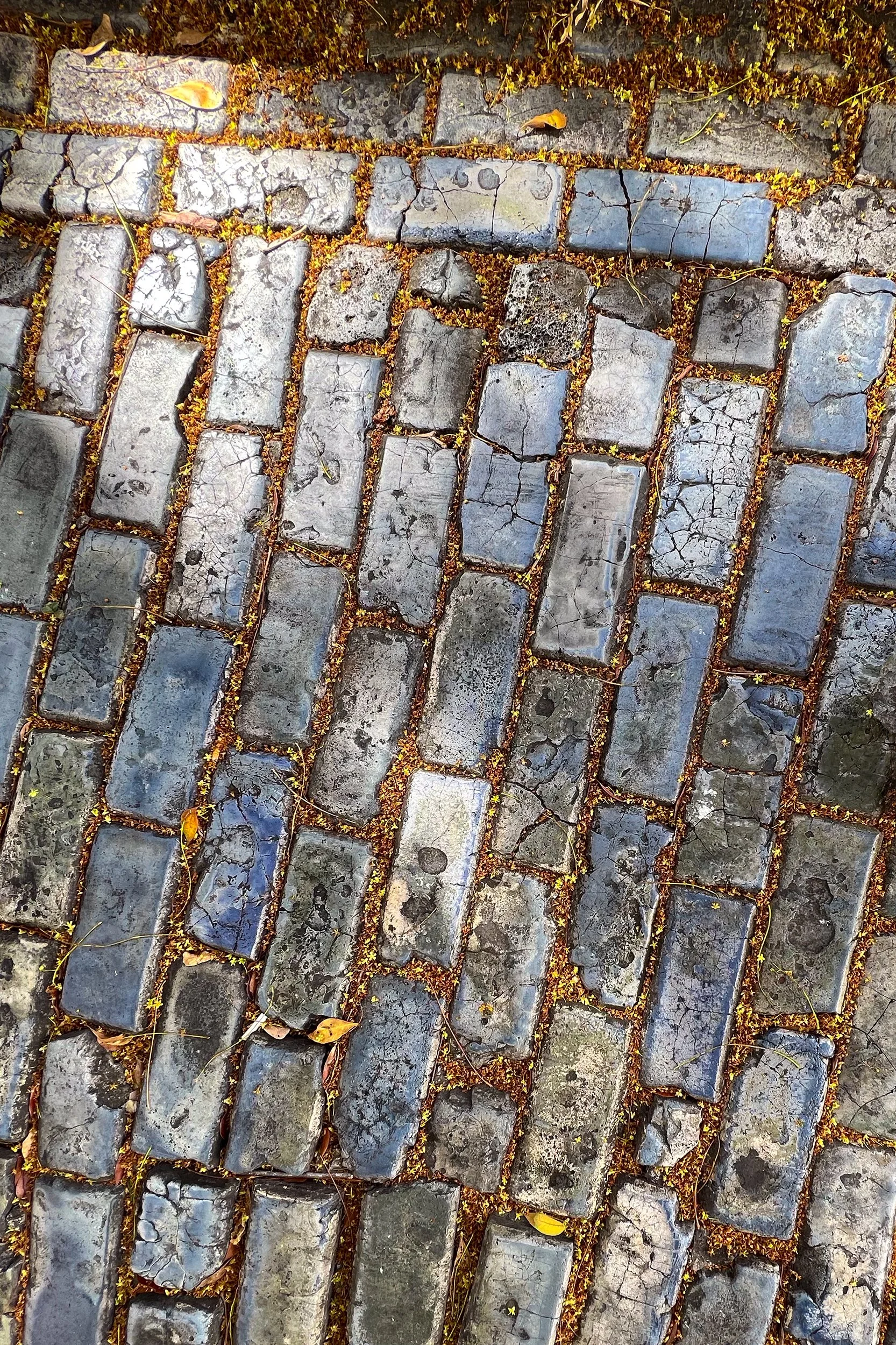
1. Architectural details along Calle Tetuán | 2. Sentry box at Castillo San Felipe del Morro | 3. Cathedral of San Juan Bautista | 4. Blue cobblestones (adoquines) - photo by Laura Woodard
PLANNING YOUR VISIT
GENERAL INFORMATION
Languages Spoken: Puerto Rico has two official languages: Spanish and English, although Spanish is what you’ll typically hear spoken.
Currency: U.S. Dollar ($).
Tipping: Tipping is similar to the United States, with a standard expectation of 15–20% for service-based jobs.
Visas and Passports: United States citizens do not need a passport to visit Puerto Rico.
TOURIST INFORMATION
Discover Puerto Rico
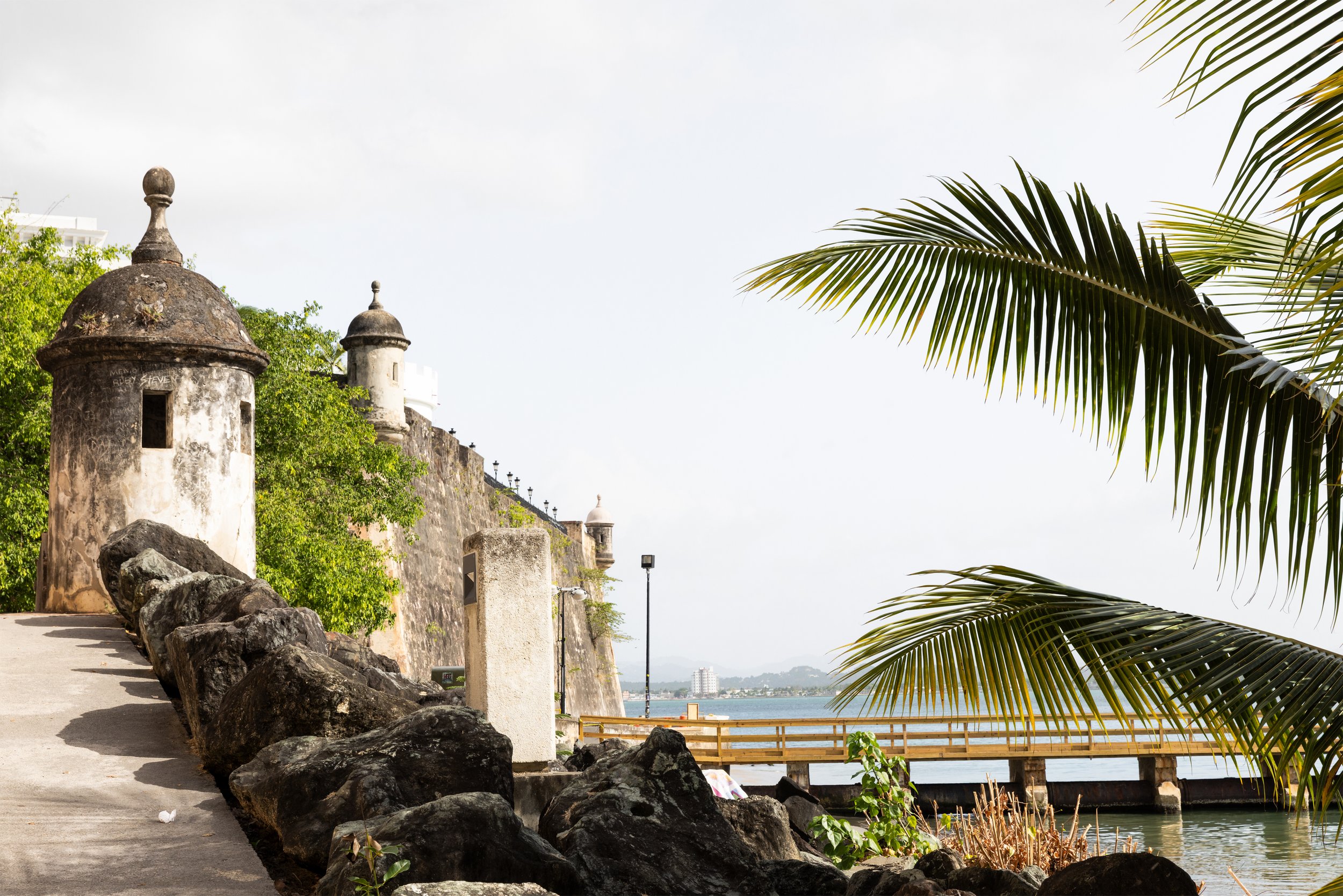
Paseo de la Princesa, a scenic promenade along the edge of Old San Juan's city walls overlooking San Juan Bay - part of the San Juan National Historic Site complex that includes the iconic Castillo San Felipe del Morro



Provence and the Luberon villages of France