
Should You Visit Ghent? An Honest Day Trip Review
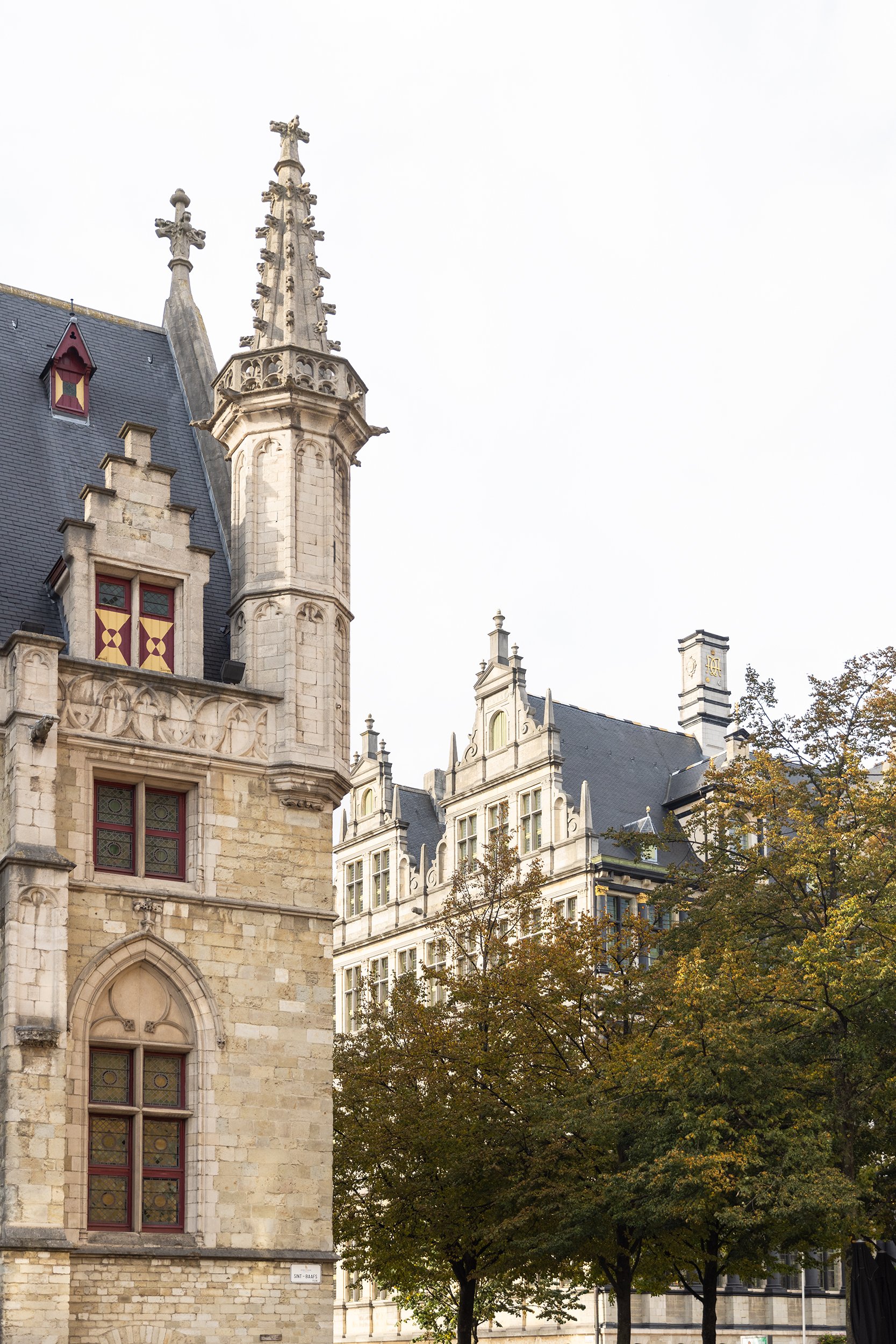
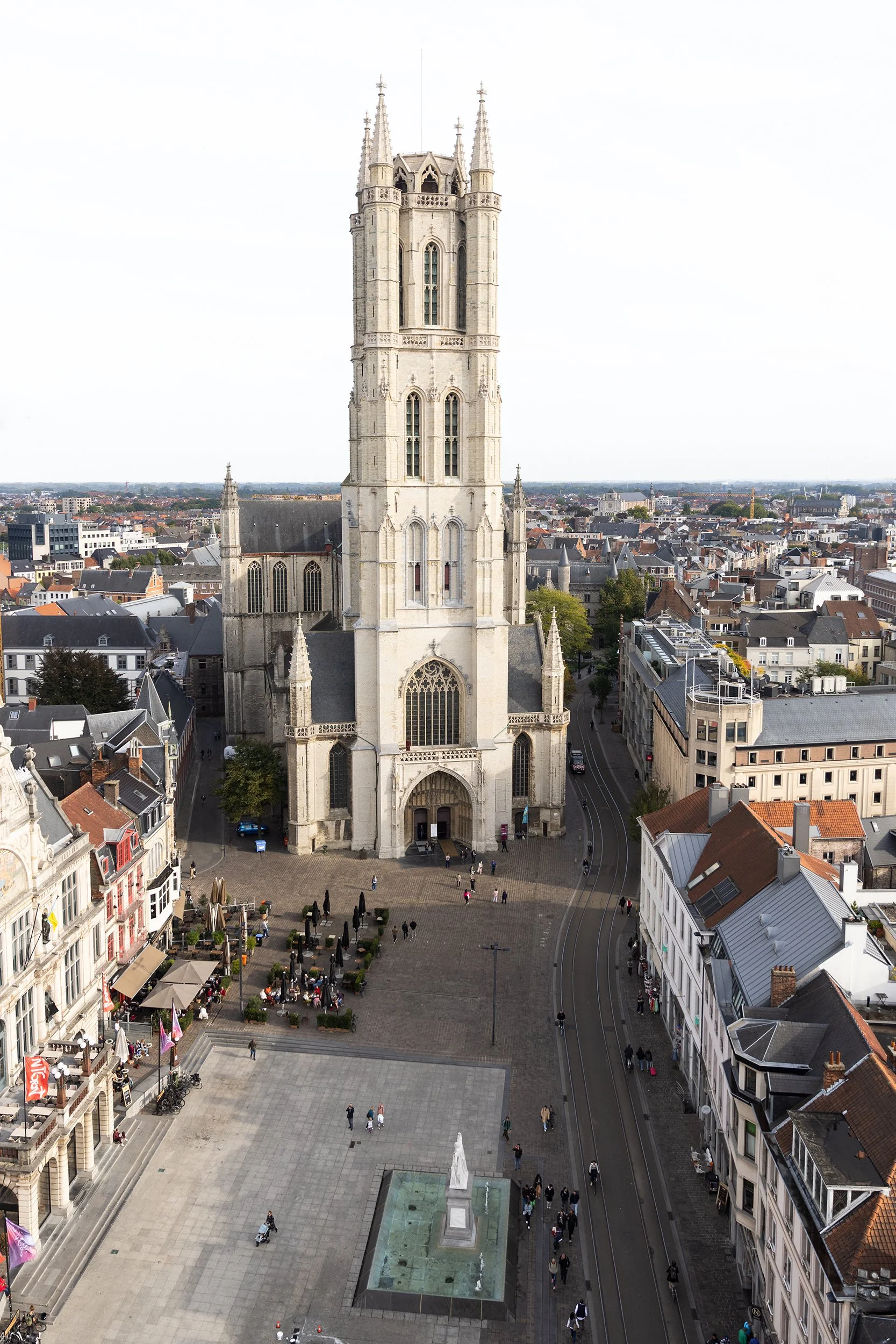
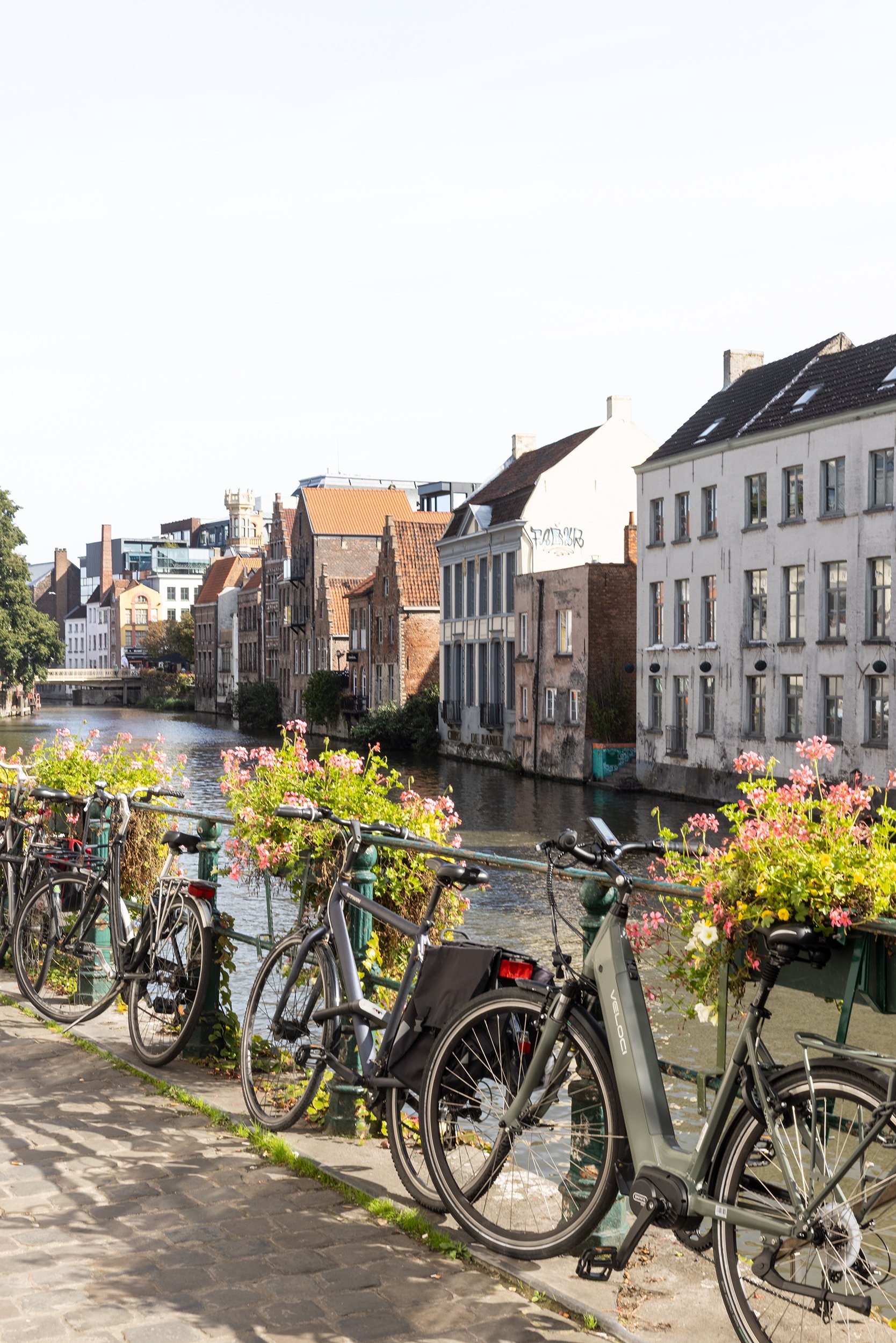
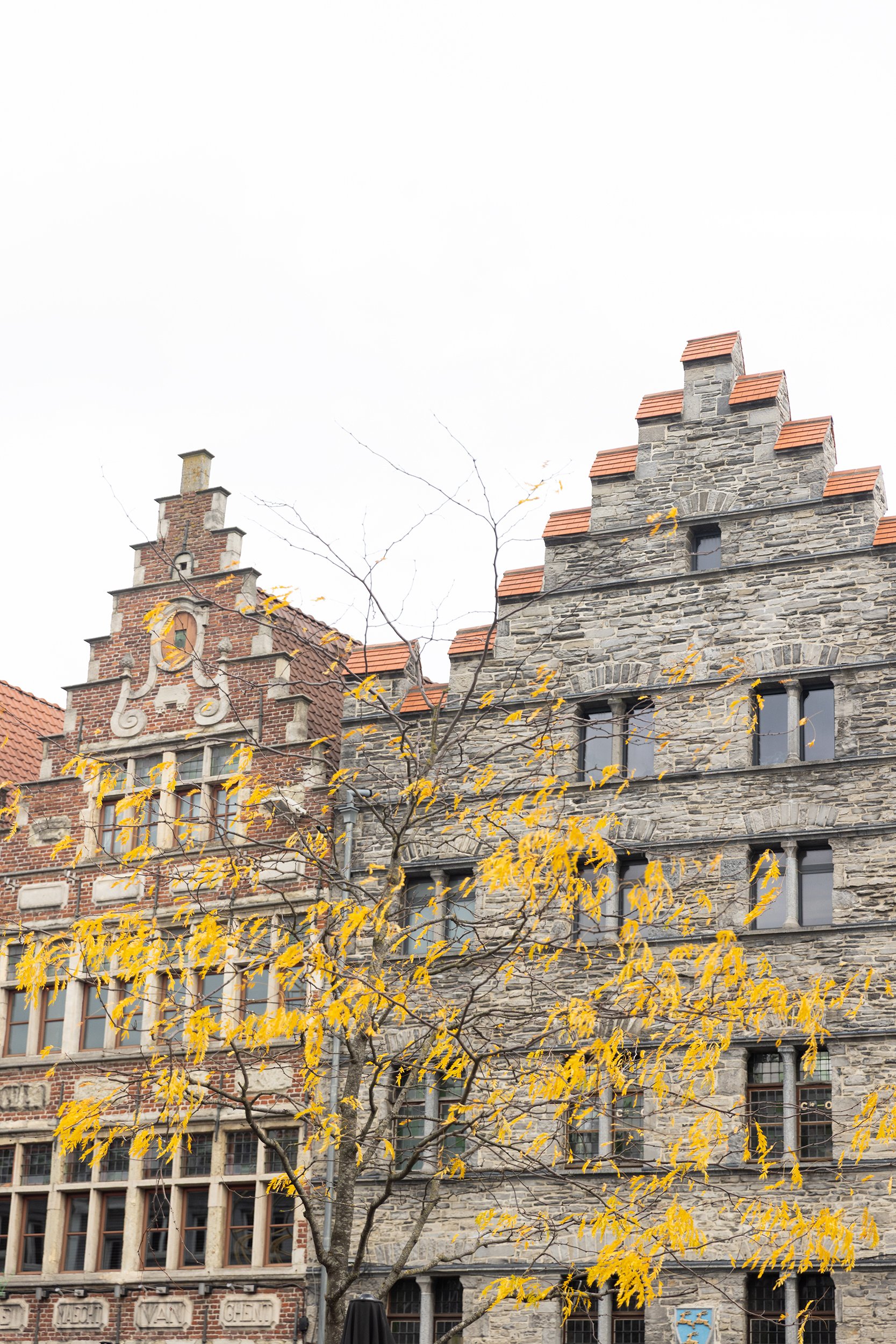
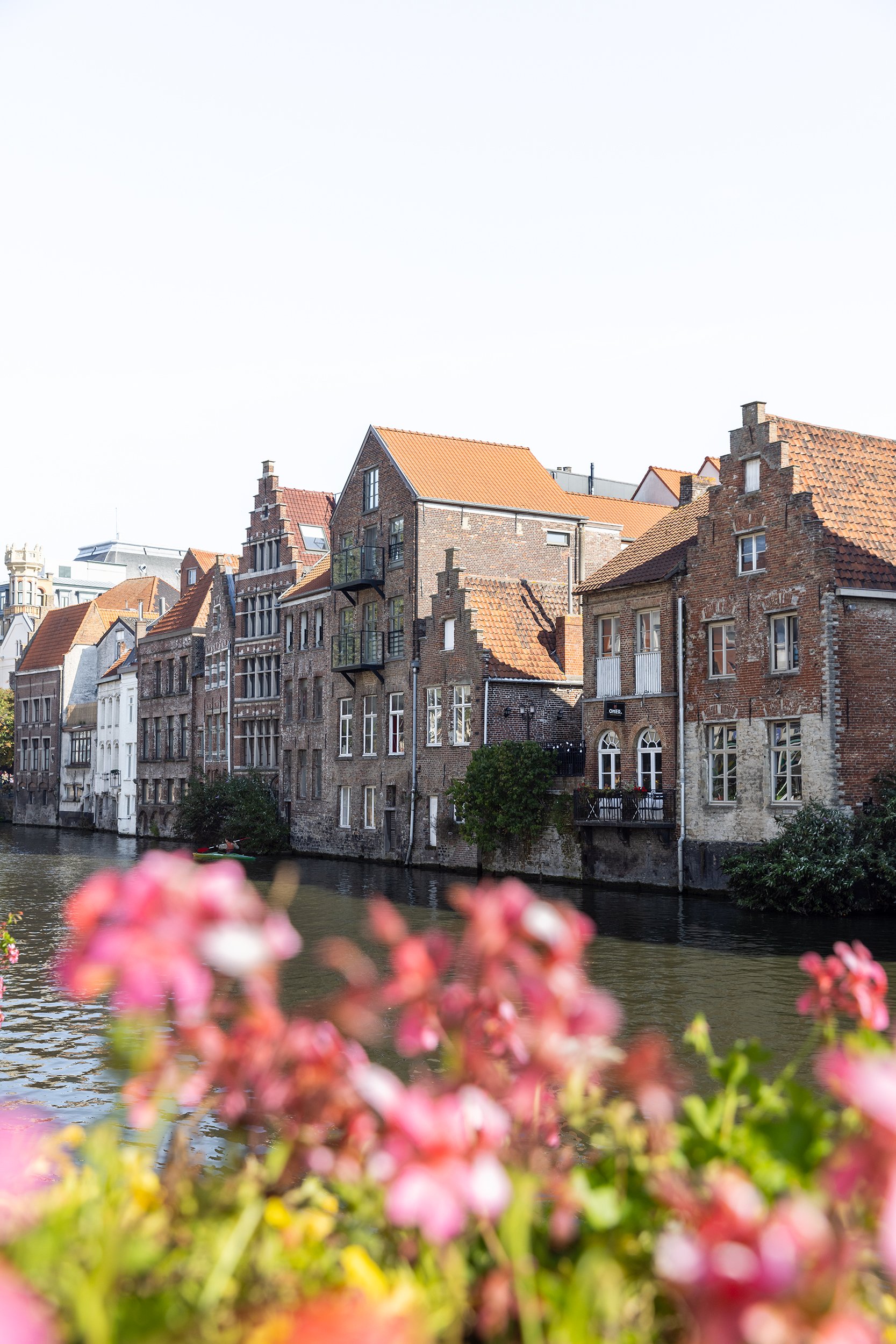
1. Lakenhalle Ghent (The Ghent Cloth Hall) is a building that was used as a trading and stacking place for cloth in the Middle Ages | 2. The view from the Belfry looking out to St. Bavo's Cathedral | 3. The embankmentof the Leie River along Kraanlei | 4. Borluutsteen, a historic Romanesque stone house (steen) located on the Korenmarkt
Disclosure: This post may contain affiliate links. That means if you buy something following a link from this page, we’ll receive a small commission at no cost to you. We only promote products and services that we truly believe in.
Prior to visiting Belgium, we had read about doing the Belgium triangle, the popular tourist route connecting Brussels, Bruges, and Ghent. Ghent looked charming, so we planned it as a day trip from our base in Bruges. I was traveling with my sister, Laura, her husband, and her daughter, and we all agreed that Ghent was a must-see destination.
While Ghent has its own medieval architecture and historical significance, we found it had a distinctly different character from Bruges. The city felt more contemporary and lived-in, with a pronounced student population given its large university presence. The atmosphere was less of the preserved, fairy-tale aesthetic that drew us to Bruges and more of a working city with historical elements woven throughout. For travelers seeking the quintessential "storybook" medieval experience, Bruges may resonate more strongly, while those interested in a blend of history and vibrant modern city life might prefer Ghent's energy. In the end, we found Ghent lacked the charm and magic that Bruges offered, and honestly wished we'd spent that extra day exploring more of Bruges instead.
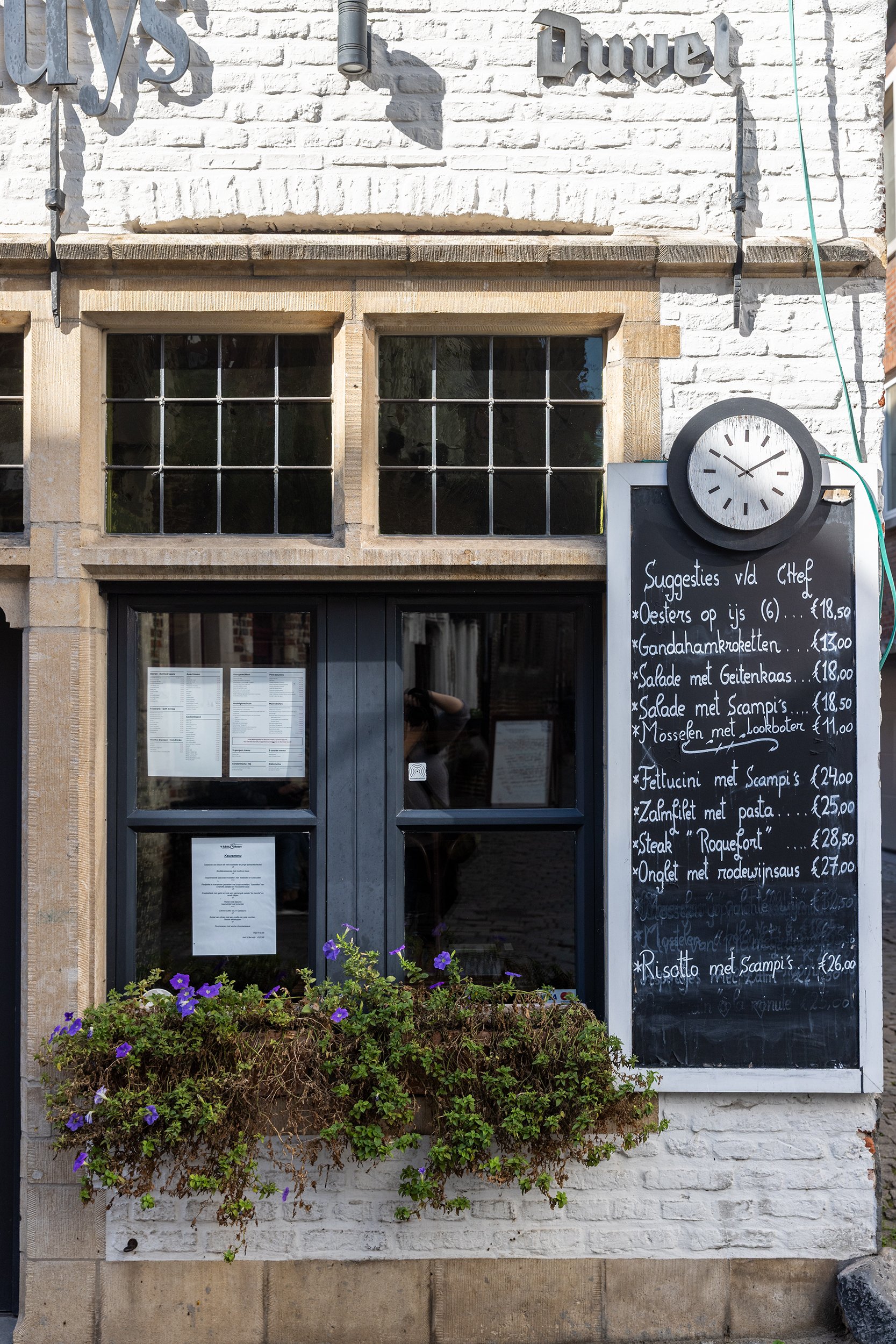
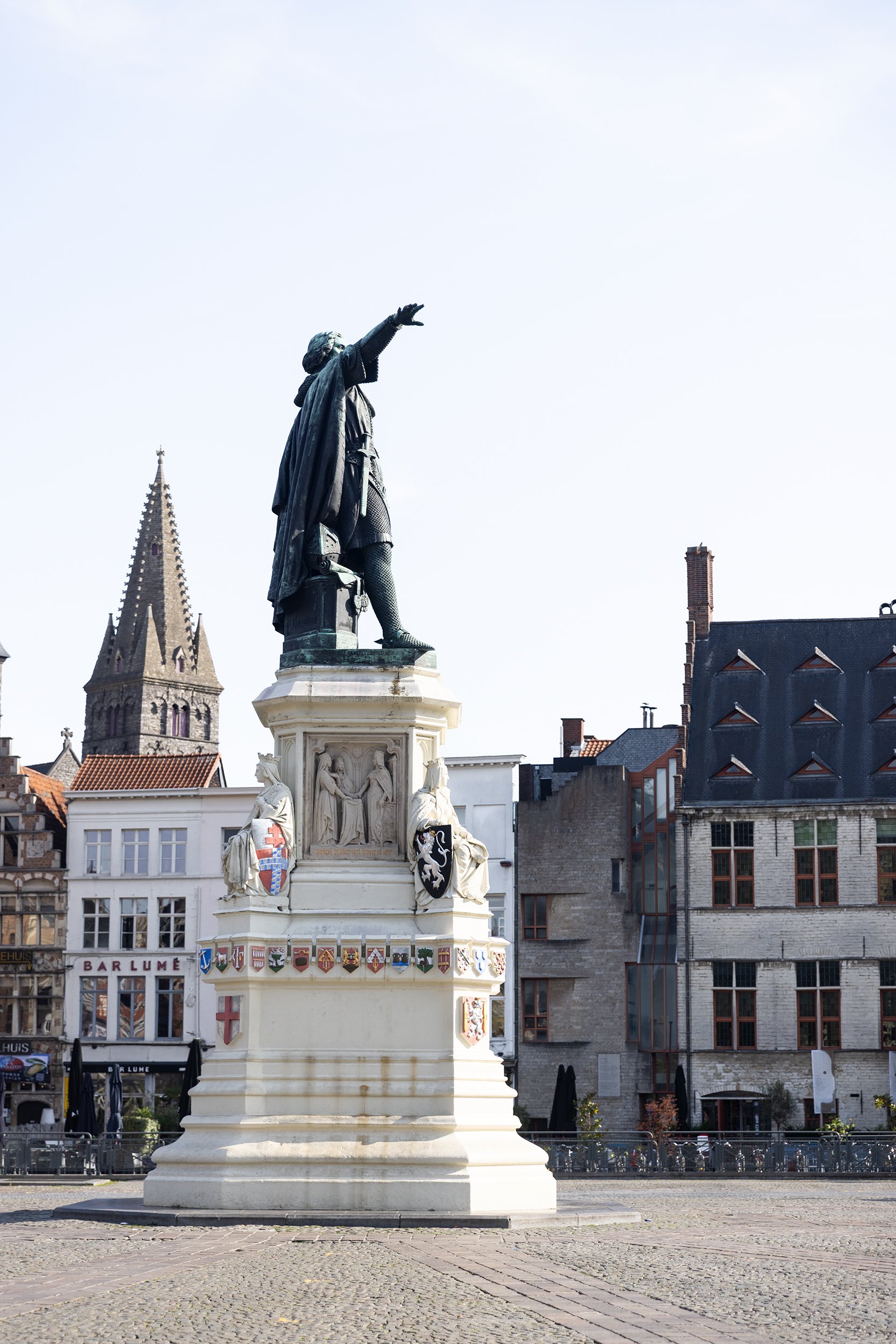
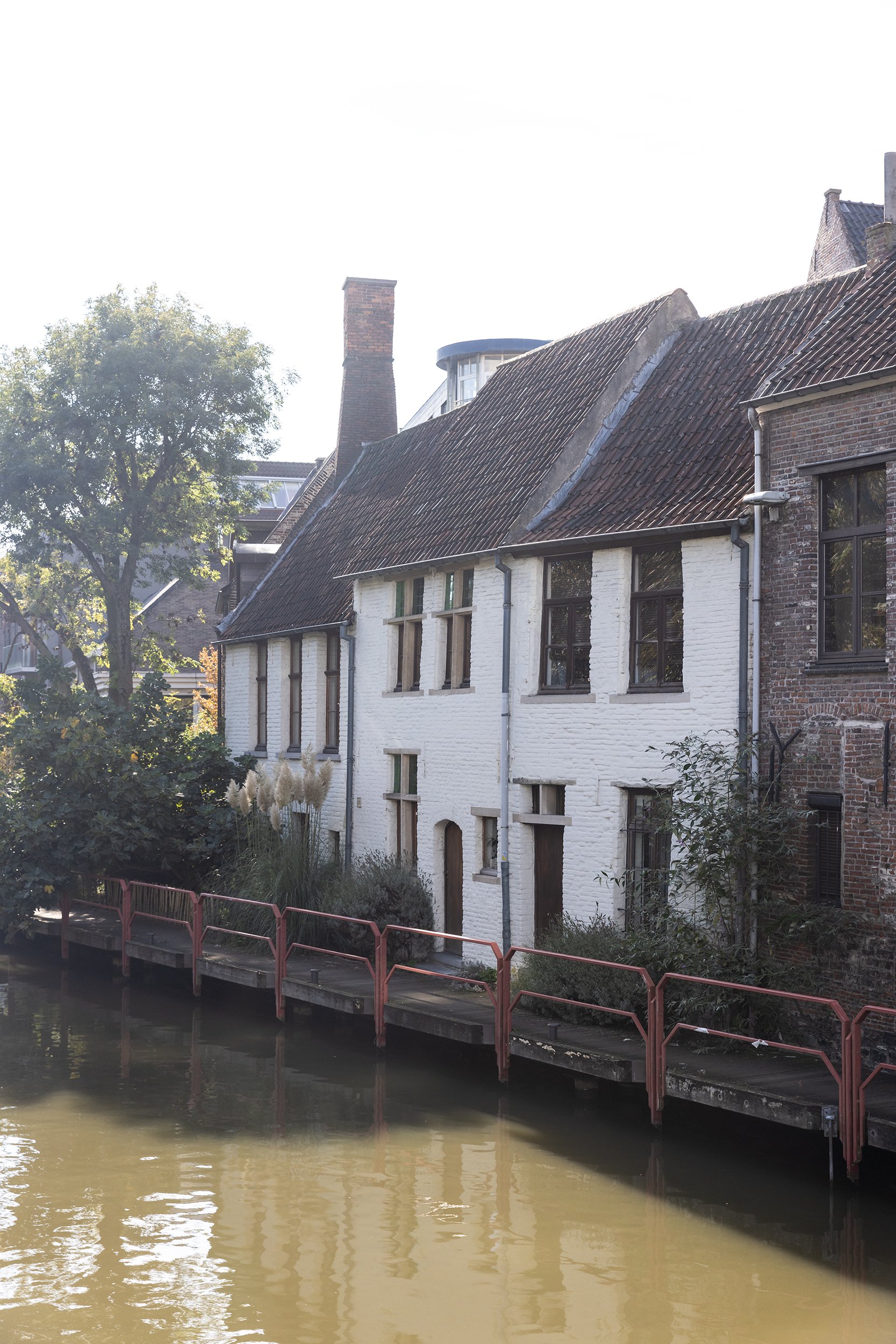
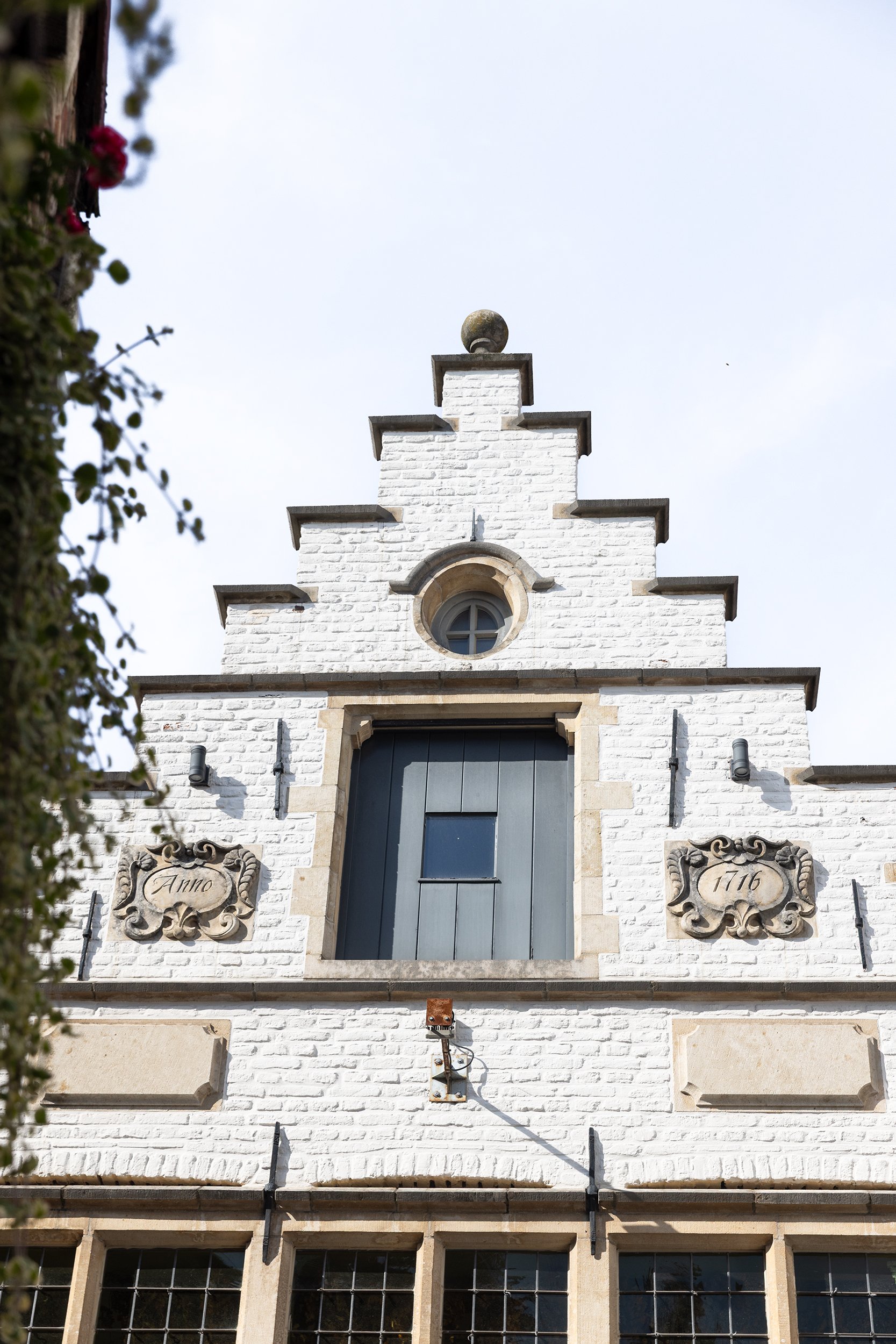
1. ‘t Klokhuys Brasserie on Corduwaniersstraat | 2. Statue of Jacob van Artevelde at the Vrijdagmarkt | 3. Krommewal bridge | 4. ‘t Klokhuys Brasserie
Getting to Ghent from Bruges proved remarkably straightforward, thanks to Belgium's efficient rail network. Trains run frequently between the two cities, and the journey takes only about 30 to 45 minutes. The short travel time makes Ghent an effortless excursion without requiring an early morning departure or eating up your entire day. Once you arrive at Gent-Sint-Pieters station, it's either a 20-minute walk or a quick tram ride (lines 1 or 4) into the historic city center. The convenience of the connection means you can explore Ghent's highlights at a leisurely pace and still return to Bruges in time for dinner, making it a good option for those who want to see more of Belgium without the hassle of changing accommodations.
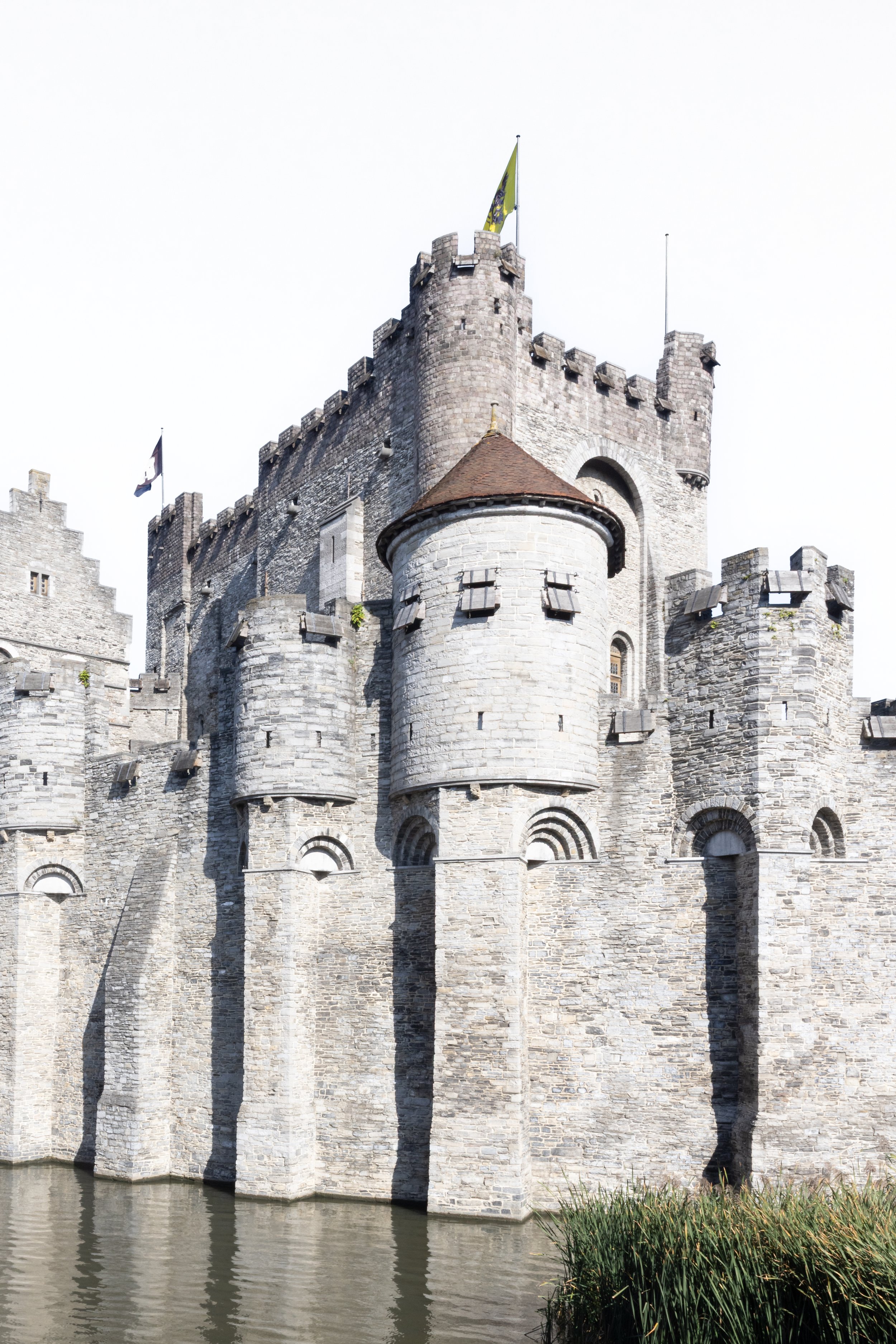
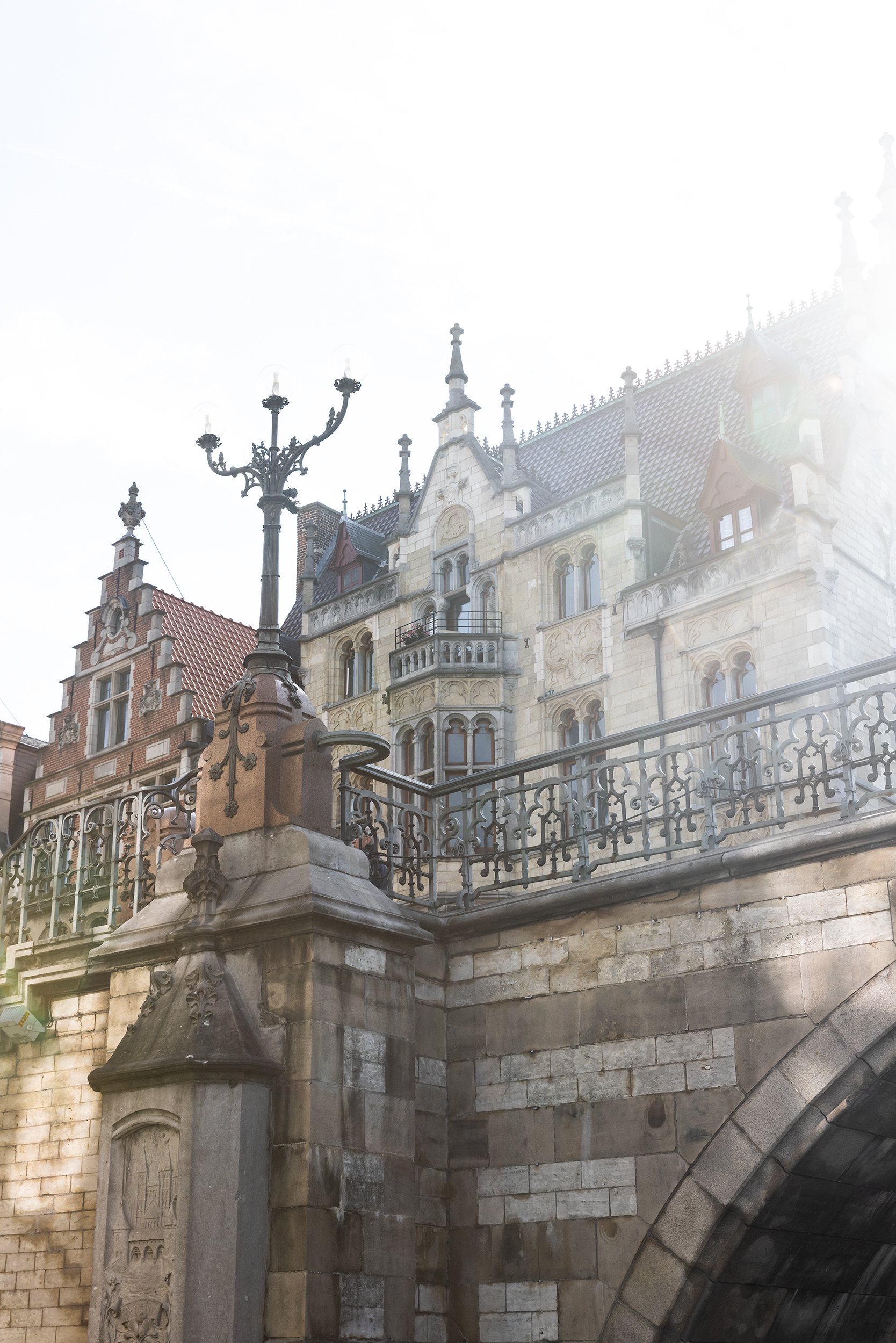
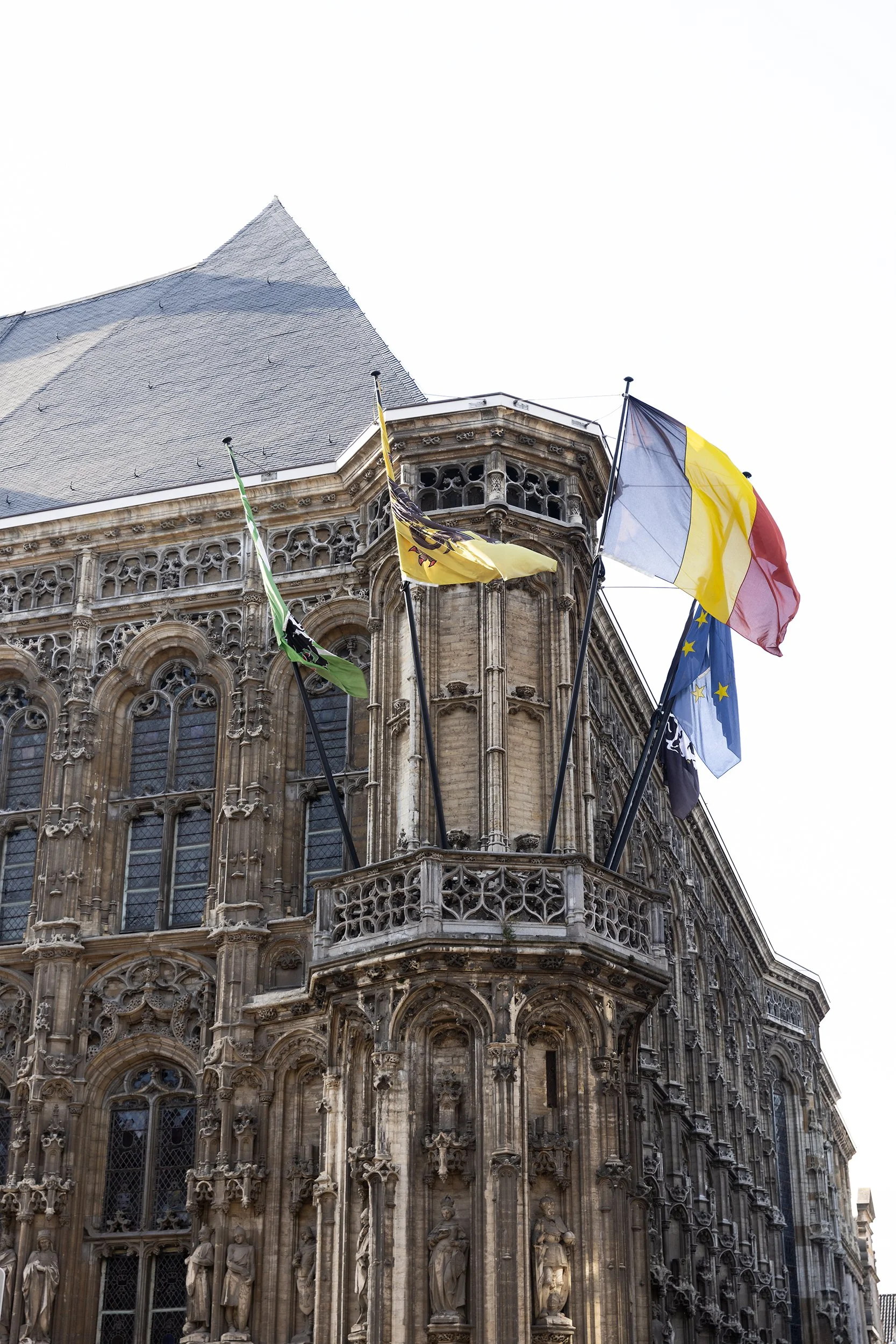
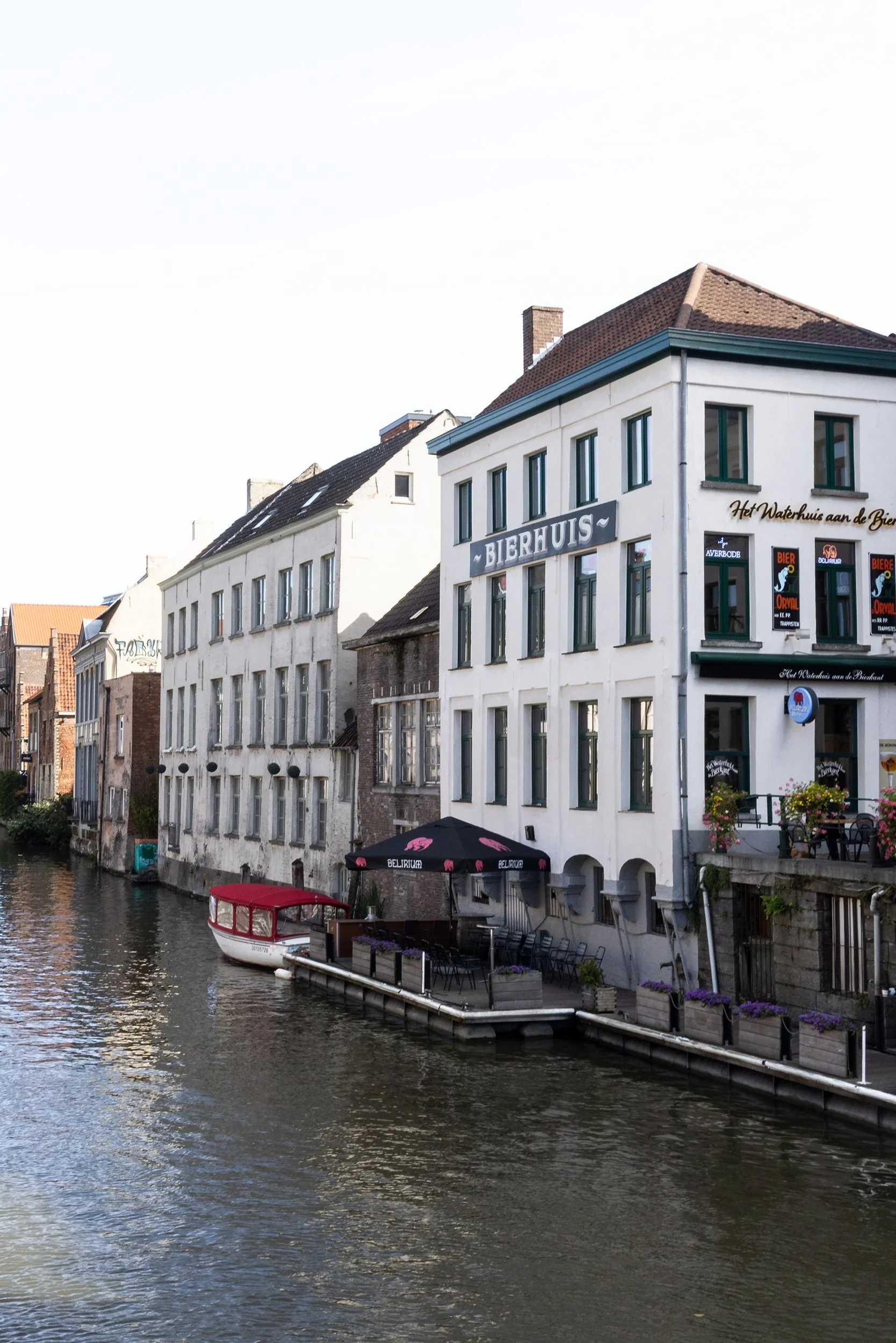
1. Gravensteen fortress | 2. Sint-Michielsbrug | 3. Stadhuis (Ghent City Hall) | 4. Het Waterhuis aan de Bierkant as viewed from the embankment of the Leie River
HISTORIC GHENT
The historic center of Ghent is defined by three medieval towers rising above the cityscape in close proximity to one another.
SINT-BAAFSKATHEDRAAL (SAINT BAVO'S CATHEDRAL)
Saint Bavo's Cathedral (Sint-Baafskathedraal) is a Gothic church whose construction spanned from the 13th to the 16th centuries. The interior showcases soaring vaulted ceilings, ornate baroque chapels, and an extensive art collection that draws visitors interested in both religious architecture and historical works.
SINT-NIKLAASKERK (SAINT NICHOLAS' CHURCH)
Saint Nicholas' Church is one of Ghent's oldest Gothic structures, built in the 13th century from distinctive blue-gray Tournai limestone. The church exemplifies the Scheldt Gothic style, with its central tower originally serving as a civic watchtower before the Belfry was constructed. The interior is relatively austere compared to other churches in the area, allowing the medieval Gothic architecture—stone columns and vaulted ceilings—to take center stage. Its central location near the Belfry and Saint Bavo's Cathedral makes it an easy addition when exploring Ghent's historic core.
HET BELFORT VAN GENT (BELFRY OF GHENT)
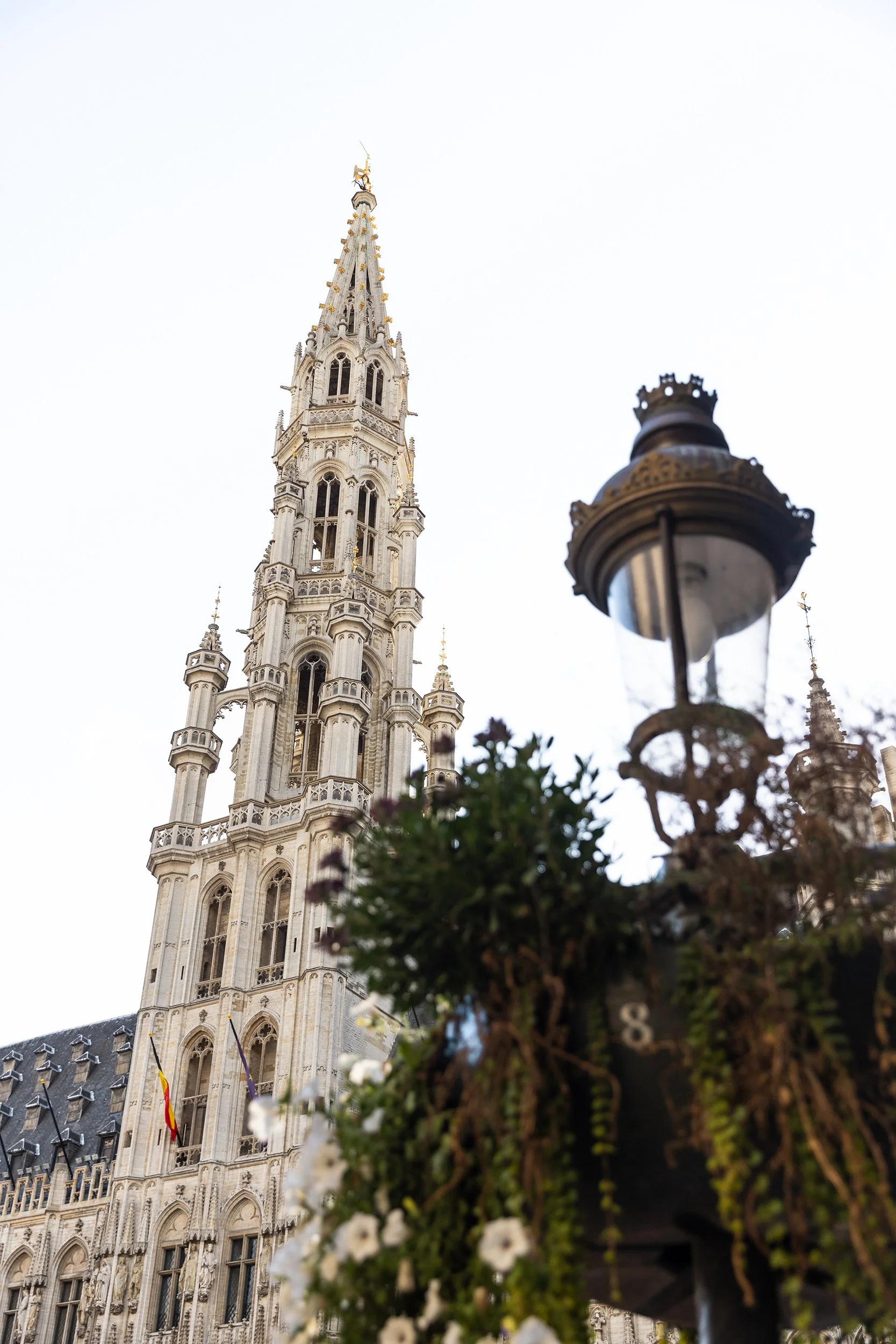
The Belfort, Lakenhal en Mammelokker (ancienne prison), which translates to the Belfry, Cloth Hall, and Mammelokker (old prison). These three historic structures are connected as part of a single architectural complex, with the belfry tower rising above the medieval cloth trading hall and the former prison building. The Belfry of Ghent stands as a symbol of the city's medieval independence and civic pride. Constructed between 1313 and 1380, this UNESCO World Heritage Site rises 91 meters above the city center and served as both a watchtower and a repository for important municipal documents and the city's privileges. The distinctive gilded copper dragon perched atop the tower has become one of Ghent's most recognizable symbols.
Visitors can climb the tower - either by stairs or a combination of stairs and elevator - to reach the upper levels, where panoramic views stretch across the city's three medieval towers and historic rooftops. Unlike many bell towers that are attached to churches, Ghent's Belfry is a freestanding civic structure, emphasizing its role as a secular monument to the city's prosperity and autonomy during the Middle Ages. The bells inside once regulated daily life in Ghent, signaling everything from market hours to emergencies.
The dragon has quite a history. It wasn't originally made for Ghent's Belfry. The gilded copper dragon was actually taken from Bruges as spoils of war following a military victory in 1382, when Ghent defeated Bruges at the Battle of Beverhoutsveld. After the battle, Ghent's forces removed the dragon from a cathedral tower in Bruges and transported it back to their city, where it was installed atop the Belfry as a trophy and symbol of their triumph.
The dragon's story goes back even further - some accounts suggest it may have originated in Constantinople and been brought to Flanders during the Crusades in the early 13th century. Regardless of its ultimate origins, the dragon has watched over Ghent from its perch since the late 14th century, representing both the city's independence and its historic rivalry with neighboring Bruges. The first dragon that was taken from Bruges in 1377 remained on the tower for nearly 500 years before being replaced in 1853. The current dragon is actually the third version, installed in 1980 during restoration work.
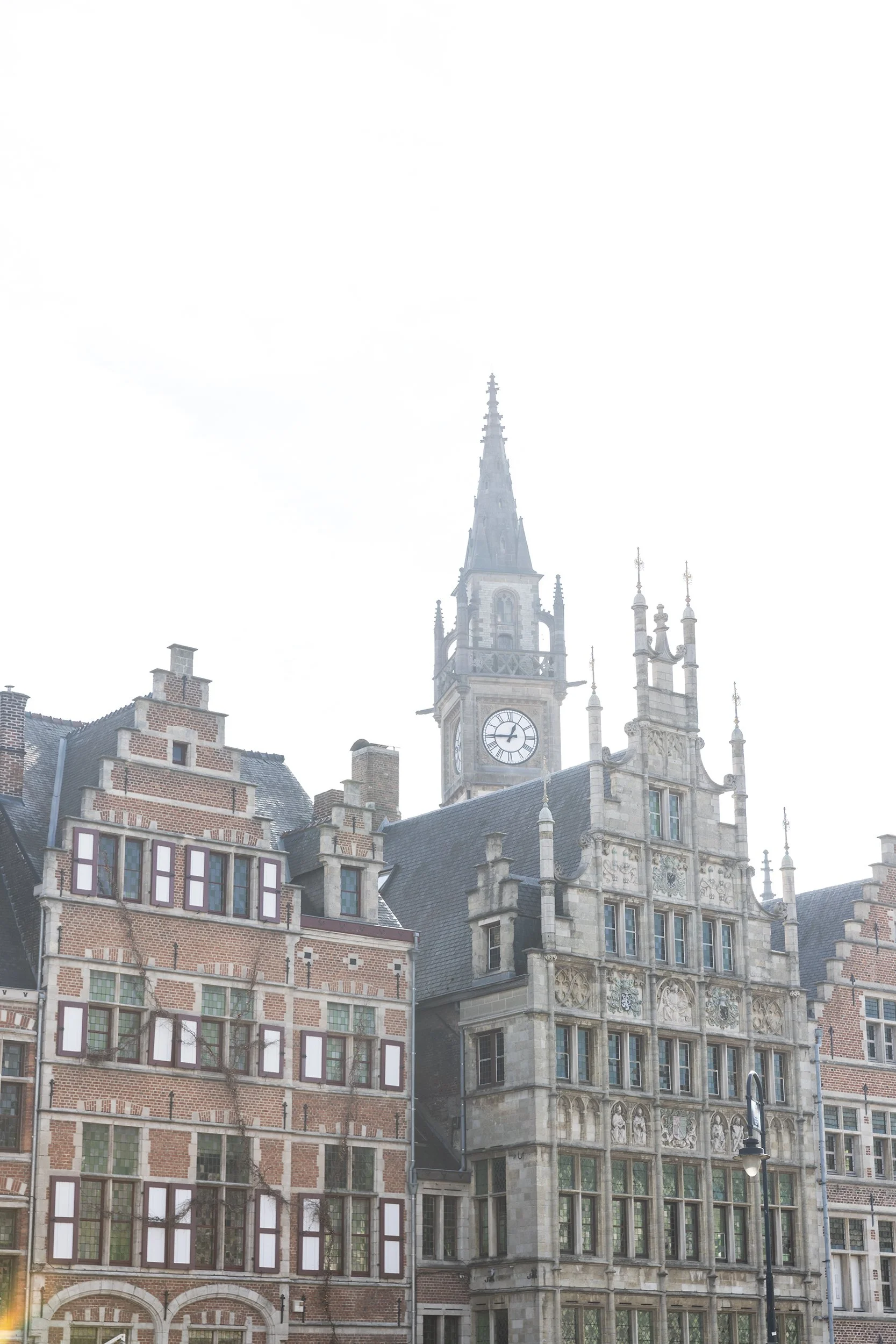
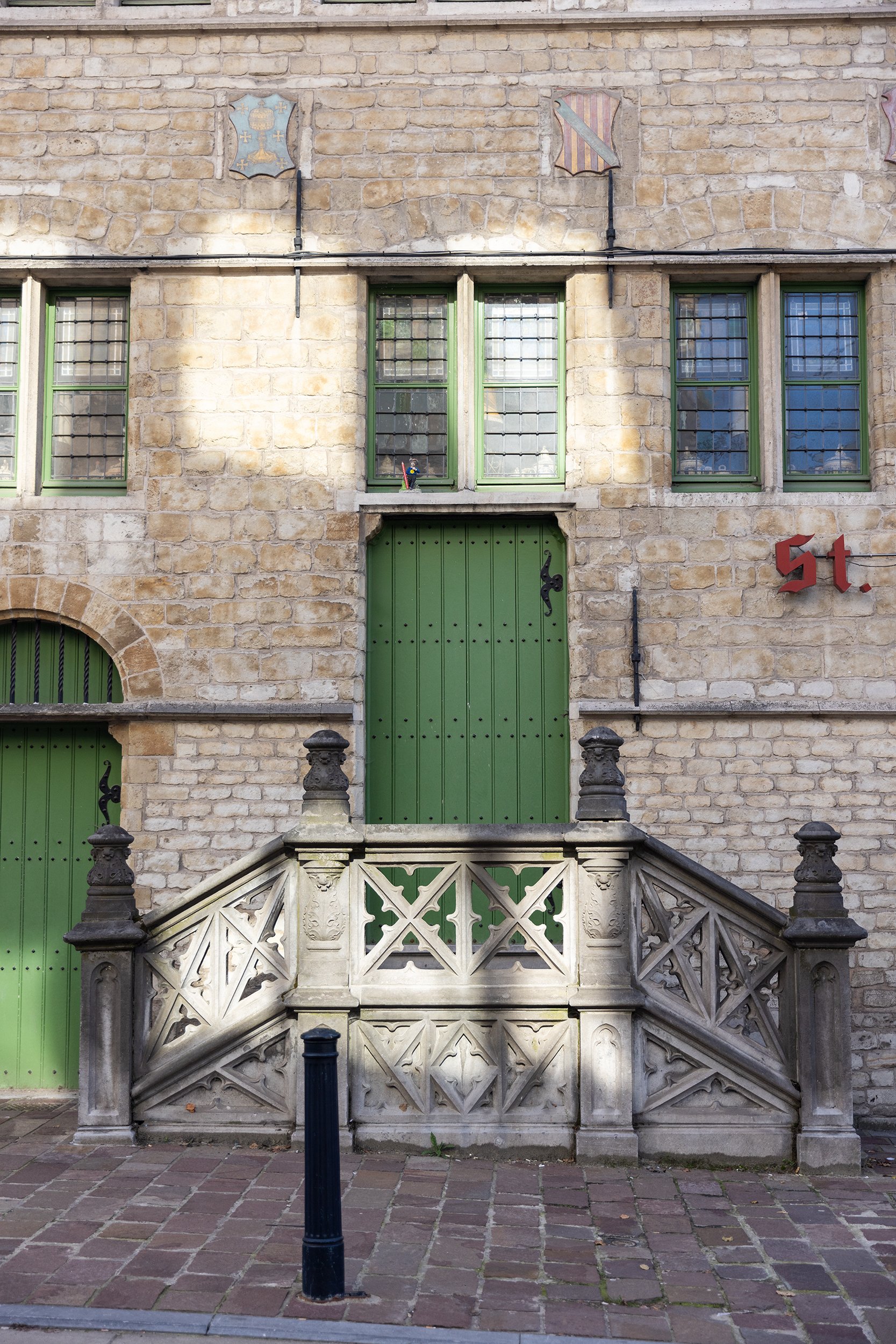
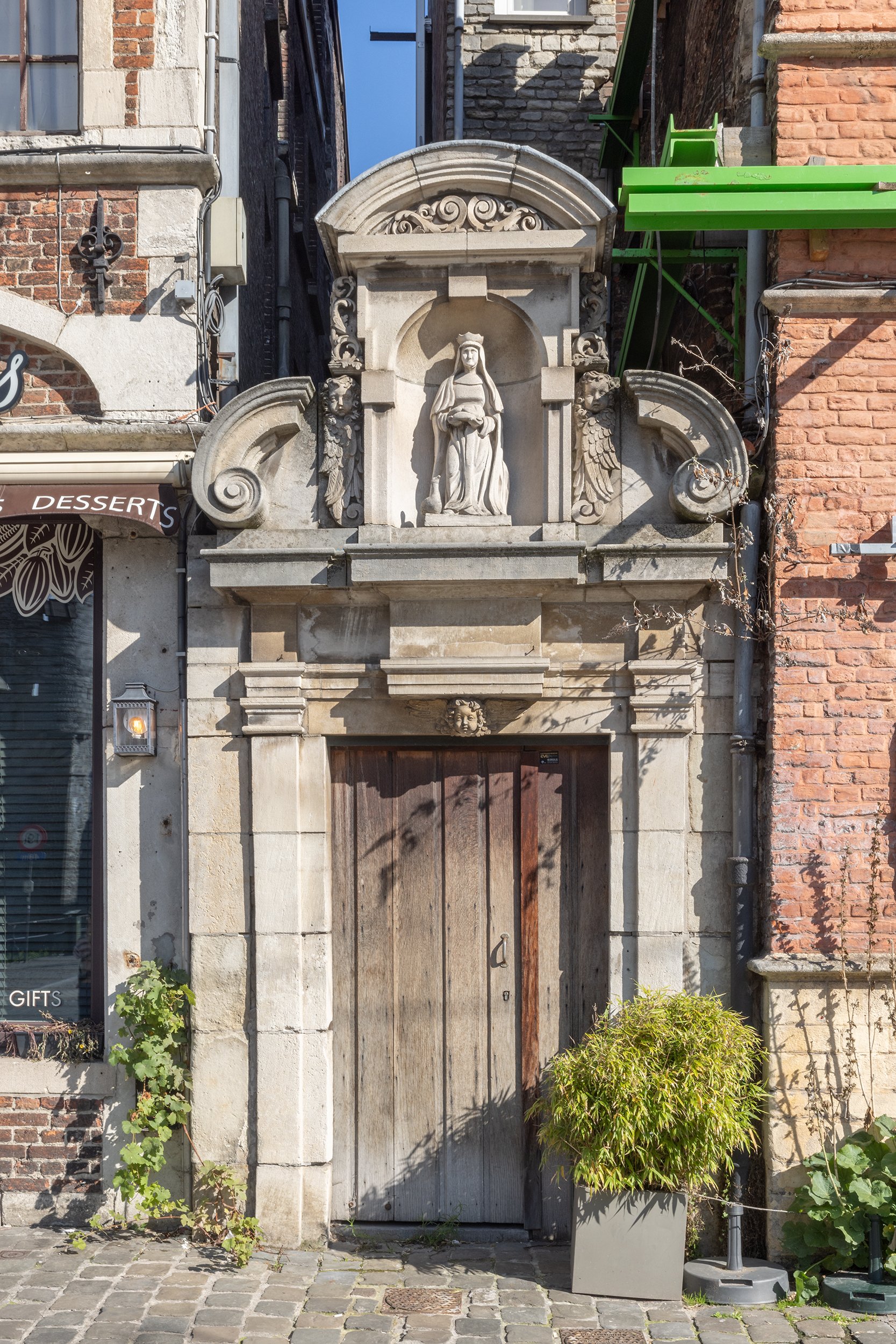
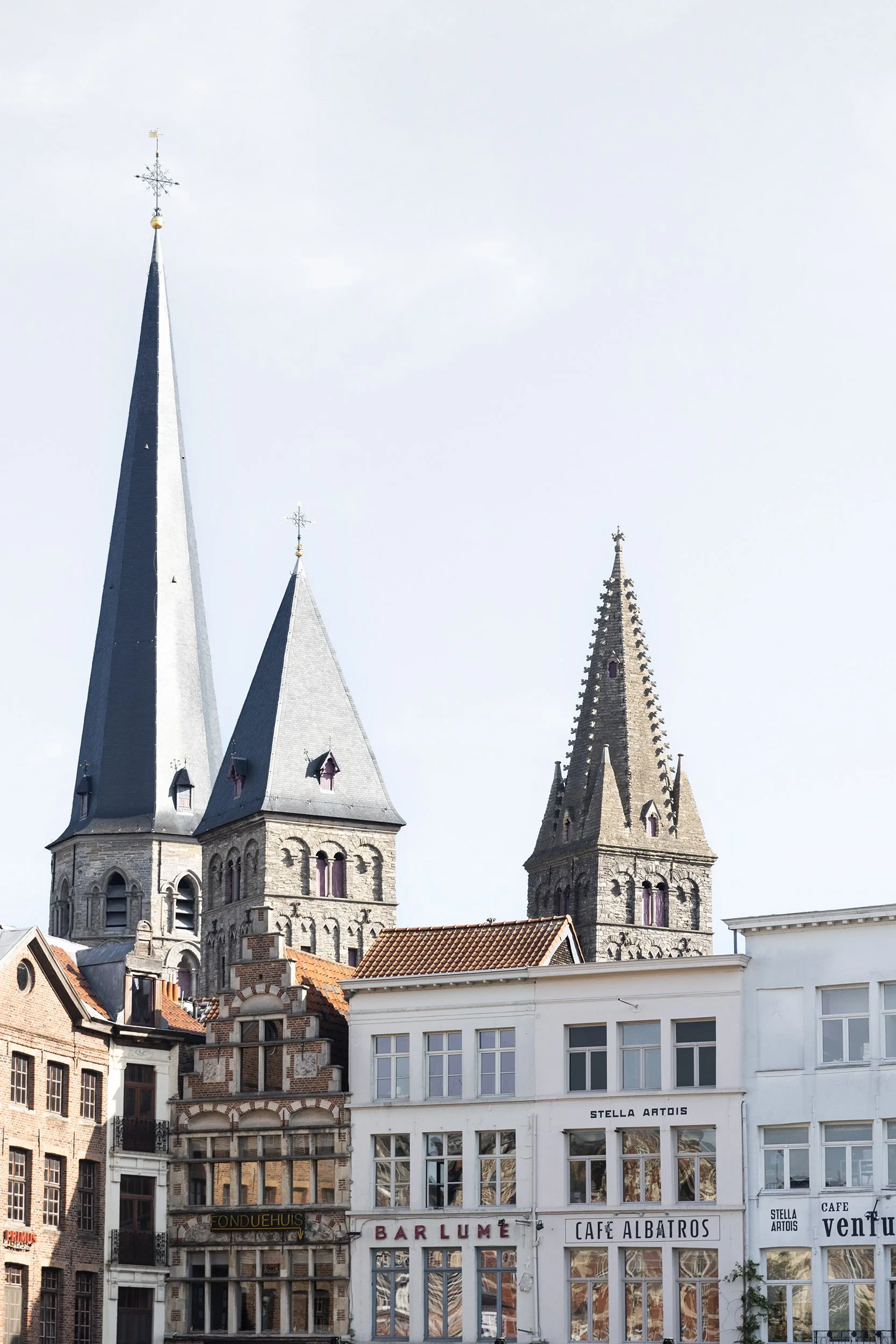
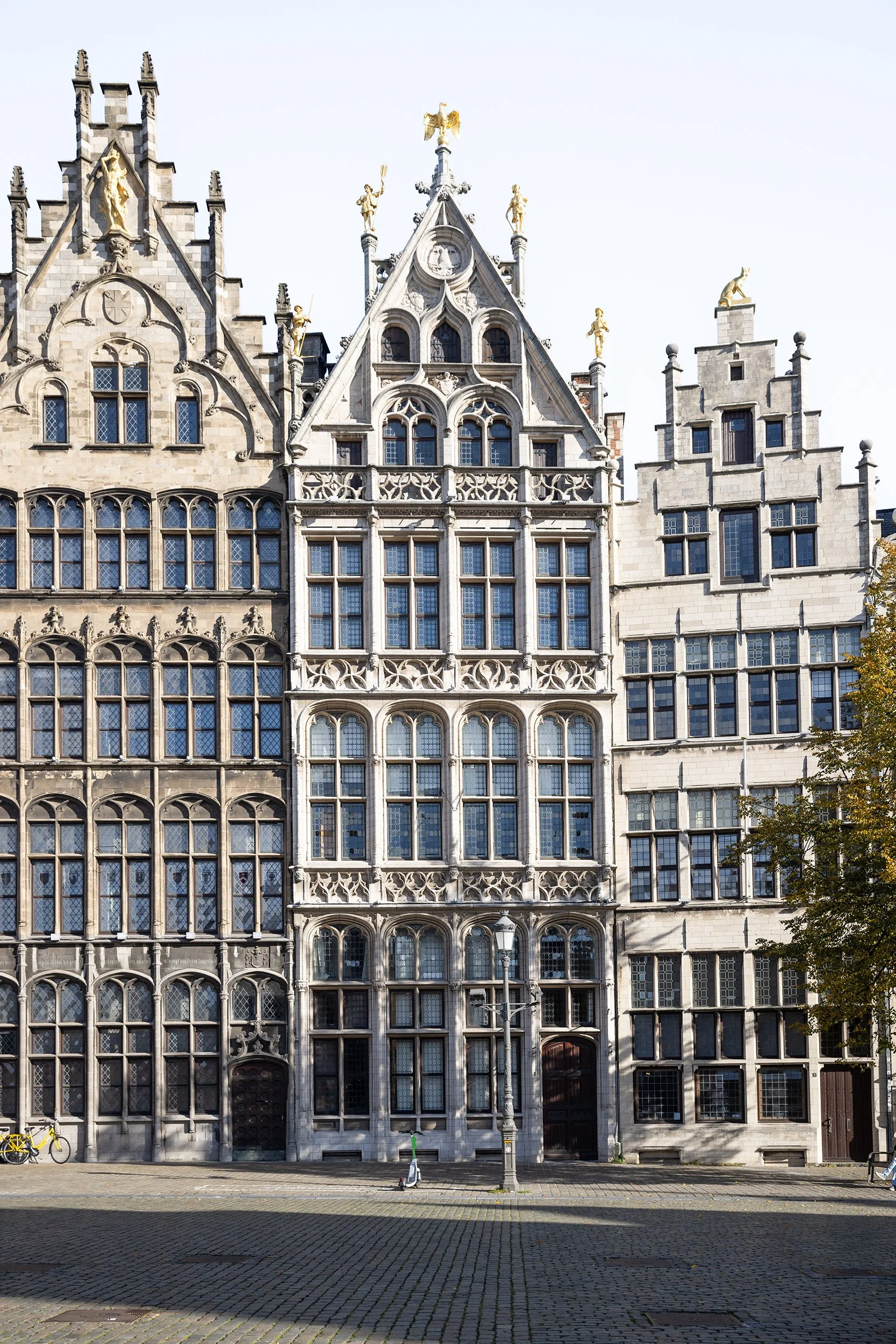
1. Buildings in the Graslei, a historic, pedestrianized quay in Ghent | 2. Historic building in Botermarkt square | 3. Decorative doorway with a small statue of Saint Veerlepleinon, located in St. Veerleplein square | 4. The towers of St. Nicholas' Church (left) and the Belfry of Ghent (right) near the Korenmarkt city square
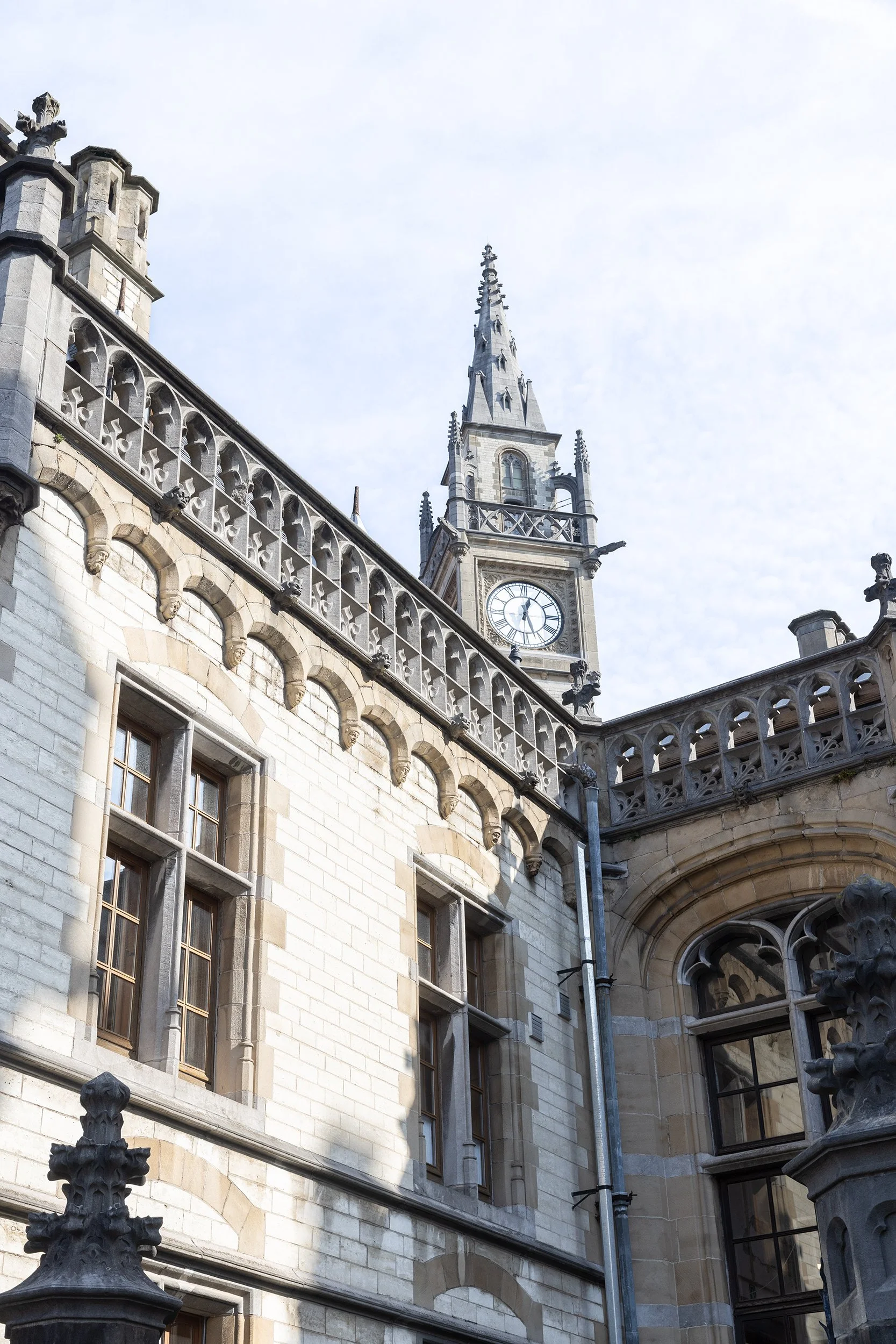
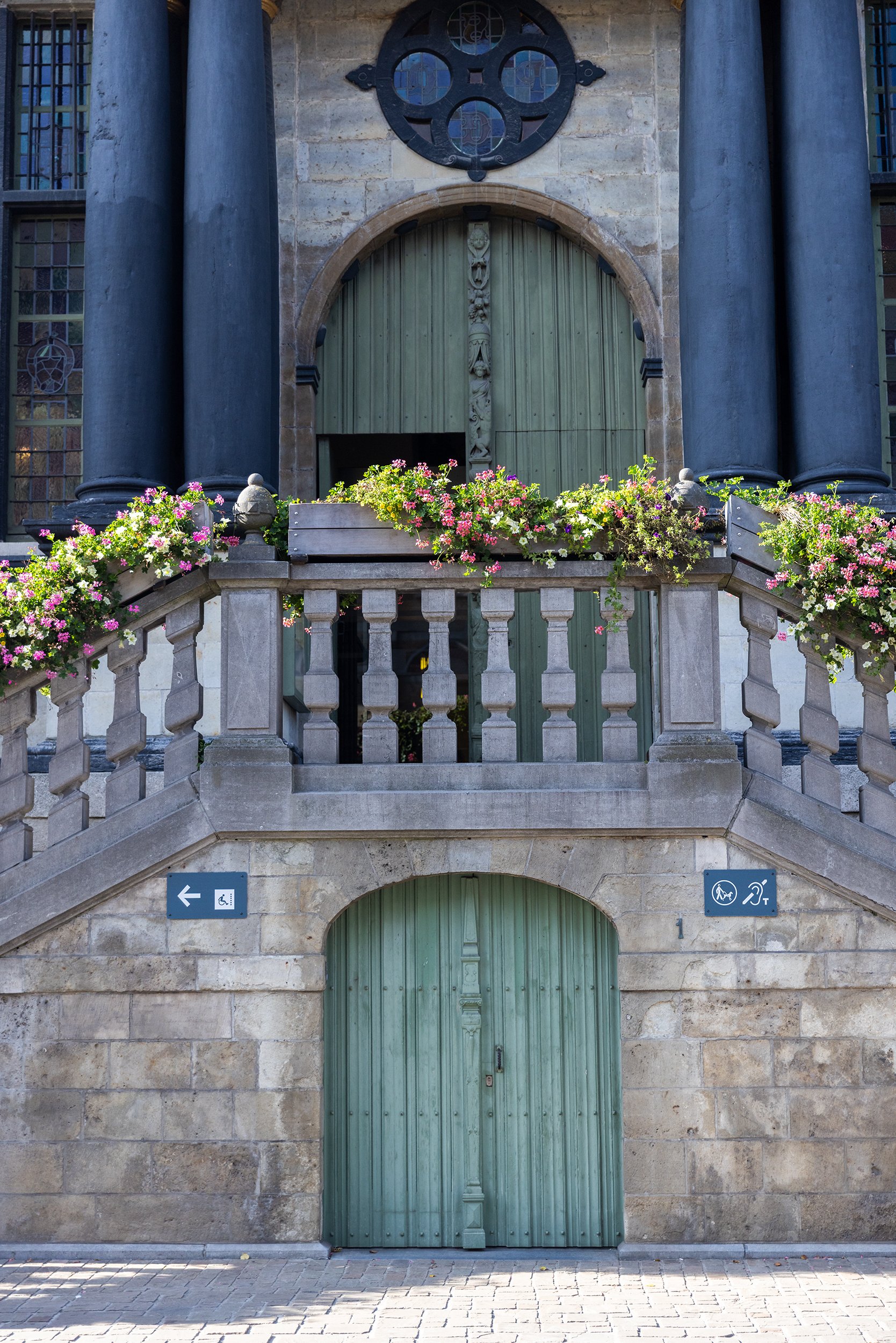
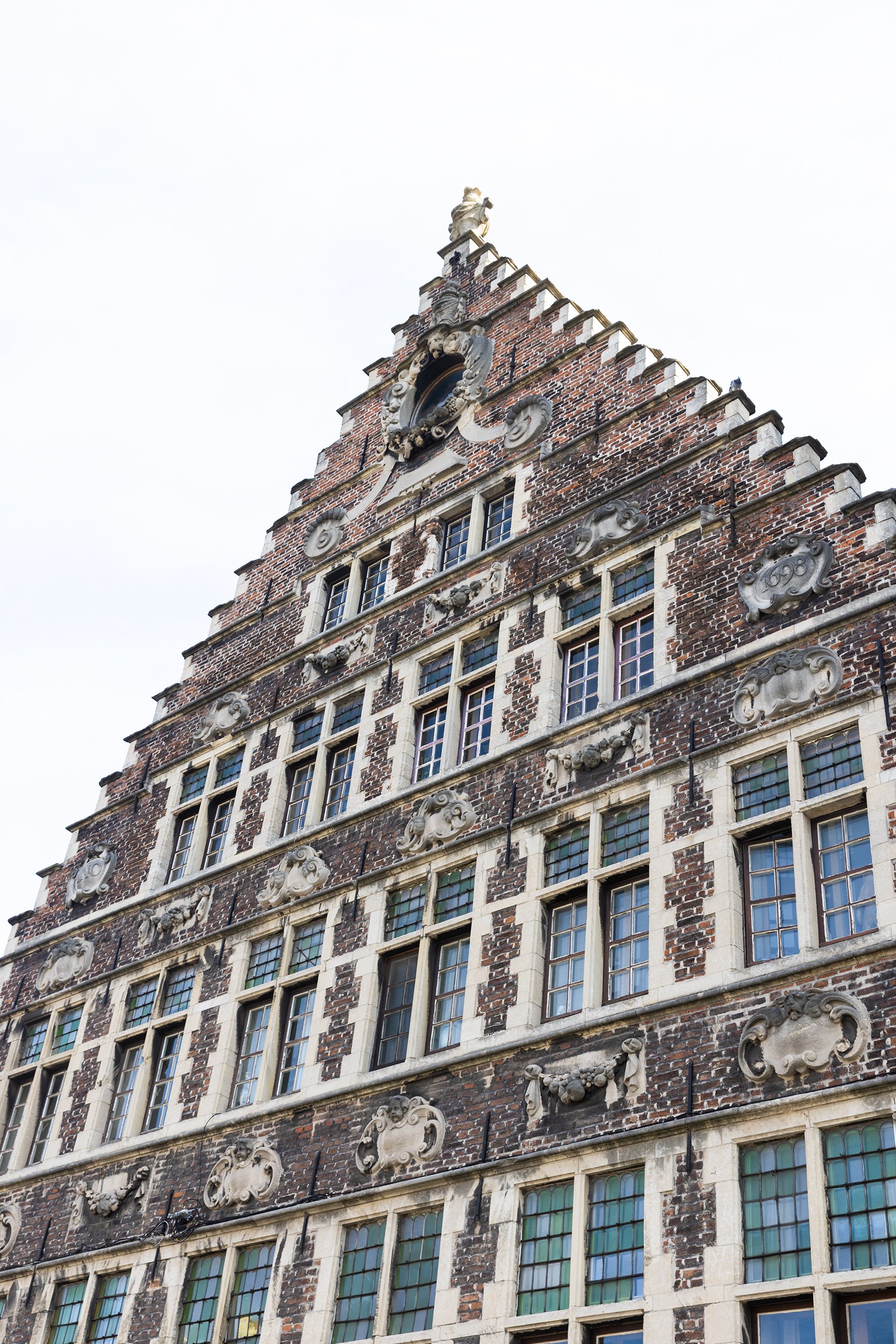
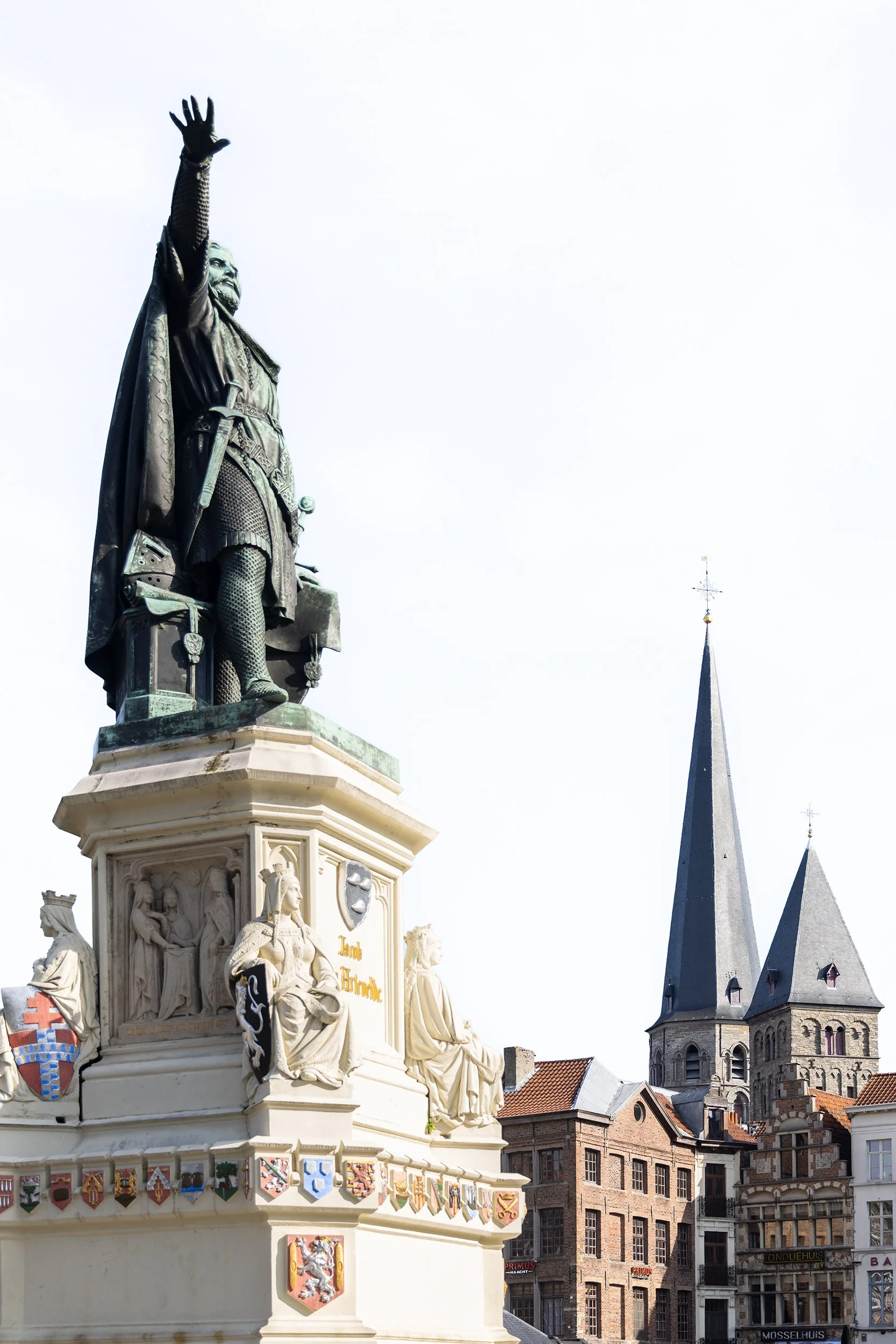
1. The Belfry of Ghent | 2. Entrance to Ghent Town Hall | 3. Gildehuis van de Korenmeters (Grain Measurers' Guildhouse), often referred to as the Korenstapelhuis, located at Graslei 12 along the Leie River | 4. Statue of Jacob van Artevelde
GRAVENSTEEN CASTLE
Gravensteen, or "Castle of the Counts," is Ghent's imposing medieval fortress built in 1180 by Count Philip of Alsace. The design reflects influences from Crusader castles, with thick stone walls, a central keep, and defensive towers encircled by a moat. It served as the residence of the Counts of Flanders until the mid-14th century, functioning as both a home and a symbol of authority over Ghent's merchant population.
After the counts departed, the castle underwent various transformations - serving as a courthouse, prison, mint, and even a cotton mill during the Industrial Revolution. By the late 1800s it had fallen into severe disrepair and narrowly escaped demolition. The city purchased and restored it between 1893 and 1907. Today, visitors can explore the castle's ramparts, climb the keep for views over the city, and tour exhibits that include medieval weapons and torture devices from its time as a prison.
SINT-MICHIELSBRUG (SAINT MICHAEL’S BRIDGE)
St. Michael's Bridge) is one of Ghent's most iconic viewpoints, offering sweeping views of the medieval skyline. From this central bridge spanning the Leie River, you can see the three towers that define the city - Sint-Niklaaskerk, the Belfry, and Saint Bavo's Cathedral.
WERREGARENSTRAAT (GRAFFITI STREET)
A narrow alleyway that's become Ghent's official canvas for street art. The walls are constantly evolving with new layers of color, tags, and murals. It's a vibrant contrast to the medieval architecture around it.
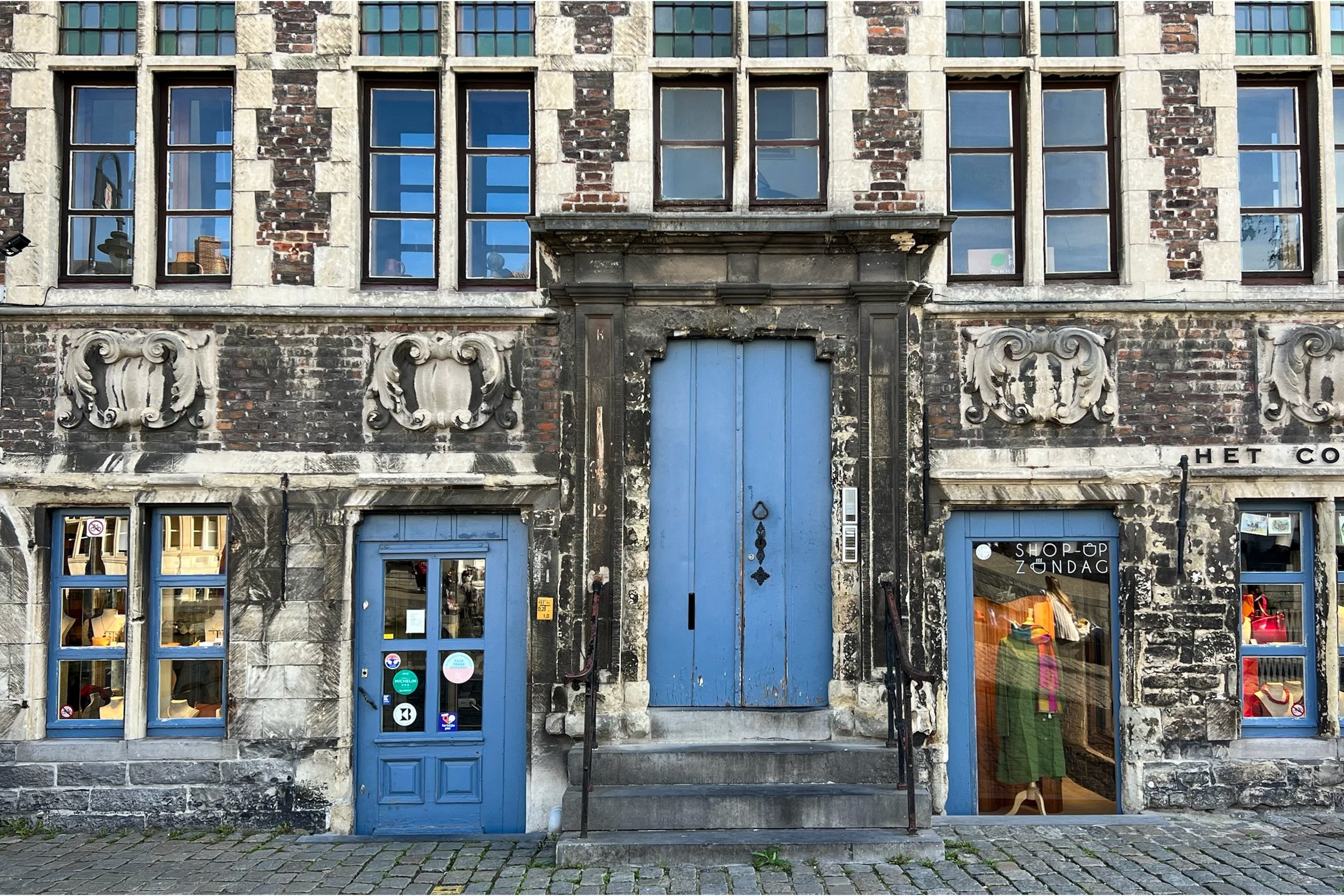
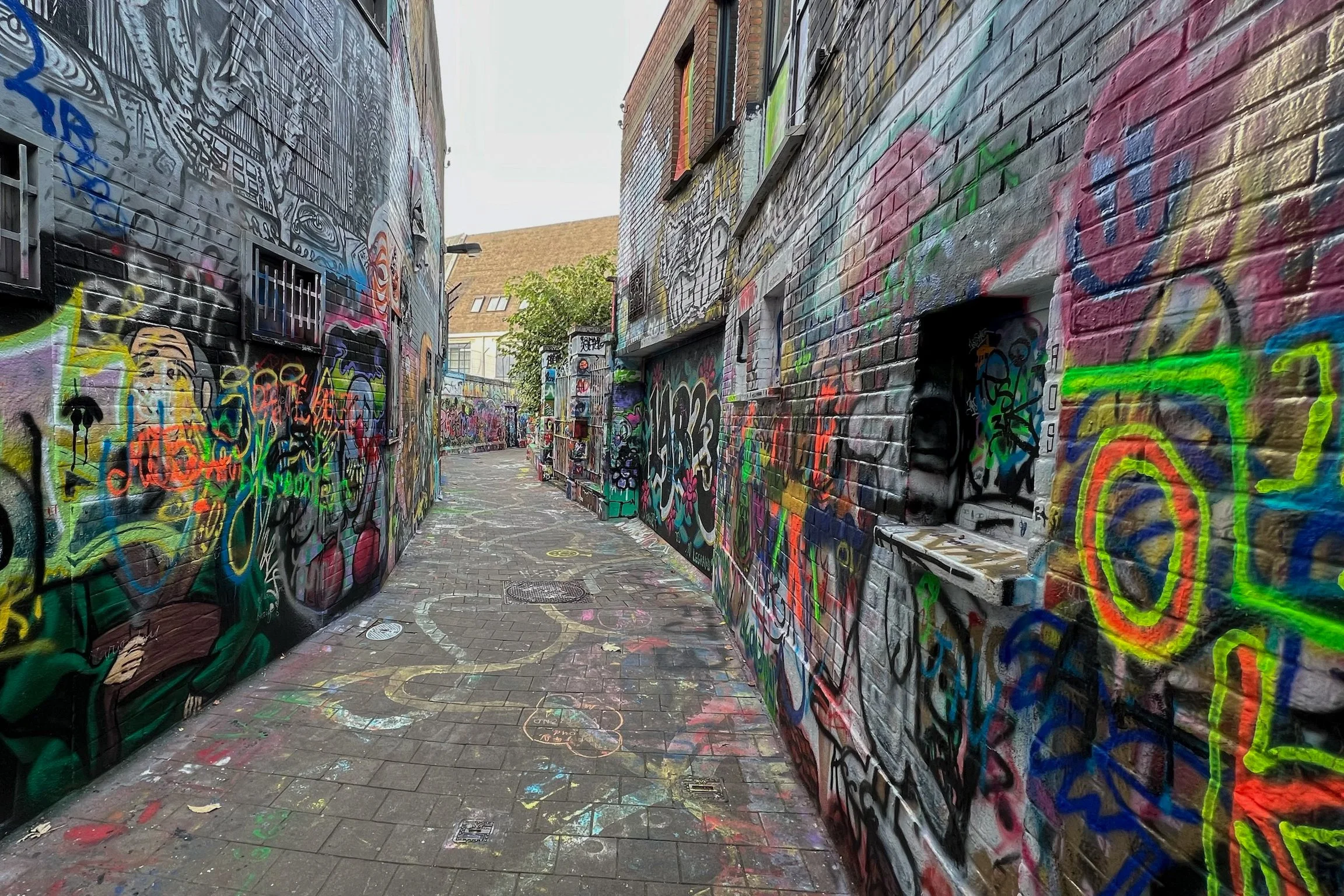
1. Het Cooremetershuys specialty shop, at the historic Graslei - the name, which translates to “House of the Grain Measurers”, refers to the original function of the building where officials had to measure the amount of grain that was unloaded at the port of Ghent - photo by Laura Woodard | 2. Werregarenstraat (Graffiti Street) - photo by Laura Woodard
PLANNING YOUR VISIT
DINING & DRINKS
Cafe ‘t Galgenhuis
18th-century traditional pub and also the smallest café in Ghent - since 1776. Stop by for a beer on the terrace.
Location: Groentenmarkt 5
Otomat Gent
While pizza might seem like an odd choice in Belgium, this Belgian-style pizzeria had strong reviews - and the pizza delivered. The crust is made with Duvel beer yeast in the pizza dough.
Location: Kleine Vismarkt 3
TOURISM INFORMATION
Visit Gent
A handy PDF map of Ghent can be downloaded here.
Location: Sint-Veerleplein 5
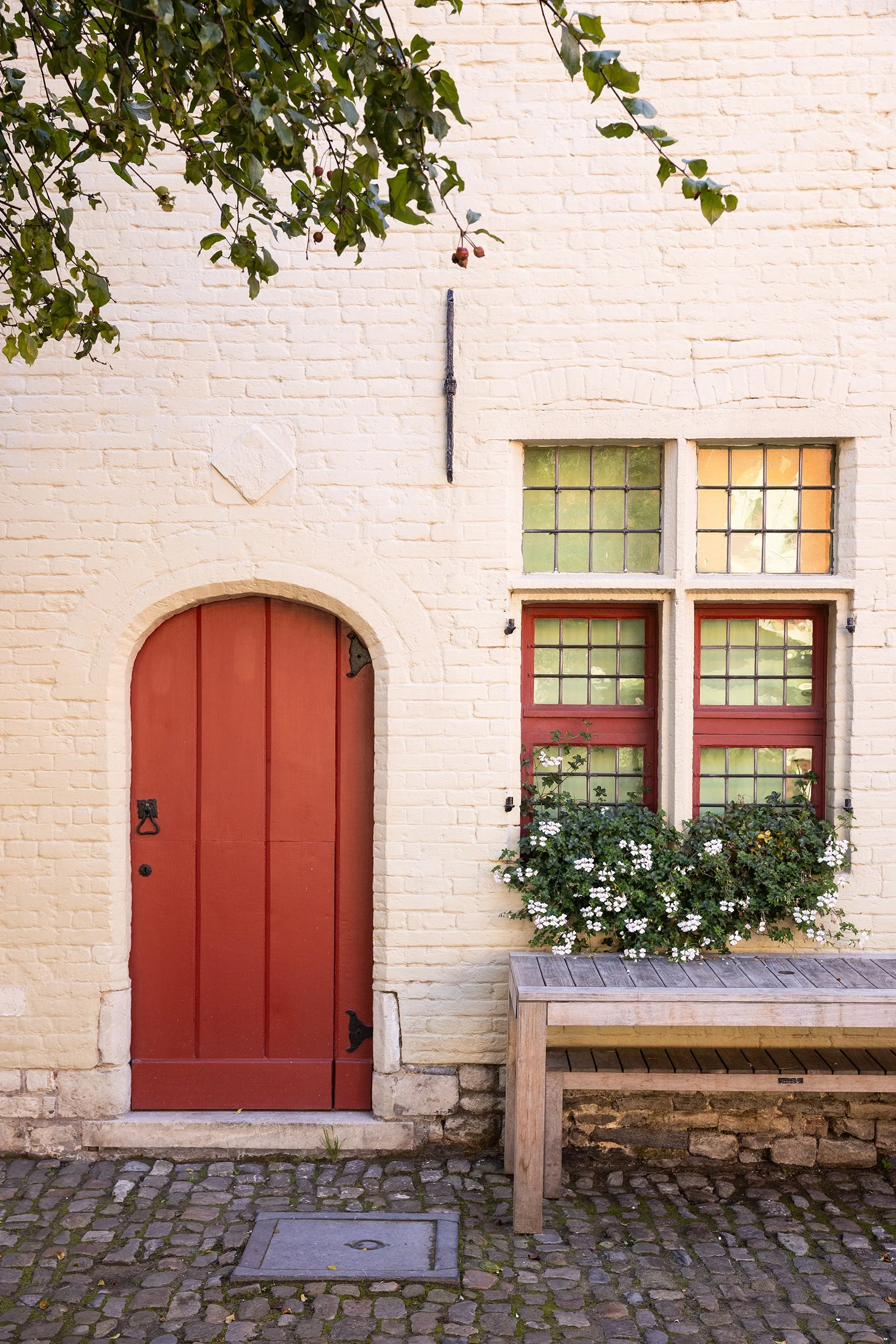
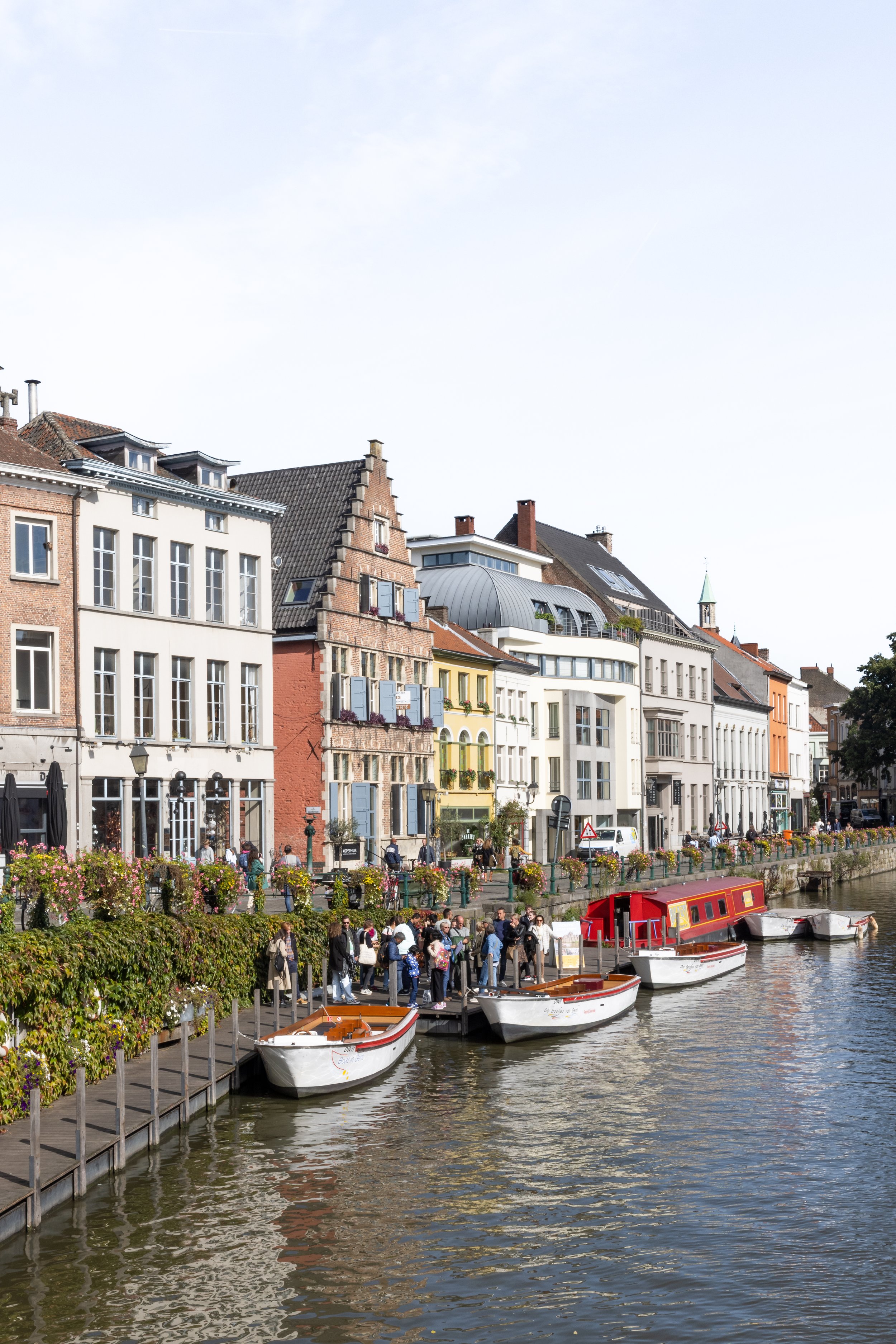
1. Huis van Alijn, a museum of daily life that showcases the cultural heritage, located in a former 14th-century children's hospital | 2. Kraanlei on the Leie River | 3. Kraanlei waterfront | 4. Building on Rodekoningstraat
HOW TO GET HERE
From Bruges: Via Belgian Railways (NMBS/SNCB) Inter-city (IC) trains to Gand-Saint-Pierre station, roughly 45 minutes
From Antwerp: Via Belgian Railways (NMBS/SNCB) Inter-city (IC) trains from Anvers-Central to Gand-Dampoort station, roughly 45 minutes
From Brussels: Via Belgian Railways (NMBS/SNCB) Inter-city (IC) trains from Bruxelles-Central to Gand-Saint-Pierre station, roughly 35 minutes
WHAT PHOTOGRAPHY GEAR DO I USE?
Most images in this post were shot with the Canon EOS R5 Mirrorless Camera, with the Canon RF 24-70mm f/2.8 L IS USM lens. I carry a Tom Bihn backpack with a Tenba BYOB 10 Camera Insert when traveling for vacation. On larger commercial projects, I also use a Think Tank Photo Airport Roller Derby for hauling additional lenses, batteries, filters, a backup Canon EOS 5D Mark IV DSLR Camera, a 15” MacBook Pro, and external hard drives. I also own a DJI Mavic Pro Drone.


View from the Belfry, Ghent, Belgium